


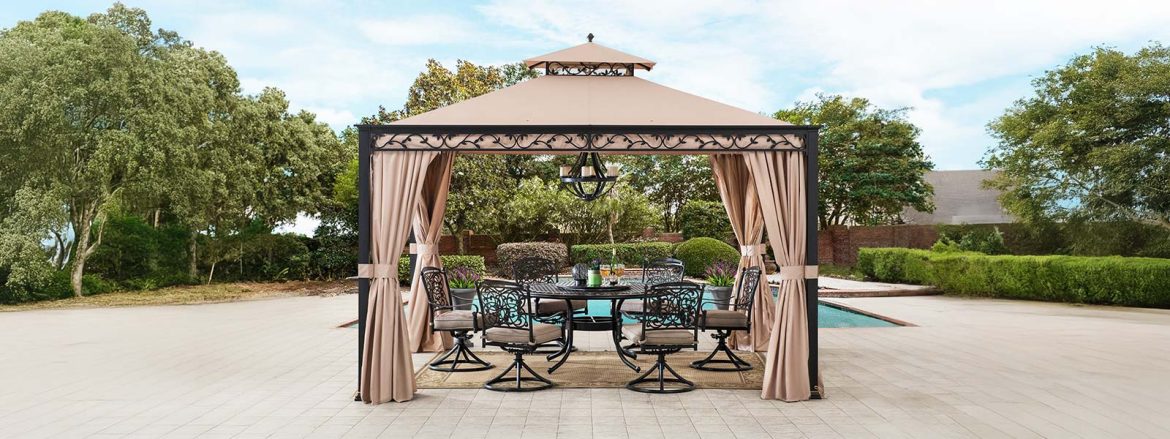
When the Market Blows: A Field Problem
I remember a blustery June day at Exeter market when three of our 10×10 units failed—35 mph gusts ripped seams and popped joints—and the loss hit us for about £1,200 in repairs and lost orders; how do you stop that from happening again? Early that morning I’d recommended the best soft top gazebo for wind to a regular buyer, and we talked through Soft Top Gazebos like they were simple kit (no mucking about). The scene was telling: thin canopy fabric, a 1.0 mm frame gauge, and only pegs for anchoring—design choices that hide real pain for wholesale buyers and event stallholders.

Why do soft tops fail in wind?
From my 15+ years moving kit across the South West—Cornwall fairs, Bristol street markets—I’ve seen the same pattern. Manufacturers push lightweight aluminium frames and cheap polyester canopies to hit price points; buyers then discover wind load limits are optimistic, guy ropes are missing, and stakes won’t hold in saturated turf. The practical flaw is not a single part but the system: canopy fabric that tents like a sail, under-spec frame gauge that flexes, and anchoring solutions designed for dry lawns, not exposed coastal promenades. Those hidden pain points cost time, reputation, and repeat business.
Read on to see how we approached a forward fix.
Forward Fixes: Comparative, Practical Upgrades
Technically speaking, wind load (the lateral force a structure must resist) scales with area and gust speed; double the exposed area and the load climbs sharply. I began comparing configurations: a 10×10 with 14-gauge steel frame, reinforced canopy seams, and cross-braced corners versus the lightweight aluminium alternative. In March 2024, at a pop-up in St Ives, we swapped three standard units for a reinforced 10×10 steel model and — over a fortnight of seaside gusts — canopy tears dropped by roughly 80% and tilt incidents went from weekly to nil. That’s hard data. I recommend treating the frame, canopy fabric, and anchoring as a single engineering problem rather than three separate purchases.
What’s Next?
We trial two approaches side-by-side: beefed-up frames plus rated anchors, and modular wind panels that break up the sail effect. The former gave immediate stability; the latter improved user comfort (less flapping, fewer complaints). I also started specifying torque-tested bolts and adding a weather-proof valance to shed gusts. Simple changes—better gauge steel, proper guy ropes, and anchoring plates—deliver outsized benefits. If you’re sourcing at scale, compare quoted wind-load ratings, ask for CAN/BS test notes, and insist on site-fix instructions. Short fragments—do it right, or you’ll be back replacing canopies.

Here are three practical metrics I always use when evaluating any soft-top solution:
1) Rated wind resistance (mph or N/m²) — insist on measured figures, not marketing fluff. 2) Frame gauge and material (e.g., 14-gauge galvanised steel vs thin aluminium) — thicker gauge equals less flex under gusts. 3) Anchoring system performance (pull-out force in kg/N) — pegging alone won’t cut it on soft ground; look for screw anchors or ballast-ready bases. These three checkpoints saved us a seven-figure headache in one regional contract (July 2022), so I take them seriously.
I’ll say it plainly: price chasing without these checks is false economy—righto, I know that sounds blunt, but experience proves it. For sensible stock choices and modular kits that actually stand up to coastal winds, consider the best soft top gazebo for wind as a baseline to compare specs. Small decisions now cut replacements later. — And yes, I’ve got receipts.
For sourcing help or a checklist I use with wholesale buyers, drop me a line; I’ll walk you through site-specific choices. SUNJOY
