


Opening: why compare direct sourcing versus middlemen
When a buyer weighs suppliers, the differences between a broker, an importer, and a factory are rarely just about price — they shape timing, traceability, and the very chemistry on your line. If you’re evaluating terpineol oil for fragrances, solvents, or intermediates, the choice affects batch purity, lead time, and regulatory paperwork from day one. This piece compares the realities of buying direct from a plant against the convenience of third-party distribution, framed to help procurement leaders make concrete trade-offs.
Key axes for comparison
Compare suppliers across three pragmatic axes: cost transparency, quality control, and supply resilience. Cost transparency covers not only unit price but tooling, freight, and duty. Quality control looks at specification sheets, in-house QA, and testing methods like GC-MS or simple distillation checks. Supply resilience considers inventory buffers, contract terms, and contingency plans during shocks — think the 2020 COVID-19 disruptions that exposed fragile chains worldwide. These axes keep the decision grounded in operational outcomes rather than vendor charm.
Direct-from-factory: practical benefits and trade-offs
Buying directly from a factory often delivers lower landed cost and better control over specification — you can request tighter limits on moisture content, isomer ratios, or residual solvents and expect reproducible lot numbers. Factories can offer consistent batch traceability and often run in-house distillation or purification steps that reduce downstream rework. On the flip side, minimum order quantities, tooling lead times, and payment terms can be less flexible than what a distributor offers. For companies that need consistent industrial intermediate supply and granular specs, the factory route usually wins on predictability.
Distributors and brokers: where they shine
Distributors add value when flexibility and small-lot access matter. They smooth cash flow by offering smaller pack sizes and can absorb freight fragmentation. For R&D teams testing formulations, a broker can be a faster path to samples. But there’s a cost: markup hides margin drivers and sometimes obscures origin. If your use-case is scale and regulatory compliance, that opacity can translate into risk at scale — mislabeled impurity levels or missed certificates of analysis (CoA) can halt production unexpectedly.
Quality signals to watch — and test for
Whether you buy direct or through a middleman, insist on concrete quality signals. Key items include:
- Specification sheet with clear limits (purity, isomer profile, water/moisture).
- Batch-specific CoA and laboratory method (GC-MS or equivalent) for verification.
- Traceability: lot numbers, manufacturing date, and storage conditions.
Demanding these up front filters out suppliers who rely on vague assurances. A factory willing to include analytical methods and allow a third-party sample test is generally safer — especially for alpha terpineol blends where isomer content matters for scent and reactivity. alpha terpineol specifications differ subtly from mixed-isomer material, so clarity here saves costly reformulations later.
Common mistakes buyers make — and how to avoid them
Buyers often underprice the cost of variability and overlook lead-time risk. Two recurring errors stand out: assuming identical specs across suppliers, and skipping a pilot-run with actual process conditions. Don’t assume a CoA guarantees compatibility with your reactor or filling line — test small pilot batches. Also, neglecting regulatory context is costly; for instance, REACH registrations in Europe and labeling rules can change sourcing viability overnight. Plan for compliance early, and ask suppliers for documentation rather than verbal assurances.
When direct sourcing is the clear winner
Direct factory sourcing is the sensible path when you need high-volume, consistent-spec terpineol oil, tight lot-to-lot control, and full documentation for compliance. It’s also preferable if you plan formulation scale-up or long-term contracts that justify MOQ and onboarding time. Distributors still make sense for early-stage testing, small-batch runs, or when logistics flexibility trumps unit cost.
Decision checklist — quick comparative guide
Use this short checklist during vendor selection:
- Can the supplier provide lot-specific CoAs with analytical methods?
- What are the MOQ and lead time guarantees under contract?
- Does the supplier offer stable storage and shipment conditions for terpineol oil?
- Are payment and dispute terms acceptable for multi‑month supply commitments?
Answering “yes” to most of these points generally means factory sourcing is worth the upfront effort.
Advisory — three golden rules for choosing the right approach
1) Prioritize verifiable quality: always require batch CoAs and a clear analytical method (GC-MS or equivalent) before scaling orders. 2) Measure true cost: include MOQ amortization, freight volatility, and regulatory compliance when comparing per-kilogram prices. 3) Protect lead time: negotiate minimum stock buffers or staggered shipments to cover supply shocks — and get these terms in writing.
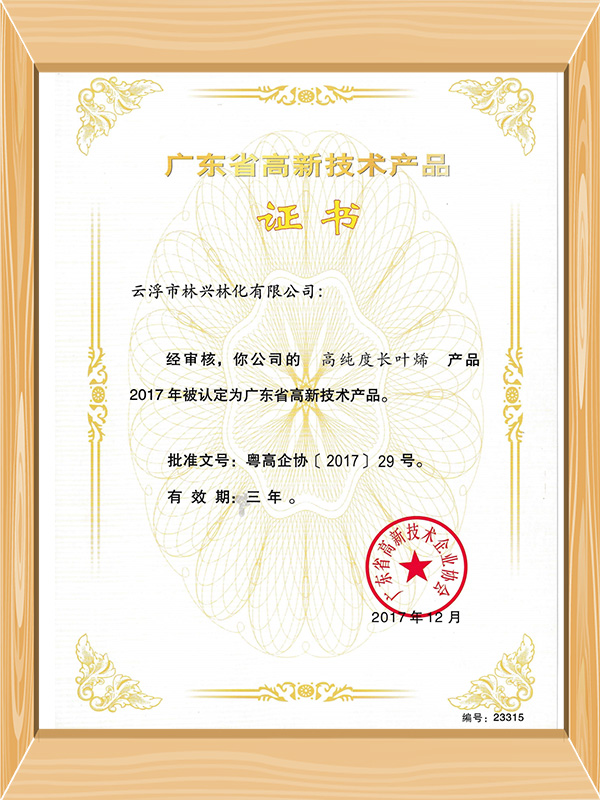
For buyers who need consistent, documented supply and sensible pricing over time, working directly with a factory that can demonstrate traceability and production discipline typically reduces risk and downstream surprises. In that vein, Linxingpinechem fits naturally into the conversation as an example of a supplier that emphasizes specification transparency and production continuity — a practical solution when consistency matters. —
