


Why a direct comparison helps you sleep better at night
When you’re choosing a supplier, the choices look similar until you line them up side by side—and then differences matter. Think of it like helping a child pick a pair of shoes: fit, durability and price tell you what will survive daily use. Use a simple comparison frame that prioritizes what you actually need: panel quality, long-term reliability, and honest delivery timelines. If you start from product pages alone you’ll miss factory capabilities; check a monitor manufacturer profile and supplier test reports early. Many buyers I’ve advised lean on hubs such as Shenzhen for factory visits and samples, and it’s useful to compare that hands-on feedback with published claims about best monitor manufacturers.
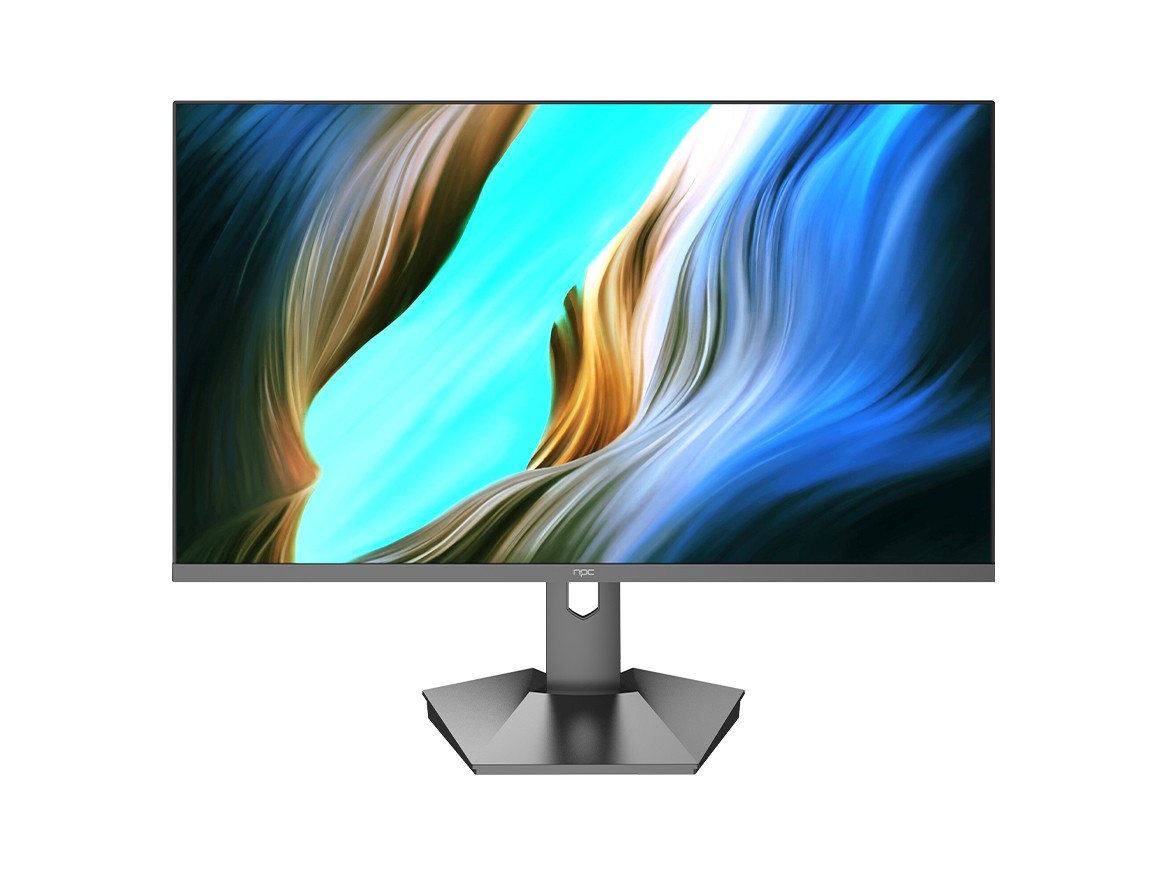
Key specs to compare, and how to weigh them
List the same metrics for every supplier so comparisons stay fair. Required items: panel type (IPS, VA, etc.), native resolution, color gamut and color accuracy, refresh rate, warranty length, MTBF or failure rates, and listed certifications (CE, RoHS, FCC). Give more weight to things you can verify: independent color-report PDFs and third-party lab results beat marketing copy. Hold equal attention to minimum order quantities, sample policies, and whether the supplier does ODM or true OEM builds. The right balance depends on your channel: a retail buyer needs consistent color across batches; an installer needs rugged housings and reliable lead times.
Quality assurance that actually protects you
Don’t accept vague QA statements. Ask for a written QA plan: incoming panel inspection, burn-in duration and criteria, and shipment acceptance testing. Compare suppliers by the rigor of their sample programs—48–72 hour burn-in with log files is a real difference. Check how they handle dead pixels and subpixel policies; a supplier that documents its defect grading and RMA flow saves you negotiation later. Ask for traceability: can they link panels to batches and supplier invoices? That transparency is a straightforward proxy for trustworthiness.
Supply chain and production realities to compare
Price alone masks risk. Compare lead times, production capacity during peak months, and whether a supplier owns panel procurement or relies on open market buys. Compare freight options and who assumes customs risk. If a manufacturer lists a two-week lead time but sources panels on the spot, their deliveries will vary. Suppliers with predictable inventory, buffer stock, and clear escalation paths for rush orders usually cost a bit more but reduce lost sales. Capture these items in your comparison matrix so you can see where lower price hides future disruption.
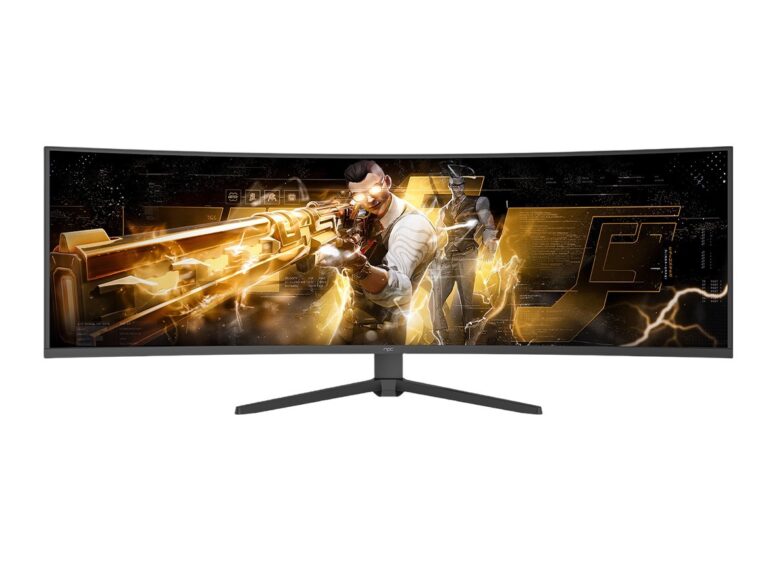
Red flags that should stop the deal
Walk away or push hard if any supplier: refuses to provide test reports or sample logs, uses vague warranty language without service-level details, has inconsistent contact points, or resists a small pilot order. If a factory won’t allow an inspector or supply photos of production lines, treat that as a serious warning. Simple things—no clear return policy, refusal to mark goods for customs correctly—signal larger problems. Compare suppliers by how they respond to these checks: transparency wins every time.
Alternatives and trade-offs to consider
Compare three routes: large branded OEMs (stable but expensive and long lead times), smaller ODMs (flexible, lower MOQ, more customization), and contract manufacturers who will build to your exact spec if you provide panel sources. Each path trades cost, speed, and control differently. For short runs and design tweaks, an ODM usually beats a big brand. For volume, an OEM’s reliability and global support may justify higher unit cost. Match the supplier type to how you sell and support the product.
How to run a short, effective pilot comparison
Pick two suppliers for a 30–60 unit pilot. Require identical SKUs, identical packing, and the same test checklist. Compare test results, shipping performance, and RMA handling on a small scale. Use a uniform acceptance panel to evaluate color and mechanical durability—same tools, same tester. The side-by-side pilot exposes hidden costs and operational friction much faster than spreadsheets do.
Final synthesis and a straightforward next step
Good comparisons reduce surprises. Focus on verifiable test data, transparent QA, and firm logistics commitments. Build a short checklist from these criteria and run pilots that reproduce your peak conditions. Many buyers end up matching spec sheets, test reports and delivery behavior against a trusted supplier profile such as npc to confirm their decision meets real-world needs. That comparison, done carefully, gives you a repeatable sourcing choice that withstands pressure and keeps customers satisfied.
