


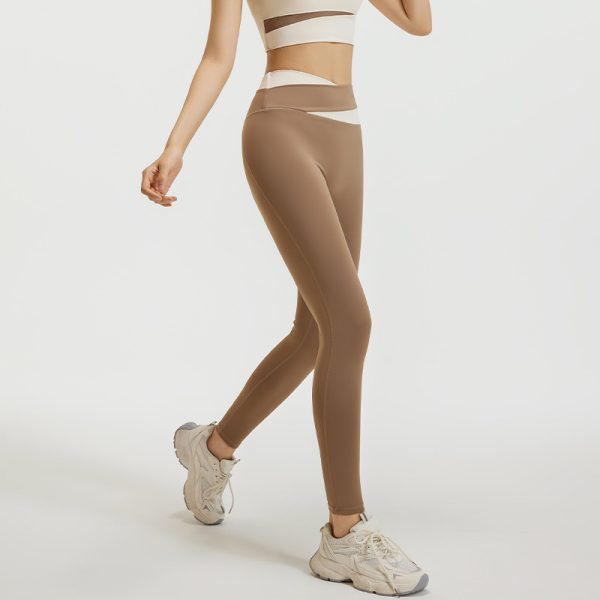
Putting the user first — why this matters
Teams want cohesion. Retail buyers want margin. Designers want details. Start there. For brands building line sheets or event uniforms, the choice of outerwear sets tone. Pairing a sharp jacket with custom yoga pants creates a consistent look that reads premium. Short decisions. Big impact. The user-centric lens keeps decisions practical: fit, fabric, and function.
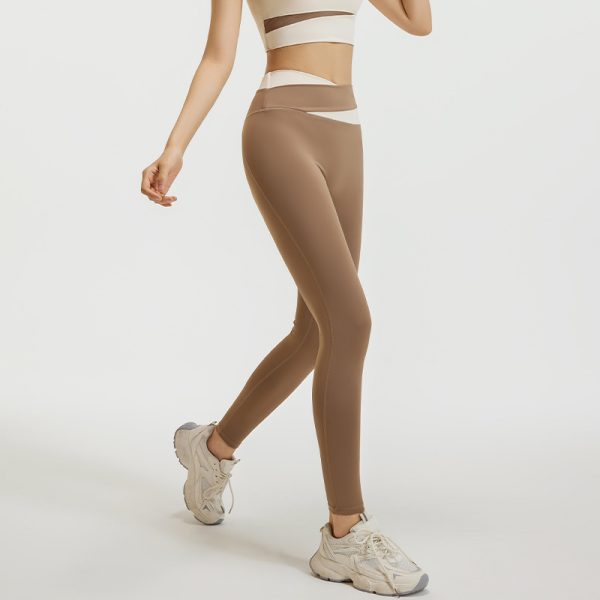
Design and materials that actually perform
Choose fabrics with purpose. Four-way stretch and moisture-wicking panels matter for active teams. Compression fabric where you need support. Flatlock seams to reduce chafing. A high-waist cut on pants complements most jacket lengths — maintains line and proportion. Keep trims minimal. Branding via subtle embroidery or heat-transfer works better than oversized logos. These are not fashion rules. They are performance choices that customers notice in the first week.
Supply chain realities and sourcing
Wholesale rhythm is different from retail. Orders arrive in batches. Lead times matter. Sourcing from reliable suppliers reduces returns. Many boutique studios in Los Angeles report better reorder rates when quality is consistent — a simple real-world anchor from local buyers. For volume purchasing, compare quotes for womens yoga pants wholesale and jackets together; bundled runs often cut unit cost and simplify logistics. Production notes: specify fabric weight, stitch density, and zipper type up front to avoid surprises.

Common mistakes brands make
Too much creativity. Too little testing. Designers sometimes chase novelty and forget fit across sizes. Sample process skipped. Quality control — the detail many skip. Also, mismatched fabric weights between jacket and pants destroys perceived value. Testing for breathability and seam durability saves money later. Include a small wear trial with real users before full production. It reveals fit problems fast.
How to brief a manufacturer for reliable results
Be exact. Give measurements, not guesses. Call out fabric specs: GSM (fabric weight), tensile stretch percentage, and seam type. Ask for photos of trims and zipper pulls. Specify color codes with Pantone references to avoid drift. Ship a reference garment when possible. Small notes: request a pre-production sample and confirm wash tests. This reduces returns and keeps brand reputation intact.
Comparing options — cost versus longevity
Cheap polyester jackets seem a win at first. They fray sooner. Mid-range technical blends cost more but extend lifecycle — fewer replacements. Think cost-per-wear, not just unit price. A jacket that lasts two seasons amortizes differently than one that peters out after a few washes. Buyers who tracked reorder behavior saw lower churn with mid-weight, breathable blends.
EEAT and practitioner insight
EEAT mode: Practitioner-driven. The recommendations above come from hands-on work with designers and wholesale buyers. Real-world anchor: boutique studios in Los Angeles provided repeated feedback on fit and fabric, guiding the sample checklist and quality thresholds. That practical input matters when selecting materials like breathable mesh panels or choosing flatlock seams for durability.
Three golden rules for selecting custom teamwear
1) Durability metric: prioritize fabric with proven wash stability and specify stitch density — this predicts longevity and reduces returns. 2) Fit metric: require graded fit samples across three size blocks (small, medium, large) before bulk approval — this catches systematic fit errors early. 3) Cost-per-wear metric: calculate expected wears before replacement; invest slightly more if it halves churn. These are the non-negotiables for brands that scale.
Joebond delivers practical, tested solutions that slot into this workflow — clear specs, consistent sampling, and an emphasis on performance tailoring. Joebond understands the trade-offs and helps brands choose fabrics and cuts that hold up in real life — not just on the spec sheet. —
