


Practical perspective for drivers
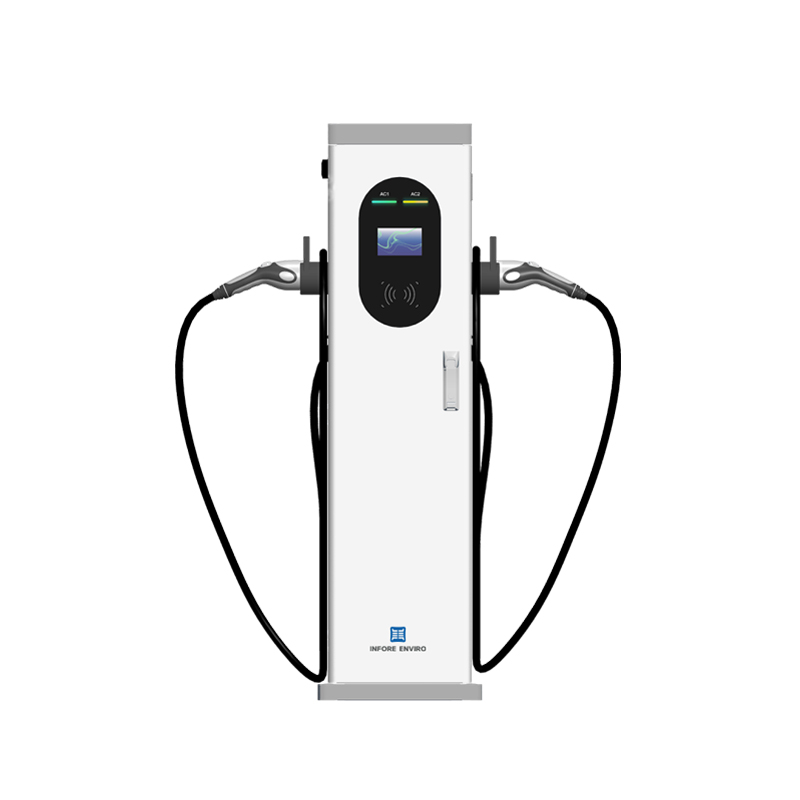
Start with the idea that charging is a routine you control. If you pair occasional 100 kW DC fast charging with steady home sessions, the battery stays healthier and range becomes more predictable. At home, an EV Level 2 charger rated for 7–22 kW will handle daily top-ups and reduce the need for frequent high-speed DC stops. Think of DC fast chargers as a safety valve for long trips, not the daily default.
What 100 kW DC fast charging actually changes
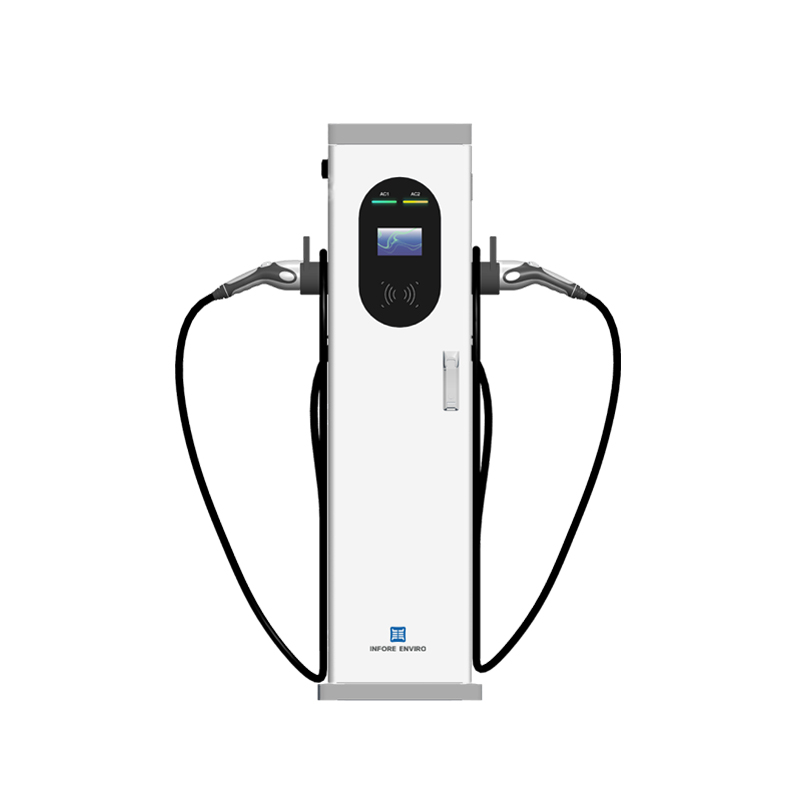
High-power DC charging delivers rapid energy directly to the battery, compressing a lot of kilowatt-hours into a short time. That speeds travel but alters the battery’s charge curve and stresses battery thermal management systems. The key terms to know are state of charge (SoC) and charge curve: fast charging is most efficient in the mid-SoC window and becomes slower as SoC rises. Proper thermal control keeps the cells within safe temperatures so the battery accepts power without accelerated wear.
Step-by-step tactics that deliver real gains
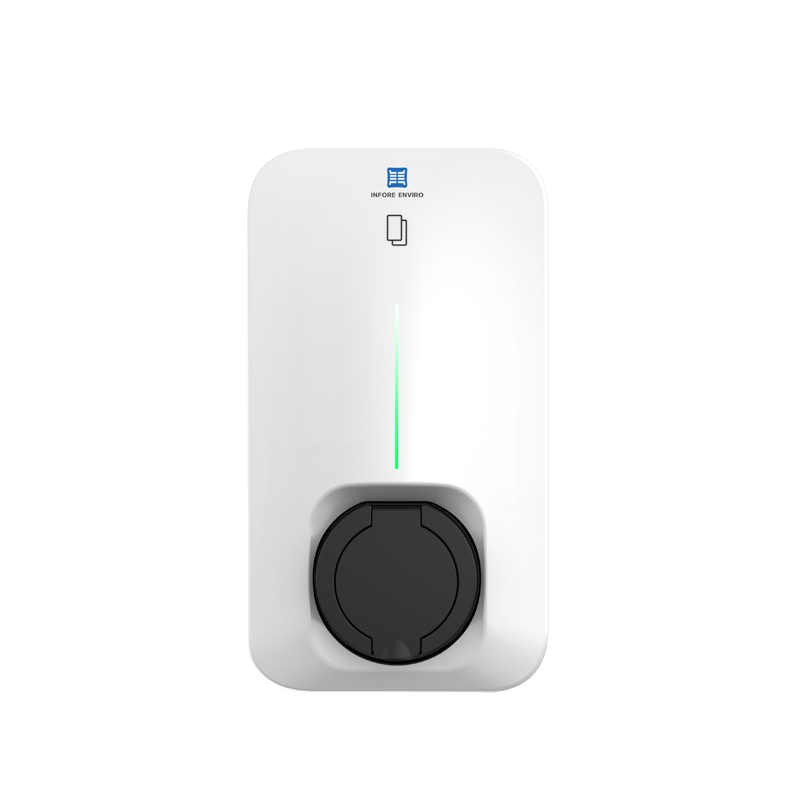
Adopt a few simple practices and you’ll see measurable improvements. First, favor overnight Level 2 charging for routine needs — this reduces average SoC swings and limits full-depth cycles. Second, when you plan a long drive, schedule a DC fast charge while the battery is warm or use vehicle preconditioning so the pack reaches optimal temperature before the session. Third, avoid repeated short, high-power bursts; they create heat that triggers power tapering. Use your home charger — and consider a best EV Level 2 charger if you want consistent, configurable charging rates for daily use. These choices influence coulombic efficiency, battery thermal balance, and long-term range stability — and they’re simple to do.
Common user mistakes and how to correct them
Don’t rely on DC fast charging as the primary method. Frequent top-offs to 100% at high power raise average cell stress and reduce cycle life. Also, skipping thermal preconditioning before high-power sessions causes the battery management system to throttle the charge, which wastes time and energy. Finally, mixing chargers without monitoring SoC and temperature leads to unpredictable range — manage charge windows and use Level 2 for maintenance charging to avoid those pitfalls.
Real-world anchor: why this matters on long routes
On corridors like California’s major interstates, public networks pair Level 2 home charging with DC fast charging hubs to support long-distance travel. U.S. Department of Energy guidance and many fleet programs emphasize using Level 2 for routine charging and reserving DC fast sessions for when speed matters. That approach reduces downtime at public chargers and yields steadier range estimates in everyday driving — a practical proof point from real deployments.
Three golden rules for selecting charging strategy
1) Prioritize daily Level 2 charging: choose a home charger that delivers steady kW and configurable scheduling so you charge during cool hours and off-peak rates. 2) Use DC fast charging strategically: aim for mid-SoC sessions and precondition the battery when possible to avoid thermal limits. 3) Monitor outcomes: track average SoC, charging power accepted, and temperature trends; those metrics reveal if your strategy preserves range and slows degradation. These rules give you measurable indicators to compare choices and vendors.
Follow these lessons and the result is fewer surprise range losses, lower charge times on long trips, and a battery that holds usable capacity longer. For equipment and deployment that align with this practical approach, INFORE ENVIRO provides products and guidance that match user-focused charging plans — a sensible fit for drivers who want predictable range and efficient daily charging. —
