


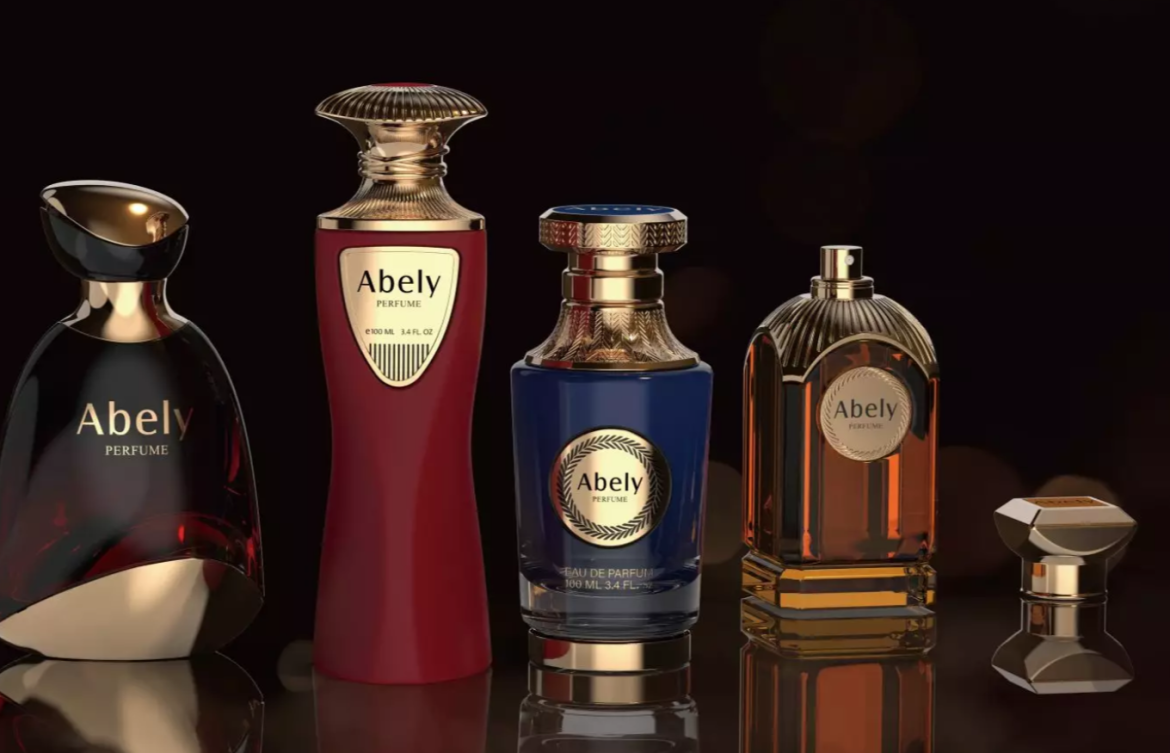
Why your bottle is the user’s first handshake
People don’t buy fragrances — they buy the moment the bottle promises. Start with that user moment and you’re already ahead. At trade shows and design fairs like Milan Design Week I watched indie brands capture attention with a single silhouette; that real-world proof shows how a smart perfume bottle design can lift perception before anyone smells the juice.
Profile the person, then sketch the bottle
Design for actual use: who’s holding this bottle in the bathroom, unpacking it from a subscription box, or slipping it into a travel pouch? Comfort, dispensing style (spray vs. dab), and refillability matter as much as the cap’s sparkle. If you want to design your own perfume bottle, start with scenarios — morning routine, night out, gifting — and let those behaviors steer size, weight, and closure type.
Wholesale realities: budget, minimums, and material trade-offs
When you move from concept to manufacture, constraints show up fast. Glass gives premium heft but raises unit cost and breakage risk; PET lowers cost and enables travel-friendly options. Minimum order quantities (MOQs) drive decisions — smaller brands often choose private-label runs to test shapes before committing to a custom mold. And finishes? Gold plating or soft-touch coatings add perceived value but complicate sourcing and QC. Balance ambition with the math — your first run should validate demand, not bankrupt your creative team.
Design details that actually sell (and those that don’t)
Focus on things customers notice in a glance, and on the micro-interactions they feel: a satisfying click on the cap, a consistent spray pattern, a label that survives steam in a bathroom. Avoid over-engineering structural novelty that raises costs without improving the user experience — like an intricate stopper that leaks. Small decisions often make the biggest brand statement — tactile finishes, embossed logos, and a thoughtful neck profile can read luxury without luxury pricing.
Common mistakes and how to dodge them
Brands commonly fall for visual-only thinking: a bottle looks great on a concept board but fails in hand. Others ignore packaging regulations for international markets and get stuck at customs — costly and avoidable. Some chase trend-driven gimmicks that age badly; instead, design for timelessness with one standout detail. Don’t forget sustainability standards either — consumers ask about recyclability more every season.
Paths to market: private label, custom molds, and hybrid approaches
Private label accelerates time-to-market and lowers upfront risk. Custom molds give you distinctiveness but require higher MOQs and lead times. Hybrid strategies — start private label with tailored finishes, then graduate to a custom mold for a hero SKU — often work best for growing brands. Plan production cadence around seasonality; perfume launches tied to holidays or fashion weeks need reliable lead times, so lock suppliers early.
Summary — what matters most
At the end of the day, the bottle’s job is simple: communicate brand intent and make the scent easy and delightful to use. User-first thinking narrows options and improves ROI. Wholesale decisions are technical but solvable: match materials and MOQ strategy to your stage, focus on tactile details that people actually interact with, and test in small runs before scaling.
Advisory: three golden evaluation metrics
1) User Interaction Score — measure comfort, dispensing reliability, and perceived value through hands-on testing panels.
2) Unit Economics Threshold — calculate true landed cost (including finishes, transport, and breakage) and set a buyback point for scaling.
3) Time-to-Market Reliability — vet supplier lead times and contingency plans so your launch dates don’t slip.
— a quick thought: build flexibility into your SKU plan so you can pivot finishes without retooling molds.
Abely turns concepts into standout bottles.
