


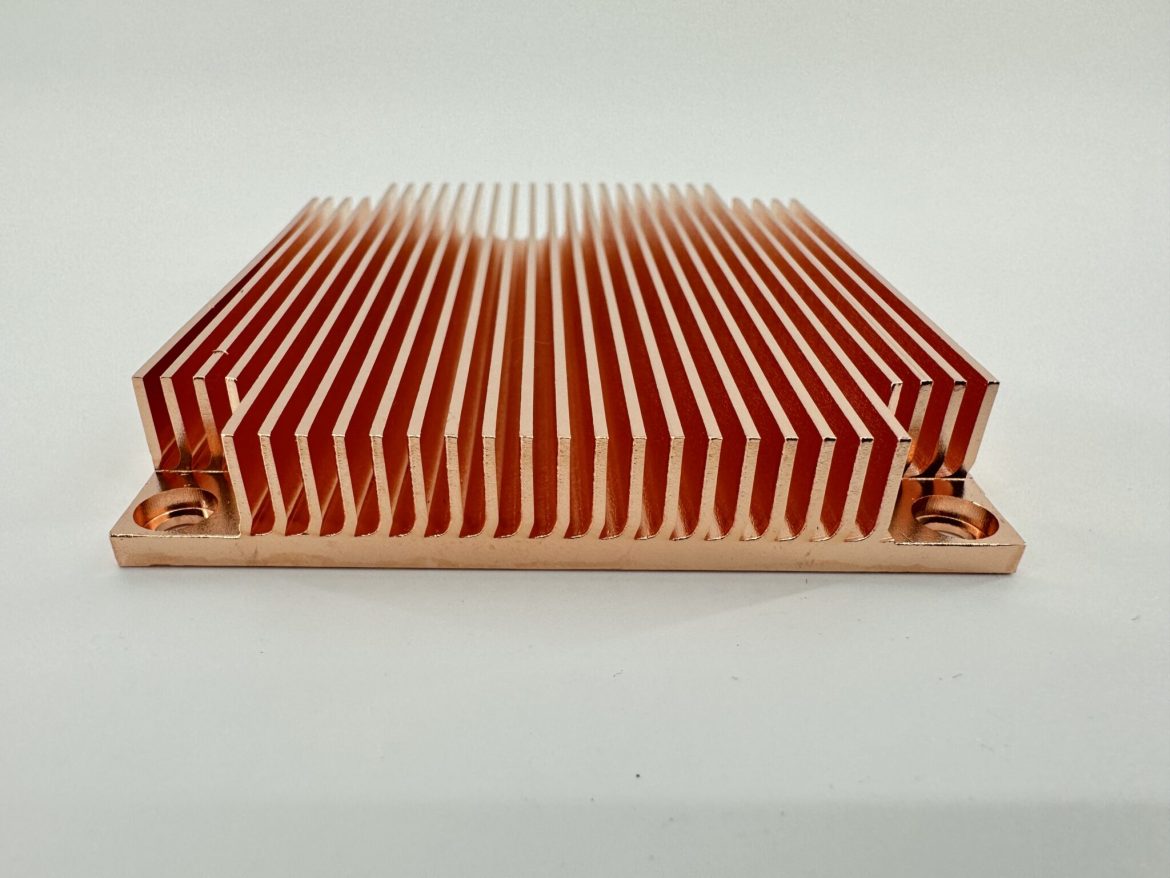
Have you ever experienced overheating devices during critical tasks? This frustration—common among both enthusiasts and professionals—often stems from insufficient thermal management. The emergence of the skived heatsink marks a significant turning point in cooling technologies. Traditional cooling solutions often fall short, leading to unreliable performance and shorter device lifespans. Thus, it beckons the question: How can advanced cooling solutions enhance operational efficiency?

Traditional Cooling Solutions and Their Limitations
Many of us have utilized standard heatsinks—often made of extruded metal—aimed at dissipating heat. However, these conventional solutions have inherent flaws. The inefficiency of heat transfer and bulky designs frequently result in inadequate cooling under heavy workloads. Furthermore, users may face challenges with weight distribution and mounting mechanisms. Therefore, the transition to advanced technologies is essential.
Principles Behind Skived Heatsinks
Skived heatsinks take a revolutionary approach, employing thinner fins meticulously crafted from a single piece of material. This innovative design facilitates better airflow and improved heat dissipation. The technology is especially beneficial in space-constrained environments where efficiency is paramount. With this method, the heatsink offers greater surface area while reducing weight. By simplifying manufacturing processes, one can produce skived heatsinks more efficiently.
Quantified Benefits for Users
Users often cite significant performance improvements when transitioning to skived heatsinks. These benefits include reduced thermal resistance and enhanced thermal performance, leading to lower operating temperatures. Essentially, this translates to increased efficiency, reliability, and overall longevity of electronic devices. By adopting this advanced technology, users can mitigate risks such as device failure and operational downtime.
Conclusion: Key Evaluation Metrics
When evaluating cooling solutions, ensure to verify these three critical metrics: ① Thermal performance ② Weight distribution ③ Material integrity. Only by considering these factors can you make an informed decision about the best products for your needs.
The Technical Edge of Skived Fin Heat Sinks
Have you noticed the intricate designs that modern cooling solutions exhibit? It’s remarkable how the evolution of skived fin heat sinks has reshaped our approach to thermal management. Traditional designs often struggle with efficient heat transfer, primarily because they can be cumbersome and heavy. With technology advancing, there’s an opportunity to rethink how we manage heat in devices.
Identifying Flaws in Traditional Designs
Many still rely on basic heat sinks, but this often leads to challenges—such as bulkiness and inefficiency. Conventional materials can hinder effective heat dissipation, becoming problematic for high-performance applications. The demand for sleek, efficient designs has never been more critical, highlighting the need for alternatives that not only improve functionality but also adapt to modern aesthetics.
Technological Advancements Driving Change
Skived fin heat sinks distinguish themselves through their streamlined architecture—manufactured from a single piece of material, thereby increasing the surface area available for heat transfer. This innovation brings about a substantial improvement in thermal management. With a keen focus on minimalism without compromising efficiency, they are ideal for compact devices that require effective cooling in limited spaces.
User Benefits from Skived Fin Heat Sinks
Users transitioning to skived fin heat sinks frequently report remarkable enhancements, such as reduced thermal resistance and an overall increase in device performance. This outstanding heat dissipation capacity significantly enhances the reliability of electronic devices. By adopting this technology, users gain peace of mind as operational problems due to overheating become a thing of the past.
Conclusion: Essential Metrics for Selection
Always consider these three essential metrics when selecting a thermal management solution: ① Efficiency of heat transfer ② Size and weight advantages ③ Durability of the material used. These criteria can aid in making a wise choice.
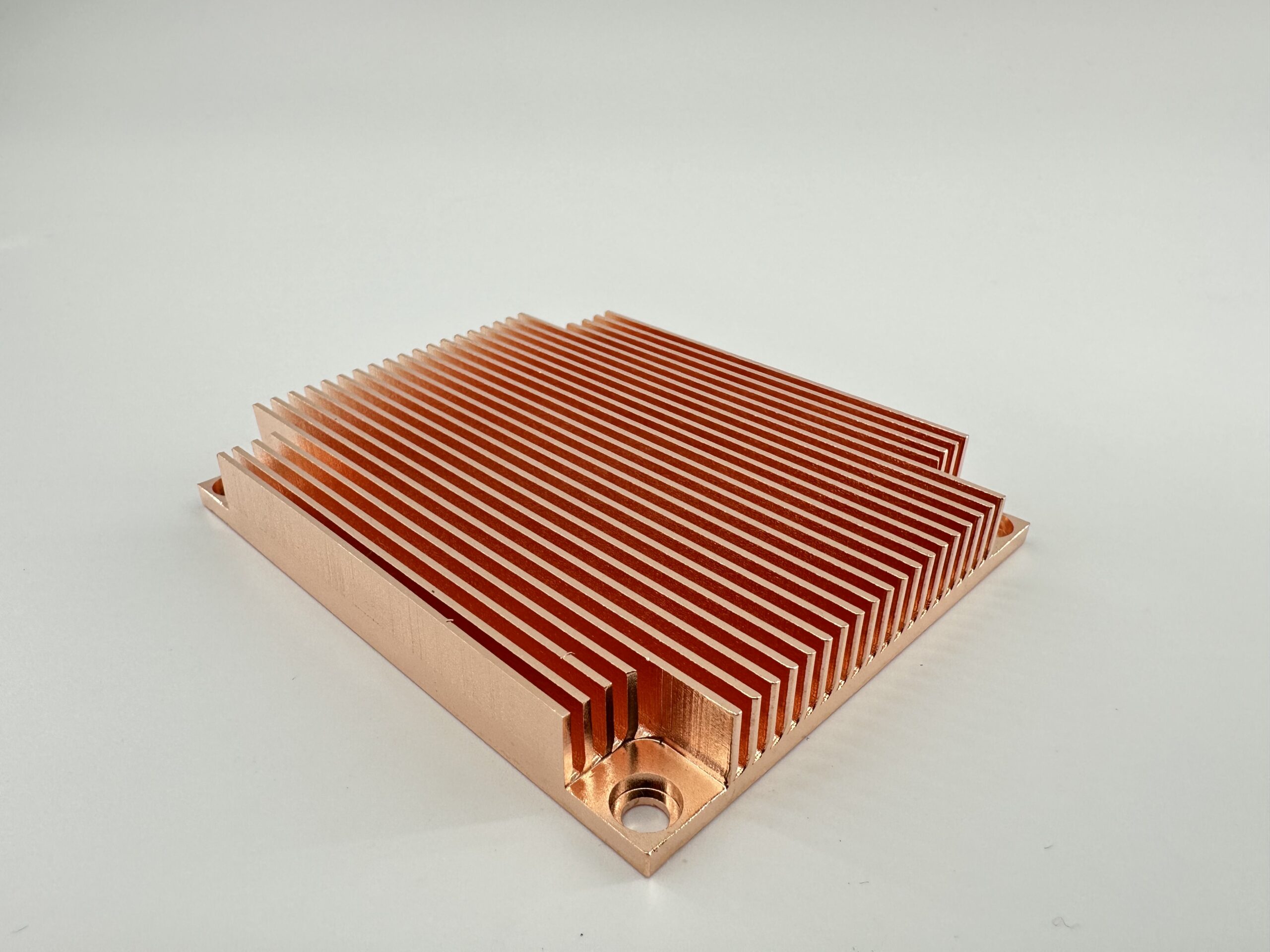
To summarise the insights shared in this article, the use of skived heatsinks has become pivotal in enhancing thermal management in various applications. The shift from traditional thermal solutions to advanced methodologies like skived fin heat sinks reflects the industry’s demand for performance and reliability. For those considering investing in high-quality heatsinks, Dingmetal stands out as a leading manufacturer, offering an impressive range of products designed to meet diverse needs efficiently. Their commitment to quality assurance and innovation ensures that users receive top-tier performance and support, making them a preferred supplier in the industry.
