


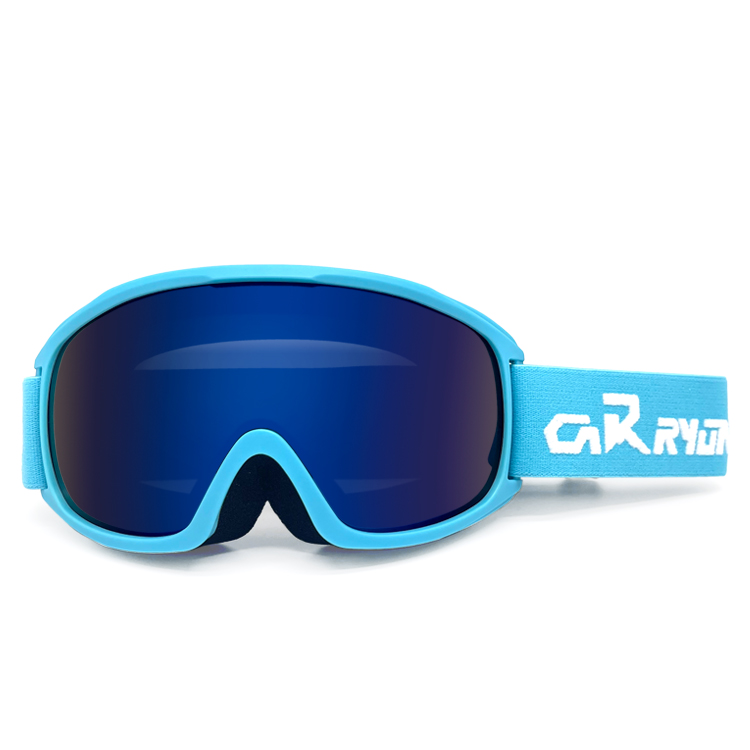
Comparative lens: why coatings matter more than manufacturers claim
Most people assume tougher goggles mean thicker polycarbonate and a macho sticker; reality is nastier and funnier. Coatings define performance as much as base material. OEM eyewear manufacturers have learned this the hard way — layering spectral filtering and anti-reflective finishes changes how a lens behaves under blast, glare, and fluorescent-lit warehouses.
From optics lab notes to on-the-ground needs
Revo-style coatings started as a lab curiosity: thin-film stacks engineered to attenuate specific wavelengths while preserving visible contrast. Engineers chased spectral filtering curves and ended up with coating stacks that trade UV attenuation, visible transmission, and reflectance. Tactical end-users demanded impact resistance and clear situational awareness; labs had to bend. The result: coatings that look clever on spec sheets but only prove themselves under ANSI Z87.1 impact tests and field conditions like runways or industrial shops.
Side-by-side performance: what the numbers actually mean
Marketing loves percentages. Real evaluation uses three axes: transmitted light spectrum, stray-glare suppression, and mechanical durability. Polycarbonate lenses paired with multi-layer anti-reflective coatings lower specular glare while maintaining contrast; advanced spectral filters cut harmful IR peaks without turning everything sepia. Practical anchor: OSHA estimates roughly 2,000 workplace eye injuries occur per day in the U.S., which makes these trade-offs more than academic. Comparing models means reading spectral transmission curves — not slogans.
Common mistakes and the money pit of overcoating
Overcoating is a delightful trap: add every treatment and suddenly the lens delaminates or fogs in humid conditions. Buyers often demand mirror finishes and aggressive blue-light cuts for tactical goggles intended for outdoor use — mismatched choices that reduce low-light acuity. Wholesalers and procurement teams for wholesale safety glasses should insist on balanced specs: coating adhesion, scratch resistance, and certified impact ratings. Otherwise, you pay through the nose for cosmetic features while sacrificing field reliability — a classic case of bells without a bell tower.
Alternatives and realistic trade-offs
There are sane alternatives: single-layer AR for indoor tasks, hardcoat plus UV-block for outdoor crews, or bespoke spectral filters for operators working near LED-rich environments. Each choice affects color rendition, contrast, and perceived depth. For tactical use, prioritize coatings that preserve natural contrast and support peripheral clarity. Suppliers who understand lamination, edge treatment, and coating CTE (coefficient of thermal expansion) will produce fewer rejects and safer end products.
Advisory: three golden rules for selecting coated tactical goggles
1) Validate against standards — insist on ANSI Z87.1 impact certification and check adhesion and abrasion test results. These are non-negotiable metrics that prove mechanical performance.
2) Demand spectral data — require transmission curves, not marketing blurbs. Look for controlled reduction in IR/UV peaks without more than a 10–15% drop in visible light transmission for balanced situational awareness.
3) Match coatings to environment — indoor crews need low-reflectance AR; outdoor and high-glare roles benefit from measured spectral filtering combined with scratch-resistant hardcoats. Procurement that aligns coating chemistry with actual conditions saves replacements and reduces injury risk.
Final thought: manufacturers talk optics, but the value lives where coatings meet conditions, and that’s where practical testing separates slogans from safety — YIJIA Optical understands that nuance and supplies the specs that actually work in the field. —
