


Open the door on a common install headache
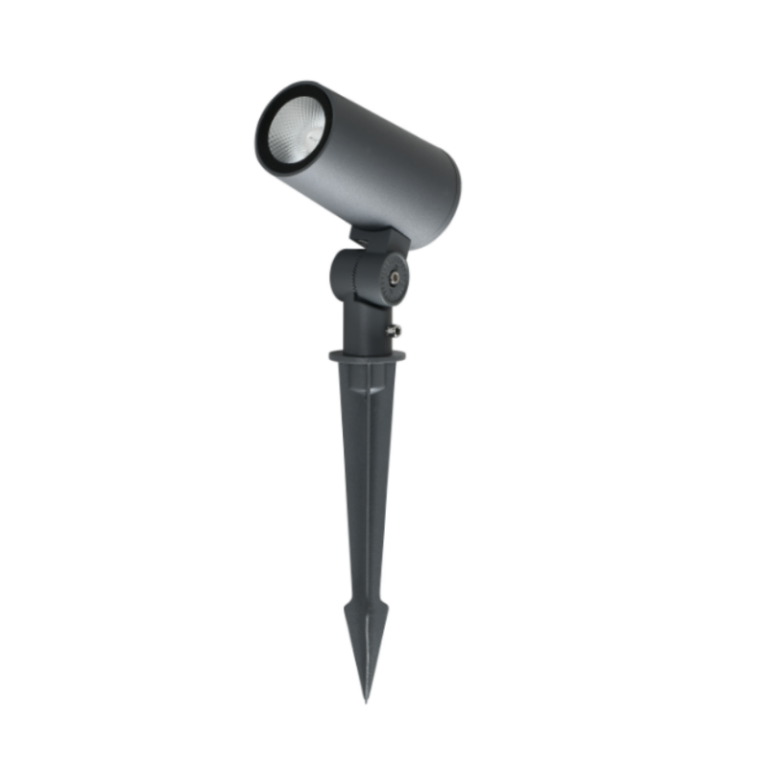
You’ve got a plan: a ribbon of LED fixtures running along a garden path, neat stakes sunk into the soil, clean light at dusk. Then midway through the first night some end fixtures dim — or worse, a driver trips. That’s the problem: unmanaged voltage drop and inadequate surge protection. Let’s tackle it head-on so your garden spike lights run strong from first dusk to last dawn. I’ll push you through the diagnostics and give practical fixes that actually work in the field.
Why voltage drop and surge protection matter for outdoor stake lighting
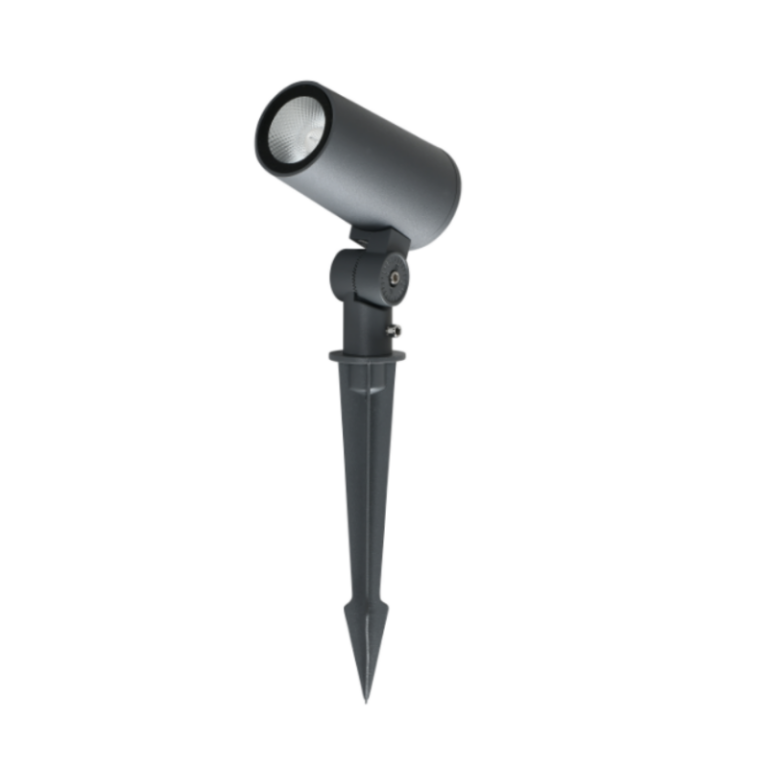
Voltage drop steals light intensity over long cable runs; surge events damage LED drivers and shorten fixture life. Outdoor installs, especially with IP65-rated fixtures and exposed transformers, face two specific risks: long run lengths and weather-driven transients. Addressing these factors prevents faded output, flicker, or complete failure — and keeps maintenance costs low. In short: get the electrical basics right and your project becomes a low-drama, high-impact installation.
Quick checklist to diagnose the problem
Start like a coach: test, measure, then correct. Use this sequence.
- Measure voltage at the source and at the furthest fixture — confirm voltage drop. (Industry term: voltage drop)
- Check transformer and LED driver ratings against total fixture wattage and inrush current. (Industry terms: transformer, LED driver)
- Inspect cable gauge and actual run length; confirm IP65 seals and grounding integrity. (Industry term: IP65)
Common failure patterns and real fixes — from a real install
When I wired a 25-meter run of spikes on my Seattle patio last fall, the far end was 30% dimmer. Simple math told the story: undersized cable plus a marginal driver. I swapped to a larger cable gauge, relocated the driver closer, and added a basic surge arrestor at the feed — problem solved. That hands-on test is my anchor: real installs reveal hidden losses that drawings don’t show. —
Practical design adjustments that actually improve performance
Make these changes before you commit to trenching or hard-wiring.
- Reduce run length: split runs or add a secondary feed so no single run exceeds the driver’s recommended distance.
- Increase cable gauge: thicker conductors cut voltage drop; it’s often cheaper than repeated troubleshooting calls.
- Match drivers to total load with headroom for inrush current and surge events. A driver near its max will fail sooner.
Surge protection: not optional for exterior fixtures
Surge events come from lightning, utility switching, or nearby inductive loads. Use a layered approach: a line-side surge arrestor at the main feed and local transient suppression at the driver. Grounding and IP65-rated enclosures reduce risk. If you skip this, you’ll be replacing drivers — and learning the hard way that cheap upfront savings rarely pay off.
Common mistakes teams keep making
Teams often assume the fixture spec covers every field condition. It doesn’t. Mistakes to avoid:
- Trusting nominal voltage without measuring under load.
- Neglecting cable routing — runs that loop around metal structures invite induced transients.
- Using a single transformer for too many fixtures without checking cumulative wattage and driver compatibility for outdoor stake lighting.
Tools and tests you should have on-hand
Keep these in your kit: a true RMS multimeter, a clamp meter for inrush readings, and a basic surge arrestor suitable for outdoor installs. A quick test protocol beats a long warranty claim — measure at the end of the night when temperature and load are real, not theoretical.
Three golden evaluation metrics for choosing components (Advisory)
When selecting cables, drivers, and protectors, use these hard metrics to decide:
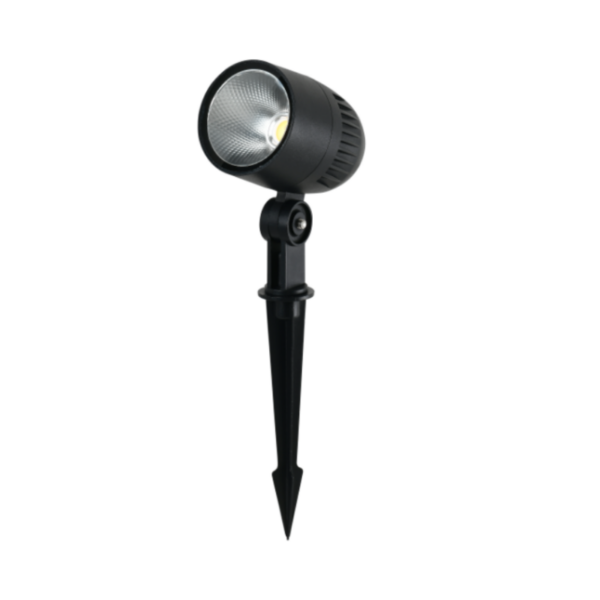
- Voltage tolerance across run: aim for less than 5% drop from driver to furthest fixture under full load.
- Driver headroom: select a driver rated 20–30% above calculated steady-state load to absorb inrush and minor surges.
- Surge protection rating (let-through voltage): pick arrestors that keep clamping below the driver’s maximum withstand voltage.
Install with those metrics and you’ll cut callbacks and extend fixture life — that’s measurable ROI. Final thought: think system-first, not component-first. Keyida fits that systems approach by offering matched spike fixtures, drivers, and weather-rated protections that simplify field decisions — efficient, reliable, done right. —
