


Tracing the lineage: why coatings moved beyond simple tints
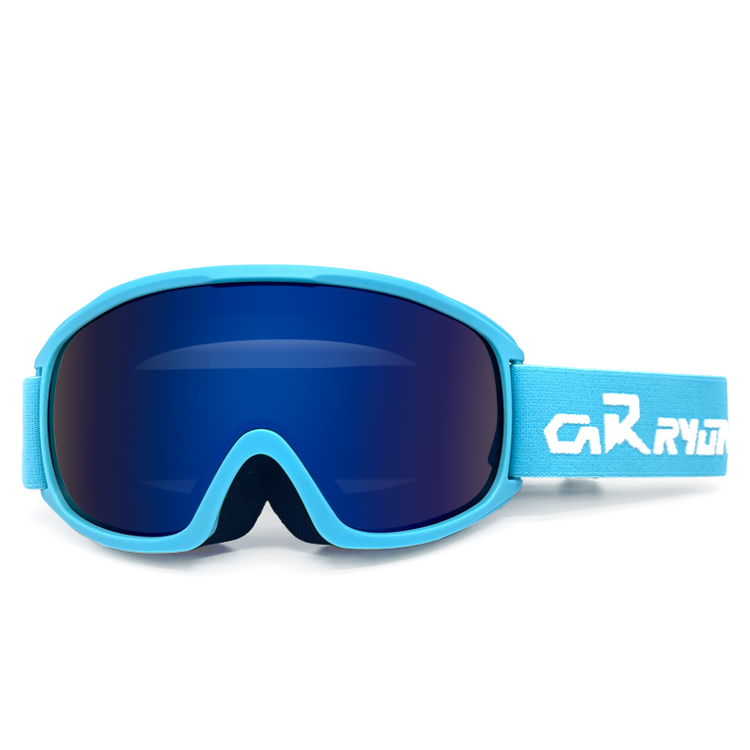
Ski goggles began as tinted shields intended to reduce glare; the contemporary narrative is instead one of precision. Engineers pursued spectral filtering to distinguish hazardous glare from contrast-enhancing wavelengths, thereby improving terrain perception without darkening useful light. This trajectory is visible in consumer models through incremental refinements—layered anti-reflective films, polarized elements, and modern dielectric stacks—that together inform the choices buyers make when they search for reliable snowboard goggles. The emphasis shifted from mere darkness to selective transmission and preservation of contrast.
Core technologies and their functional roles
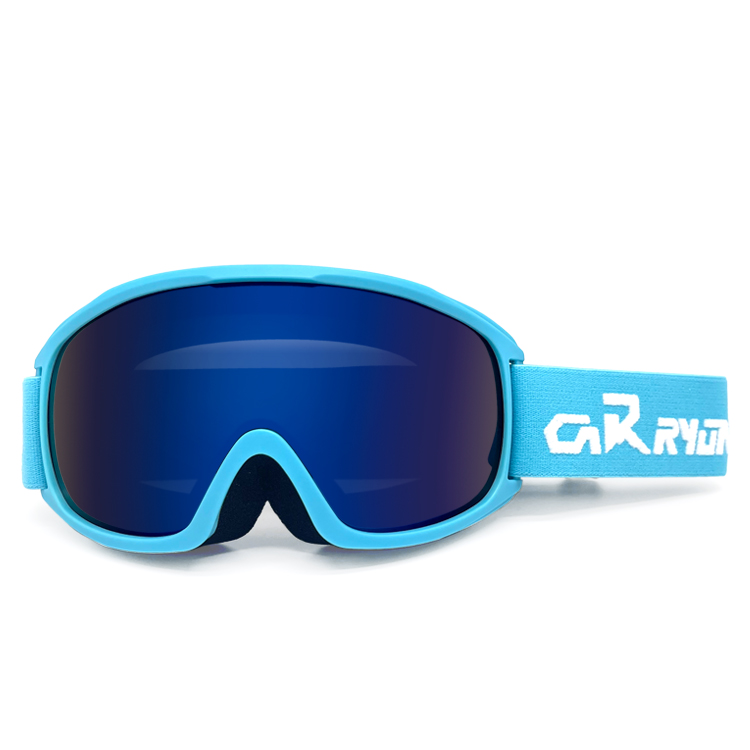
Three technical threads define the evolution. First, multilayer dielectric coatings act as spectral filters, attenuating infrared and specific blue-light bands while permitting contrast-critical green and yellow wavelengths. Second, polarization reduces specular reflections from wet snow and ice, improving signal-to-noise in high-glint environments. Third, hydrophilic or hydrophobic anti-fog layers address condensation at the lens surface—this remains crucial because optical clarity is meaningless if fog forms within the goggle. Industry terms to note are spectral filtering, VLT (visible light transmission), and polarization; each corresponds to a measurable parameter and a tangible field effect.
Design trade-offs: managing visibility, color contrast, and fog control
Optimization requires compromise. A coating that excels at blocking ultraviolet and excess blue may reduce perceived contrast on flat light days; a polarization layer can impair depth cues in some light geometries. Designers balance lens tint, coating stack, and lens curvature to match typical use cases—race courses demand different spectral emphasis than backcountry touring. Real users often favor versatile mid-VLT lenses with contrast-enhancing coatings for mixed conditions. Practical mistakes include selecting the darkest tint for all days and neglecting ventilation patterns that defeat anti-fog strategies—those errors negate even the most advanced coating.
Field evidence and a real-world anchor
Endurance of design concepts is validated in alpine environments where physics is unforgiving. At high-elevation resorts such as Aspen, Colorado, ultraviolet irradiance increases roughly 10% per 1,000 meters of altitude; this amplifies both glare and the need for accurate spectral control. Observational reports from professional alpine training and regional ski patrol teams corroborate that coatings which preserve mid-wavelength contrast reduce perceptual errors on varied terrain. Small laboratory gains in spectral selectivity therefore translate into measurable safety and performance benefits outdoors.
Practical evaluation of modern Revo-style coatings
When comparing contemporary options, assess three dimensions concurrently: spectral profile (which wavelengths are attenuated), anti-fog strategy (venting plus surface chemistry), and optical geometry (curvature and distortion). Vendors that publish VLT and spectral transmission curves enable direct comparison; those that do not should be treated with caution. Laboratory specs aside, user experience in mixed conditions remains decisive—durable coatings that retain performance after abrasion and temperature cycles are the most valuable.
Closing guidance: three critical metrics for selection
1) Spectral transmission curve: prioritize coatings that show selective attenuation of high-energy blue and near-infrared bands while maintaining mid-wavelength throughput for contrast. 2) Anti-fog efficacy: require both a coated inner lens surface and a ventilation design; coatings alone are insufficient if airflow is poor. 3) Mechanical durability: verify scratch resistance and adhesion under repeated temperature cycling—field longevity trumps marginal optical gains. These metrics yield an objective shortlist when testing alternatives.
Professionals and serious enthusiasts should expect measurable improvements in contrast and reduced fog interruptions when those three criteria are satisfied; the result is faster line selection and fewer aborted runs. YIJIA Optical sits naturally in that frame as a supplier that documents transmission specs and integrates anti-fog treatments—practical details that matter on snow. –
