


Introduction: A Quiet Revolution You Can Feel
Picture a busy clinic on a rainy Tuesday. Patients want subtle lift and smooth skin before the weekend. The second request mentions hyaluronic acid gel, and the nurse smiles—routine, right? Here’s the twist: demand for non-surgical contouring is up, and retention expectations are high. Recent reports show filler sessions edging higher each year, while touch-up intervals stretch when the gel’s rheology is tuned well. That’s not hype, it’s material science. Yet users still run into bruising, swelling, or early fade. So, how do we compare what’s out there, fairly and simply, without the noise?
Let’s set a baseline. We’re going to weigh gel design choices side by side and match them to use cases, not buzzwords. We’ll keep it friendly but precise (Canadian way). And we’ll ask the question that matters: which gel traits give real-world advantages for shaping, safety, and staying power? Onward to the first layer—where problems often start.
Part 1: The Hidden Flaws in “Good Enough” Fillers
Why do classic gels underperform?
Many clinics start with a general-purpose filler, then fight swelling or drift later. A modern cross linked gel changes that playbook by stabilizing the network so it resists water overload and shear. Traditional, lightly linked gels can be too hydrophilic. They pull in fluid, which raises edema risk and blurs contour. Viscosity helps, but without a tuned cross-link density and healthy G’ (elastic modulus), structure collapses when you need lift. That’s why cheeks look crisp on day one and soft by week four—funny how that works, right?
Technically speaking, the culprits are predictable: low cohesivity, poor viscoelastic balance, and inconsistent syringe extrusion force. Look, it’s simpler than you think. If the gel’s rheology isn’t matched to the plane of injection, micro-migration happens. In thin tissue, high water uptake shows as puffiness or a Tyndall hue. In high-movement zones, gels without adequate cohesivity tear or spread. The fix is not “thicker is better.” It’s a resilient network built with controlled BDDE cross-linking, shear-thinning flow for smooth cannula passes, and predictable response to hyaluronidase if you need a course correction. Small design choices. Big clinical differences.
Part 2: Comparative Insight—New Principles That Change Outcomes
What’s Next
Now, compare legacy blends to next-gen systems that layer density and particle architecture. New technology principles focus on multi-scale networks: microgel domains locked into a cohesive matrix, so G’ supports shape while G” permits natural motion. Translation: better lift with fewer units, and less drift under muscle load—especially in contouring. In body work, including safe, strategic use like buttock filler injections, designers push for high cohesivity and steady extrusion through larger cannulas. Not brute thickness—engineered resilience. Post-processing steps refine residuals and stabilize osmolarity, which can reduce inflammatory noise. The experience feels different at the table: steadier passes, cleaner moulding, fewer surprises. And it shows a month later.
From a forward-looking lens, the roadmap is clear. Expect smarter cross-link patterns that tune biointegration while staying reversible, plus tighter controls on particle size distribution. Think “purpose-fit rheology” rather than one-size-fits-all. The takeaway so far: choose gels on measurable traits, not marketing adjectives. To close, here are three simple metrics that guide better choices without slowing a busy day—because yes, everyone’s watching the clock.
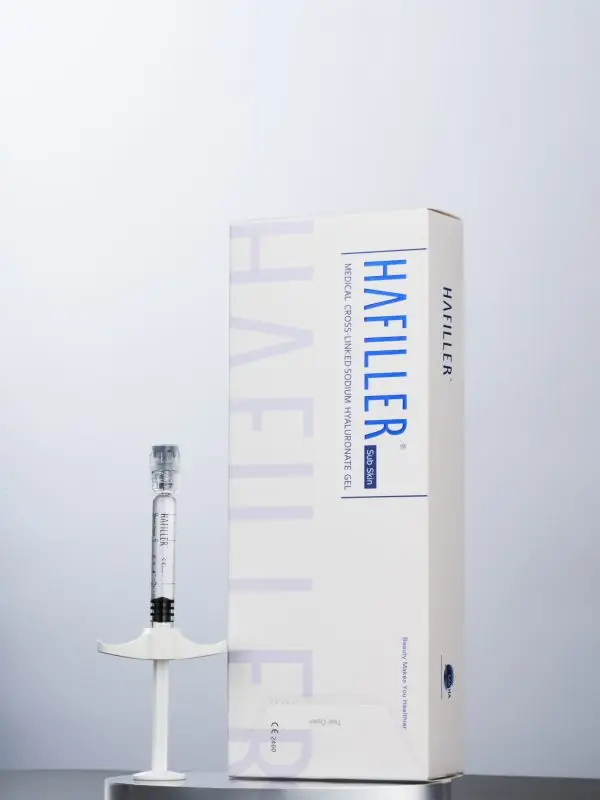
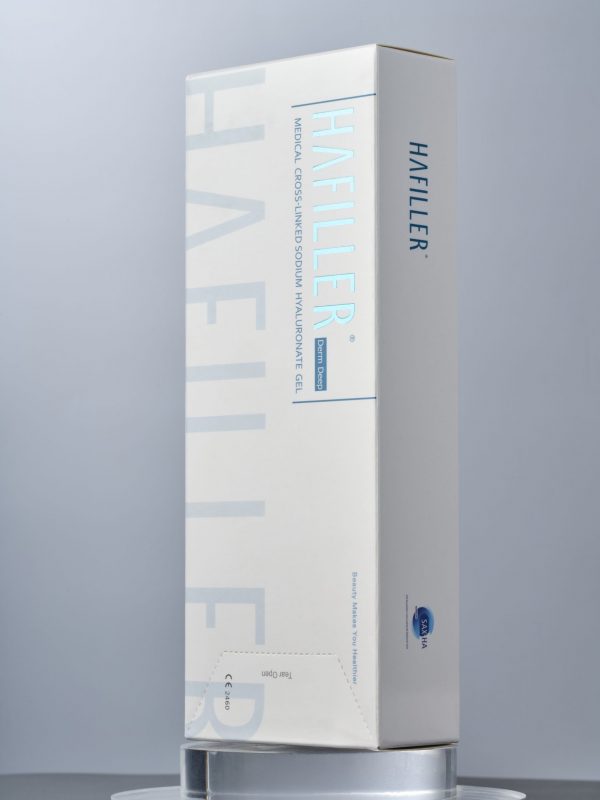
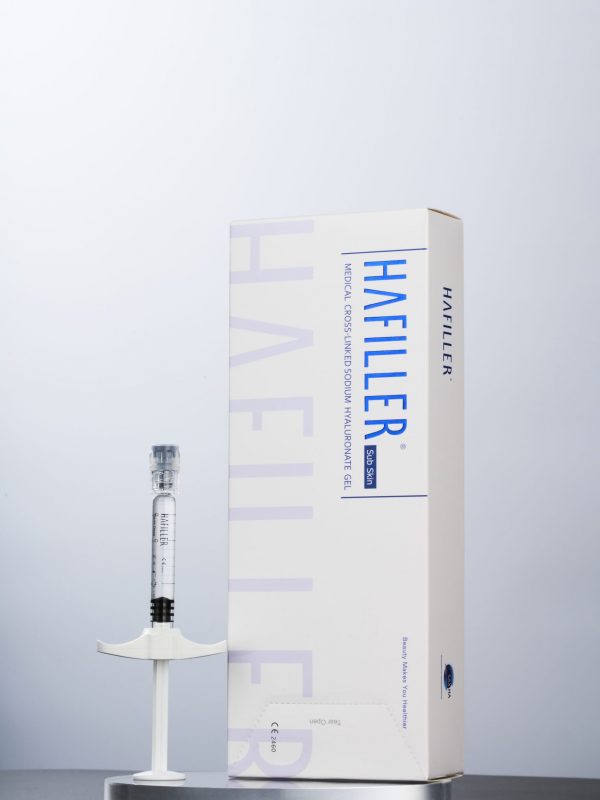
Advisory close—three metrics to evaluate any HA gel: 1) Mechanical profile: check stated G’ range, cohesivity, and shear-thinning for the target plane; 2) Chemistry quality: verify cross-link density, BDDE residual limits, and batch consistency; 3) Handling and safety: test extrusion force with your preferred gauge, observe swelling profile at 72 hours, and confirm predictable response to hyaluronidase. Keep it objective, keep it kind to tissue, keep it reversible—simple enough, yet powerful. For thoughtful materials that align with these principles, see HAFILLER.
