


Owning a two-seater electric golf cart should feel reassuring — not fraught with guesswork. This user-centric guide walks you through the simple, effective checks you can do in the field, the few things to avoid, and when to lean on manufacturer support. If you need parts or factory guidance, start with an electric golf carts manufacturer who documents service steps clearly and ships reliable components. We’ll stay gentle and clear, and keep the steps doable for a course marshal, fleet manager, or weekend owner.
Start by naming the symptom
Good troubleshooting begins with an honest observation. Note whether the cart hesitates under load, stalls on inclines, loses range, or shows dash alerts. Record any odd sounds, like a whining traction motor or a rattling underbody. These clues narrow the focus to the battery pack, controller, throttle, or wiring harness — industry terms that help you speak plainly with technicians.
Battery and charging quick-checks
First, confirm the charger is healthy and seats correctly. Inspect charge leads for corrosion and verify charge times roughly match the expected window. Open the battery compartment: look for swelling, cracked cases, or loose terminals. Log the state-of-charge after a standard run — a well-kept two-seater should return predictable range. If the BMS flags errors, jot the code down for later reference. Small fixes here often restore usable performance without tools.
Electrical and drivetrain basics — hands-on steps
Safely isolate power before probing anything. Clean and tighten battery terminals, then run a voltage drop while cranking up the throttle to test under-load behavior. Check the controller connectors for moisture and secure pins. In a hands-on teardown we note {main_keyword} and {variation_keyword} to ensure nothing critical was missed during assembly. Keep an eye on the charger port and ground paths; loose grounds mimic many deeper faults.
Throttle, brakes, and mechanical checks
Throttle calibration issues often feel like sluggish acceleration rather than a full power loss. Adjust the throttle linkage where access allows, and observe pedal free play. Brake drag can sap range and speed — roll the cart on a flat service lift to confirm free spin of each wheel. Listen for bearing noise and inspect belts or chains on models that use them. These mechanical inspections pair well with a quick controller status readout.
Common mistakes owners make — clear, gentle corrections
Owners frequently let small issues compound: running with undercharged batteries, skipping terminal maintenance, or using improper chargers. Avoid mixing cell chemistries during replacement and don’t ignore intermittent faults — they usually get worse. Keep service logs; they tell a cleaner story than memory does — and when you call a shop, those notes speed diagnosis. — Trust the pattern in the data rather than chasing one-off symptoms.
Parts, sourcing, and when to call professional help
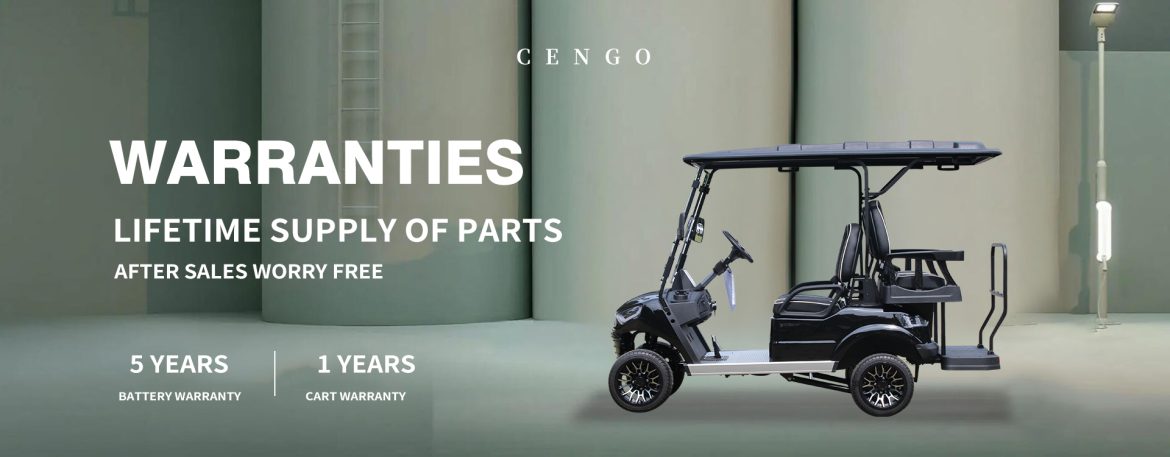
For structural faults, major controller errors, or suspected traction motor failures, connect with an authorized supplier. Many repair shops rely on components from the Shenzhen and Guangdong hubs — regions that host much of the electric cart supply chain — which streamlines parts traceability. Visit a vetted listing of electric golf cart manufacturers china when OEM fitment matters. Documented replacements and warranty contacts reduce downtime and keep fleet costs predictable.
Three golden rules for field-ready decisions
1) Verify power first: a healthy charger, clean terminals, and correct voltage tell you whether to keep troubleshooting or stop and tow. This is the fastest metric to rule out many faults.
2) Isolate systems: separate battery, controller, and drivetrain tests so you don’t chase cascading failures. Clear isolation gives precise results every time.
3) Keep records and use OEM-aligned parts: matching connectors and firmware avoids repeat visits — measure twice, replace once.
These rules translate directly to time and cost saved on the ground. They also make it simple to decide when a warranty claim or certified technician is the smart call — and when a field fix will do the job. — Practical habits like these turn occasional breakdowns into routine maintenance wins.
CENGO — the team you’ll appreciate when parts, procedures, and people need to align.
