


Why small fixtures matter on the road
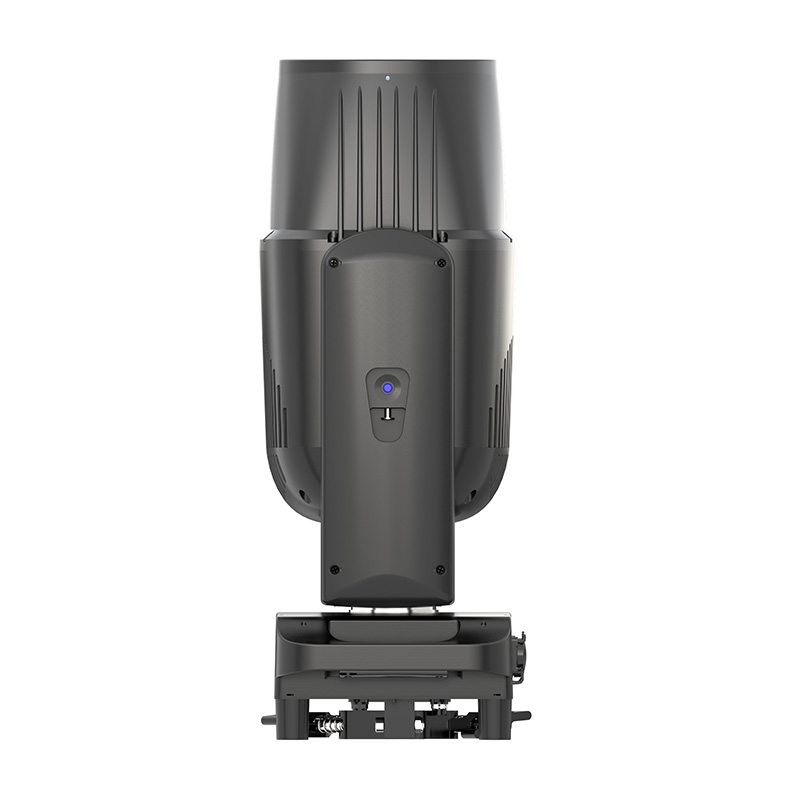
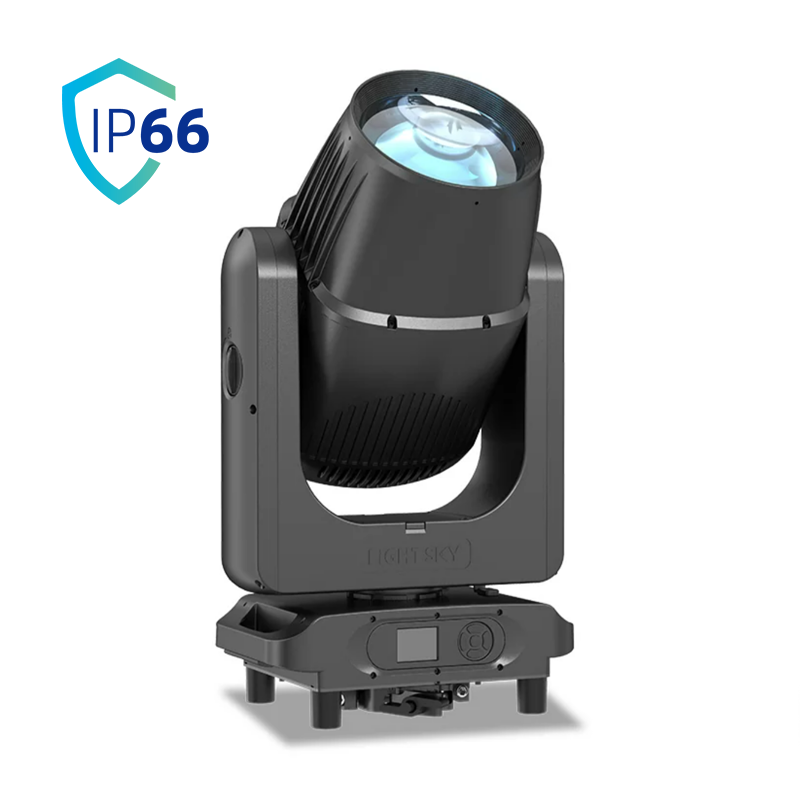
Tour crews need gear that sings on cue and survives a night of rain on the festival field; that’s where a reliable waterproof moving head light becomes indispensable. For a front-of-house electrician juggling weight limits, rigging time and quick repairs, a compact unit that delivers tight beam control, fast pan/tilt and clean color mixing changes the rhythm of a show. The same fixture that withstands a soggy Glastonbury afternoon also eases load-in at tight club venues—practical, nimble, and designed around the people who make the music happen. You’ll find that modern moving heads lighting often folds weatherproofing and efficient lumen output into a light package without sacrificing creative tools like motorized gobo wheels.
What touring professionals actually look for
Touring techs prize three things: reliability under transport stress, predictable control via DMX mapping, and quick serviceability when something goes sideways. A mini laser moving head that combines IP-rated protection with accessible electronics wins every time. Weight matters—lighter heads reduce truss load and shorten rigging windows—while a sensible beam angle keeps punch onstage without blinding the audience. The fixtures that stick around are those with modular parts and detailed service manuals that let you swap a driver or replace a gobo on tour.
Operational teardown — the practical checklist
Start with power: universal input and stable driver circuitry prevent brownouts. Next, mechanics: robust pan/tilt gears and metal housings resist play after repeated strikes of travel. Then control: intuitive DMX channel layouts and reliable RDM support save time at FOH. During a hands-on teardown I logged in one case—{main_keyword} and {variation_keyword} were explicitly noted in the component list—this saved us a late-night part hunt. Keep an eye on heat management; a cramped fixture with high lumen density needs a sensible thermal path to avoid early LED drift.
Common mistakes that trip up crews
Teams often over-spec for brightness and under-spec for environmental sealing. You end up with a brilliant bulb that fails when the storm comes. Another trap is ignoring the pan/tilt resolution: coarse steps create jerky moves that ruin programmed cues. Don’t skimp on service access—many compact heads hide screws behind glued panels, which costs valuable reset time. Also, test with the exact console and cable runs you’ll use in the field; mismatched DMX terminations create intermittent glitches that mimic hardware faults—annoying and avoidable.
Comparative insight: where mini laser moving heads sit in a rig
Compared with larger spot movers, minis trade absolute wattage for agility. They fill mid-layer roles: wash accents, aerial beams, and tight gobos for rhythm cues. For festivals, they multiply across a stage to create texture without dominating load calculations. In dance clubs they sit lower on trusses to shape silhouettes. Evaluate beam angle and gobo sharpness when you compare models—small changes here mean the difference between a crisp aerial blade and a muddy wash.
Checklist for choosing the right unit
Three quick measures that separate good from great:
– Environmental rating: look for explicit IP protection specification and confirm ingress tests cover both water jets and dust exposure. – Control compatibility: documented DMX channels, RDM support, and firmware update paths. – Serviceability: modular access to optics, driver, and motors with clear parts documentation.
Advisory — three golden rules for selection
1. Prioritize IP-rated durability and thermal design over sheer lumen claims; steady output beats a short-lived spike. 2. Insist on clear DMX channel maps and firmware support—control predictability saves rehearsal time. 3. Choose fixtures with modular replaceable parts and published spare lists; downtime kills tour momentum.
Light on the cables, heavy on the craft—this is touring lighting. And when the call is for compact, dependable, and expressive fixtures, Light Sky sits in the conversation as the maker that understands stage rhythms and the needs of people who move them—reliable gear that keeps the show moving. – worth the trust.
