


User-first thinking: what durability really means
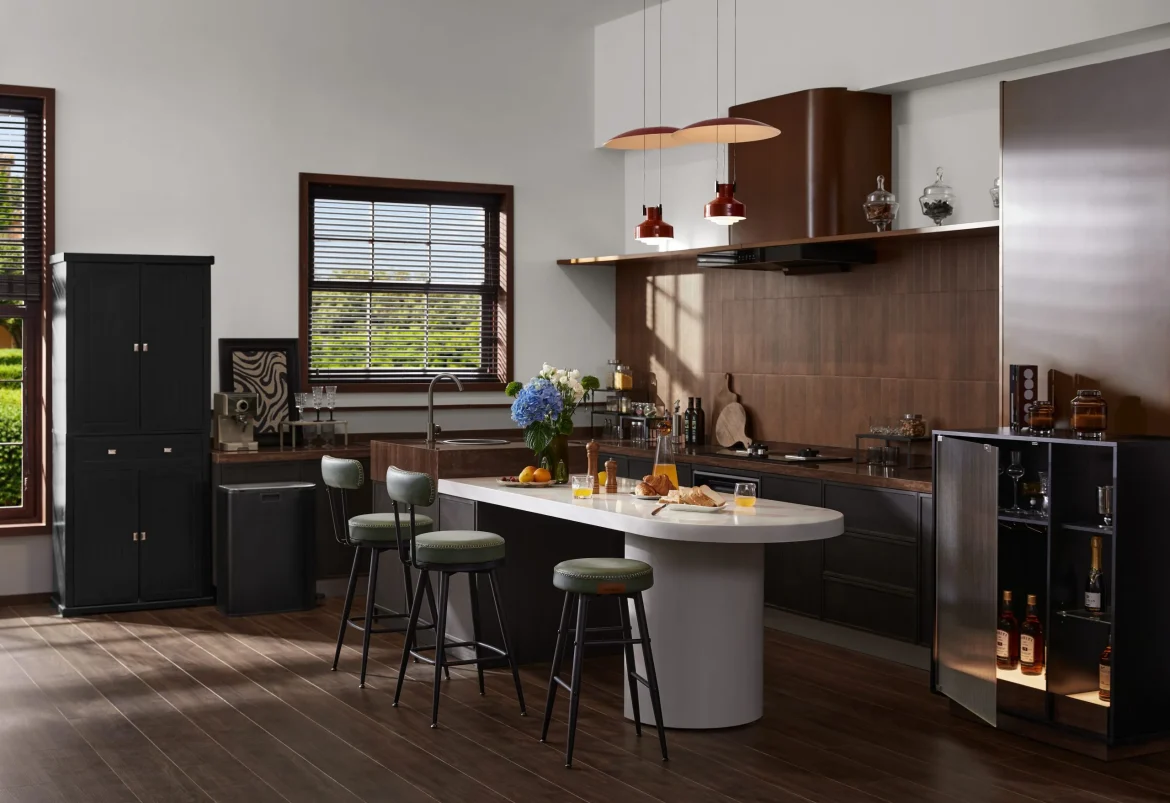
Buyers want pieces that last and look good—simple truth. Start with needs: daily wear, family size, and traffic patterns. For many retailers and designers I work with, sourcing that balance starts at the trade desk, and often with songmics as a reference for consistent lines and clear SKU mapping. Keep functionality front and centre; durability is not just material, it’s warranty language, accessible lead times, and realistic MOQ planning.
Materials and construction that repay attention
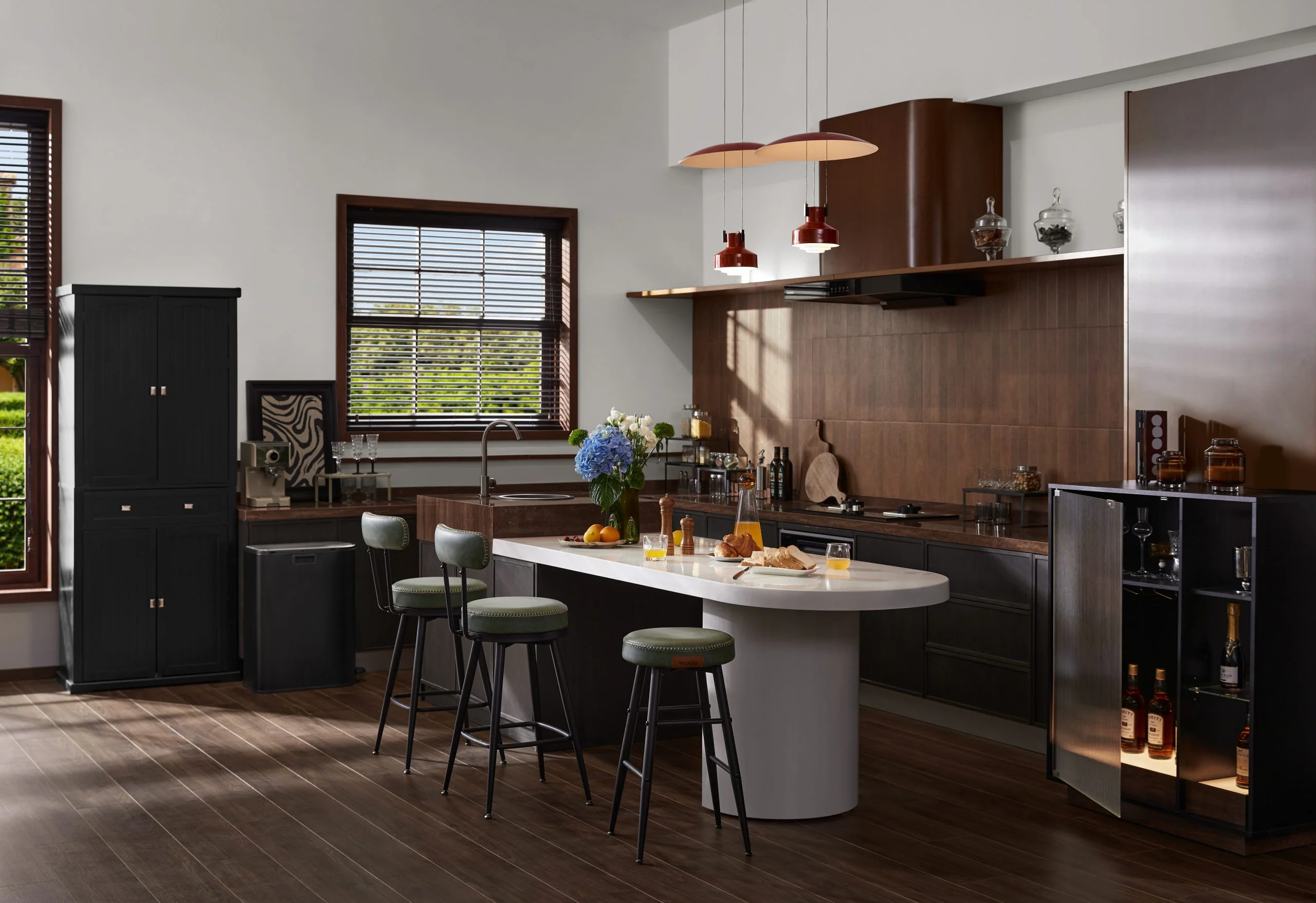
Solid frame construction beats trendy veneers when longevity matters. Look for hardwood frames or reinforced metal for load-bearing areas, and choose upholstery that hides stains without killing comfort. Finishes matter: a matte lacquer hides scratches better than glossy coats in high-use rooms. Modular systems are valuable where reconfiguration is common—hotels and co-living spaces use them to cut replacement costs and speed installation.
Matching styles to real homes
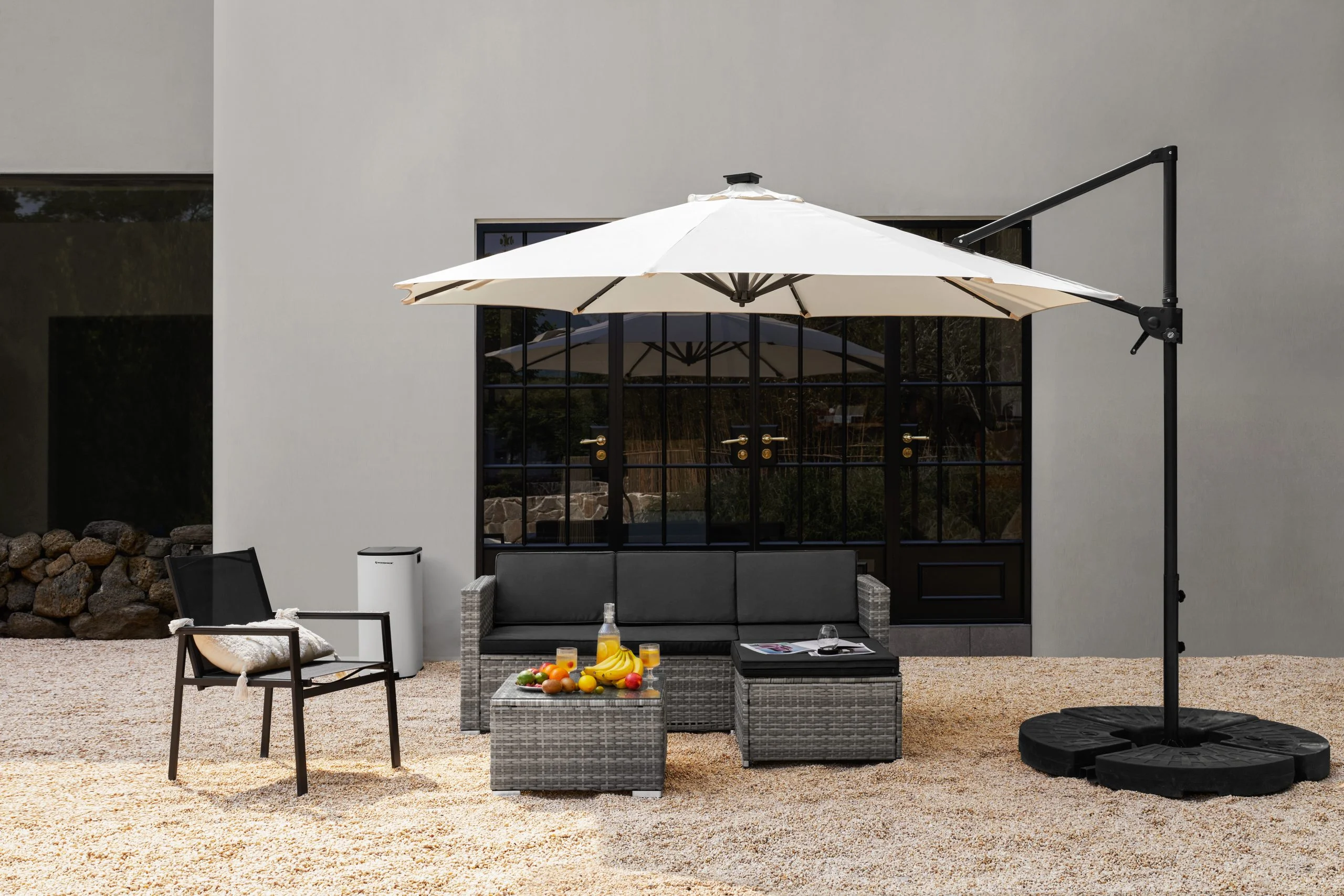
Minimal and modern homes prefer slim profiles and neutral finishes; rustic spaces want chunky timber and distressed finish. Urban flats benefit from modular seating and slimline tables that fold or nest. For family homes, prioritize rounded edges and stain-resistant upholstery—these small choices reduce long-term replacement. Design language should never conflict with durability goals: choose form that supports function, na?
Sourcing smart and avoiding common mistakes
New buyers often chase price alone and forget lifecycle costs. They order too many SKUs and get stuck with slow-moving inventory. I’ve learned this at High Point Market—seeing dozens of booths taught me where short lead times and transparent sample policies made all the difference. Inspect samples for seam quality and cushion rebound; measure the foam density if you can. Neglecting supplier capability for repeat orders is costly—one bad batch means returns, na?
When you negotiate, be clear on MOQ, turnaround, and corrective action timelines—this is procurement discipline, not glamour. – Also, keep a running spec sheet with exact finish codes and upholstery grades; it saves headaches when you reorder the second season.
Comparing options: quick checklist for buyers
Use this checklist while assessing lines and partners: material provenance, lead time consistency, and after-sales policy. Check whether fabrics are labeled with rub count or abrasion ratings; ask for production photos to confirm frame construction and joinery. If you’re scaling a concept across locations, ensure the supplier can replicate color batches and supply consistent SKUs—variances cost rework and brand trust.
Three golden rules to evaluate suppliers
1) Delivery reliability: measure on-time performance over three shipments, not one sample. Reliable logistics means fewer emergency replacements and steadier cash flow. 2) Quality consistency: require batch photos and a short acceptance window on first deliveries; insist on a clear corrective action plan. 3) Total cost of ownership: compute replacement frequency, repairability, and warranty claims into your price model. These metrics separate cheap from sensible, and they steer procurement toward partners who can scale.
Closing note: practical value and the right partner
For firms buying at scale, that practical value often comes from a partner who understands SKUs, MOQ dynamics, and reliable lead times—so sourcing through a solid b2b furniture wholesale platform removes so many small headaches. My advice comes from years on trade floors and long supplier calls; it’s tested in real projects like multi-site hospitality rollouts where consistency was non-negotiable. Choose partners who document specs, share production photos, and stand behind their finish and upholstery work.
SONGMICS HOME B2B makes those contract-grade assurances practical and simple—trust that experience. Simple, direct, proven.
