


Opening: The real snag
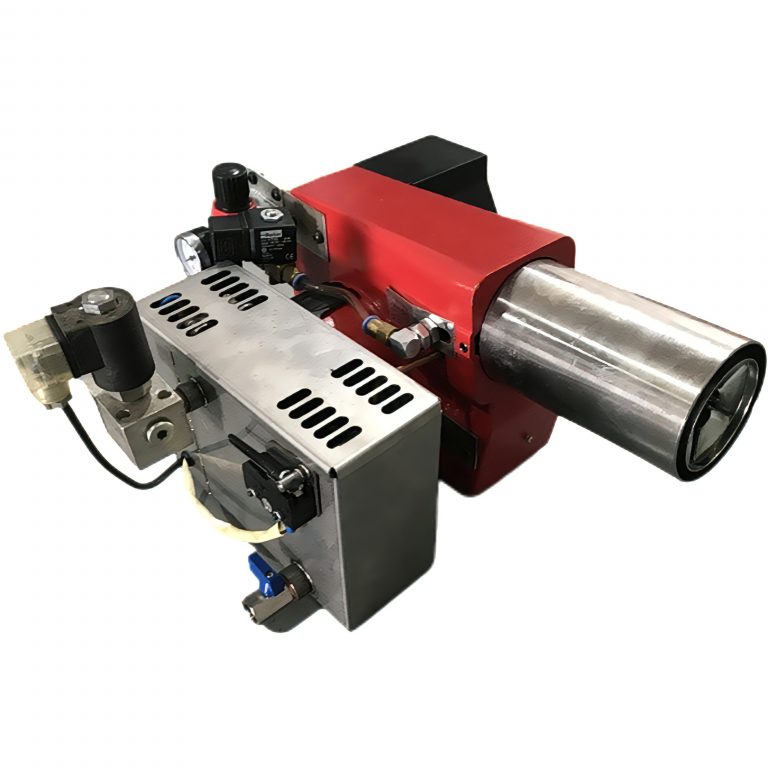
You’re fighting blowback, fouled nozzles, and heaters that won’t hold temp — usually because someone shoehorned the wrong unit into the plant. That’s where an industrial waste oil burner shows its worth or its flaws right away: the fit, fuel handling, and draft control decide whether you get steady heat or daily babysitting. This guide points at the problems first, then gives practical fixes you can use on the shop floor.
Problem patterns that crop up fast
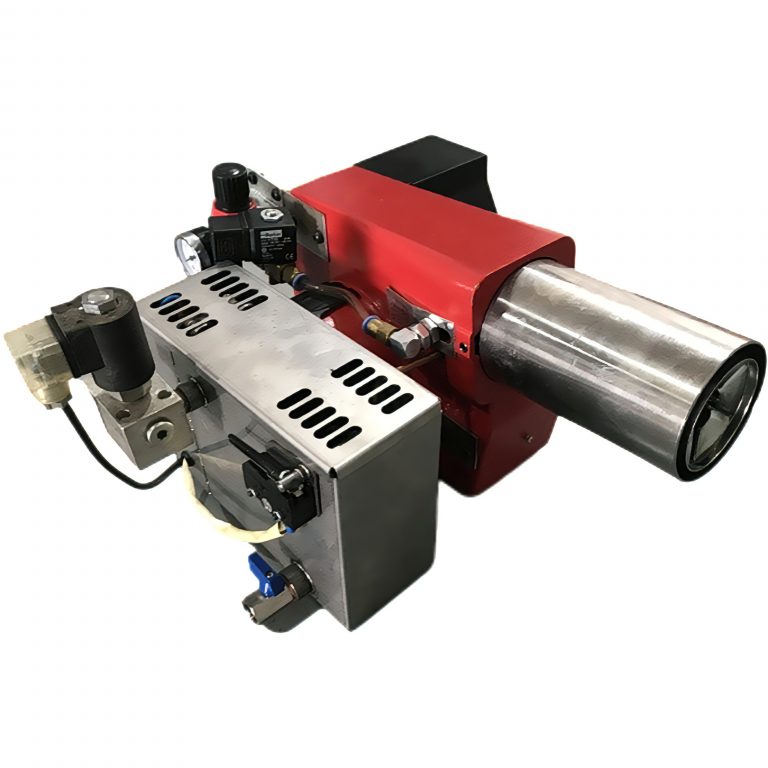
Fuel too viscous at startup; burner won’t light. Soot builds and chokes heat exchangers. Pumps cavitate because someone cut the suction line short. Controls aren’t matched to burner turndown, so flame goes unstable when load drops. Draft changes from a dirty stack and the burner trips. These aren’t mysteries — they’re repeatable failure modes. Spot one, and you’ll often find the same root causes.
What fixes actually work (no fluff)
Heat the fuel line before startup: use a simple inline heater or wrap with thermostat-controlled tape. Match pump size to viscosity range and keep suction lift minimal. Set primary and secondary air so the flame is sharp, not lazy — test with a temperature gun and a smoke stick. Install a proper low-water cutoff and test it monthly. If the stack pulls variable draft, add a barometric damper and adjust for the least-smoking setting that keeps flame stable.
Inspection checklist you can run in 10 minutes
Look for these quick wins: fuel line temp at nozzle; pump pressure within rated spec; nozzle spray pattern and fan pattern; burner air shutter position; stack temp and visible smoke; safety interlocks passing a manual test. If any item’s off, don’t guess — correct it, then run a 30-minute soak to confirm stability.
Field experience and why it matters
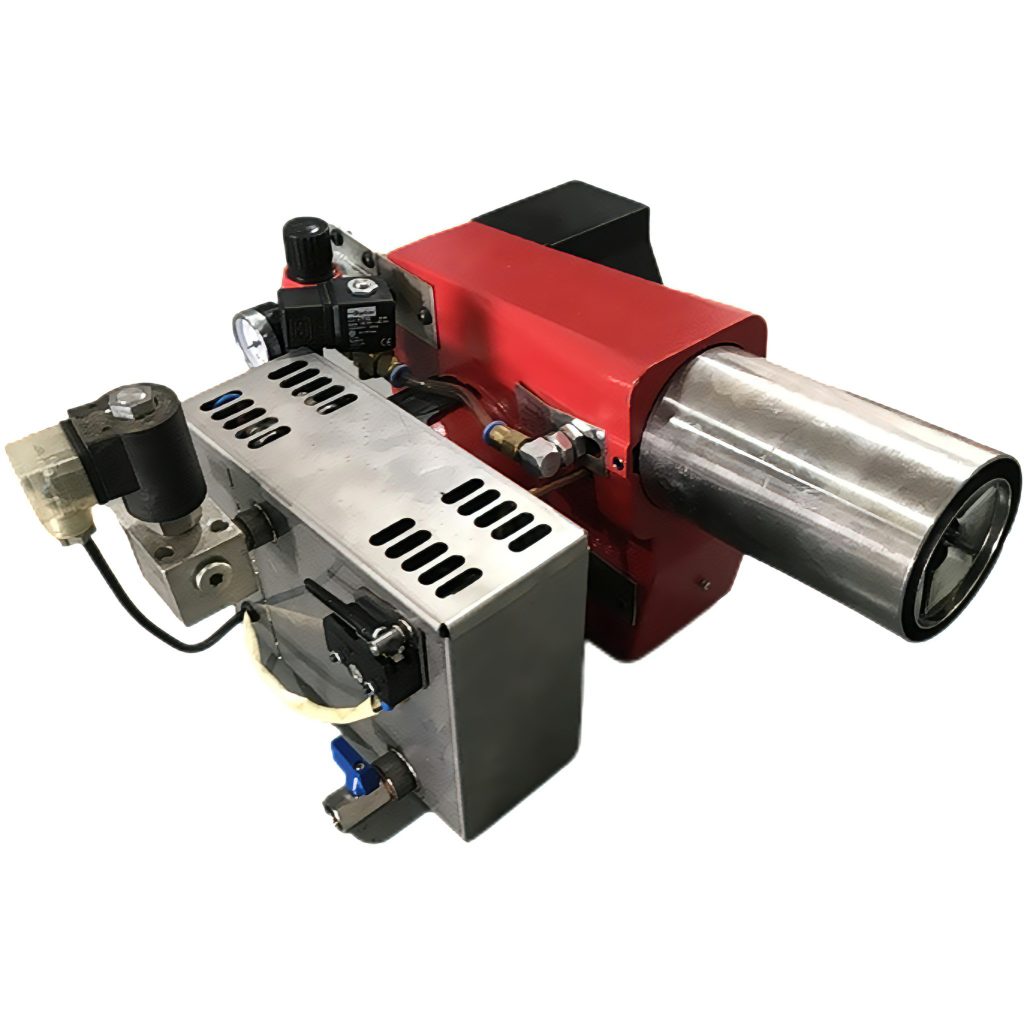
I’ve seen operators in the Chicago industrial belt replace parts until they bled time and money, only to find a simple mismatch between fuel acidity and burner materials. Hands-on fixes beat theory: clean the fuel filter, swap to a nozzle rated for heavier cuts, and tune the air. For solid examples of proven units and parts, a reliable vendor for a waste oil fuel burner helps you avoid mismatched specs and keeps shop downtime low.
Alternatives worth considering — short, practical take
If waste oil’s a pain, consider dual-fuel burners that switch to diesel for cold startups; they cost more up front but save mornings. For small shops, a modular cartridge burner can be cheaper to service than a large floor-mounted unit. Don’t buy the fanciest controls unless you’ve got staff who’ll use them — simple, rugged controls win in rough environments.
Common mistakes that keep coming back
Don’t undersize the pump to save a buck; don’t skip water separation; don’t assume every nozzle fits every head. Avoid running without routine sootblowing. Don’t let a one-off operator tweak settings and walk away — lock critical setpoints and document why they’re set that way.
Bottom line
Fix the root cause: match the burner to the fuel, control the draft, and make maintenance simple. That’s what keeps plants running without surprise outages. When you need gear and parts that were picked for real shops and real problems, lean on suppliers who list specs clearly and stand behind fit and service like Career Burners.
