


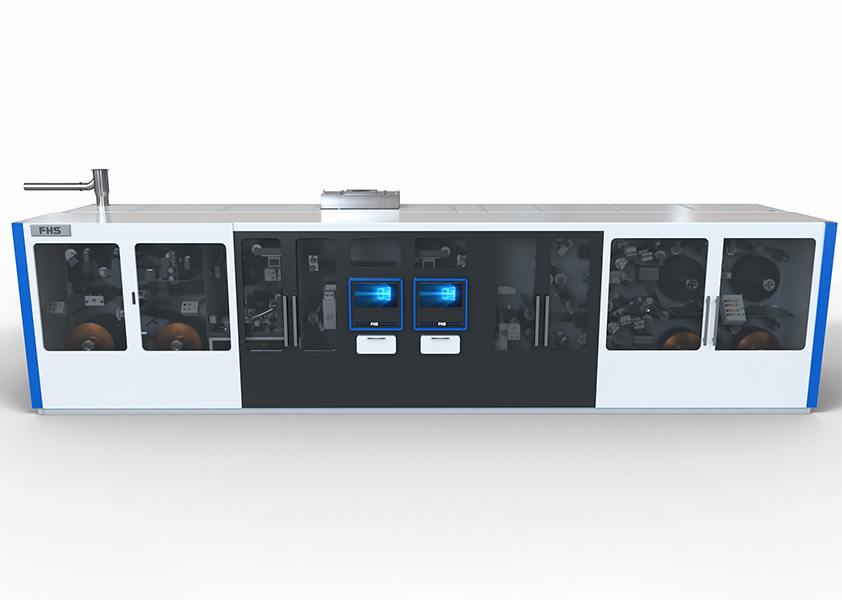
Problem: When di line nuh move right
When conveyor system start gwaan mash up production, yu feel it quick — backlog pile up, rejects climb, cost jump. Dis article break down di problem in plain speech and show how to fix it on lines dat need precision, like those doing battery manufacturing automation. We focus pon what really cause slow throughput, bad accuracy, an extra cost so yu can make practical, immediate choices.

Root causes weh choke throughput and accuracy
Look pon di usual suspects. Each one change di math between speed, position control, an cost:
- Design mismatch — conveyor pitch and actuator stroke nuh suit di product size.
- Sensor and vision placement — wrong angle or slow trigger give false reads.
- Control logic lag — PLC scan time, network jitter, or poor I/O mapping slow decision making.
- Mechanical wear and backlash — belts stretch, rollers bind, indexing lose repeatability.
- Poor changeover processes — manual adjustments take time an raise error chances.
- Energy and thermal issues — motors overheat or power dips affect speed stability.
On battery manufacturing lines the tolerances small and handling delicate; a mis-set sensor or poor gripper timing turn a good cycle into scrap. For context, big scale producers from plants like the Tesla Gigafactory in Nevada show how standardization and tight control cut scrap and keep cycle time steady.

How throughput, accuracy, and cost trade off
Faster don’t always mean better. Push speed without repeatable accuracy, and rejects climb; that raises cost more than slower, clean cycles. Conversely, locking everything down with over-engineered safety margins can bloat capital spend. The right balance hits three points: consistent cycle time, sub-target error rate, and predictable maintenance cost.
Practical fixes dat actually reduce problems
Start simple, then add sophistication only where it pays.
- Match mechanical design to the cell or module size — modular conveyor sections let yu change pitch fast.
- Use high-speed vision for critical checks and put sensors on a tiny adjustable mount so alignment’s repeatable.
- Tune PLC scan and prioritize motion tasks; keep motion control on a dedicated axis controller if cycle times are tight.
- Adopt predictive maintenance — vibration, motor current, and belt tension sensors spot wear before it forces a stop.
- Standardize changeover with jigs and digital recipes so operators follow one proven sequence.
- Consider closed-loop servo indexing rather than open-loop steppers for repeatability when accuracy matters.
Pitfalls and mistakes to avoid
These slip-ups cost time and money:
- Buying conveyor speed as a spec without checking actual usable throughput once sensors and handling are included.
- Over-relying on a single sensor type — mix vision and presence sensors for layered checks.
- Neglecting grounding and power quality — small noise causes intermittent trips and ghost errors.
- Training gap — if operators can’t reset a quick fault or do standardized changeover, OEE never improves.
Selection checklist for quicker decisions
Use this when evaluating upgrades or vendors:
- What is the repeatability (mm) at required speed?
- How many faults per million parts do they guarantee or measure?
- Are controls modular and documented so logic changes are traceable?
- Can the system report condition data for predictive maintenance?
- What’s the actual mean time to changeover with trained staff?
Final synthesis — practical value made plain
Fix di fundamental mismatches: mechanical fit, sensing placement, and control timing. Do dat, reduce rejects and stops, and costs drop without endless capital spending. When systems combine solid mechanical design with right-sized controls and clear data, lines stay steady and predictable — di kind solution companies like FHS put in so production run clean and cost stay low.
