


Opening: the problem-driven frame
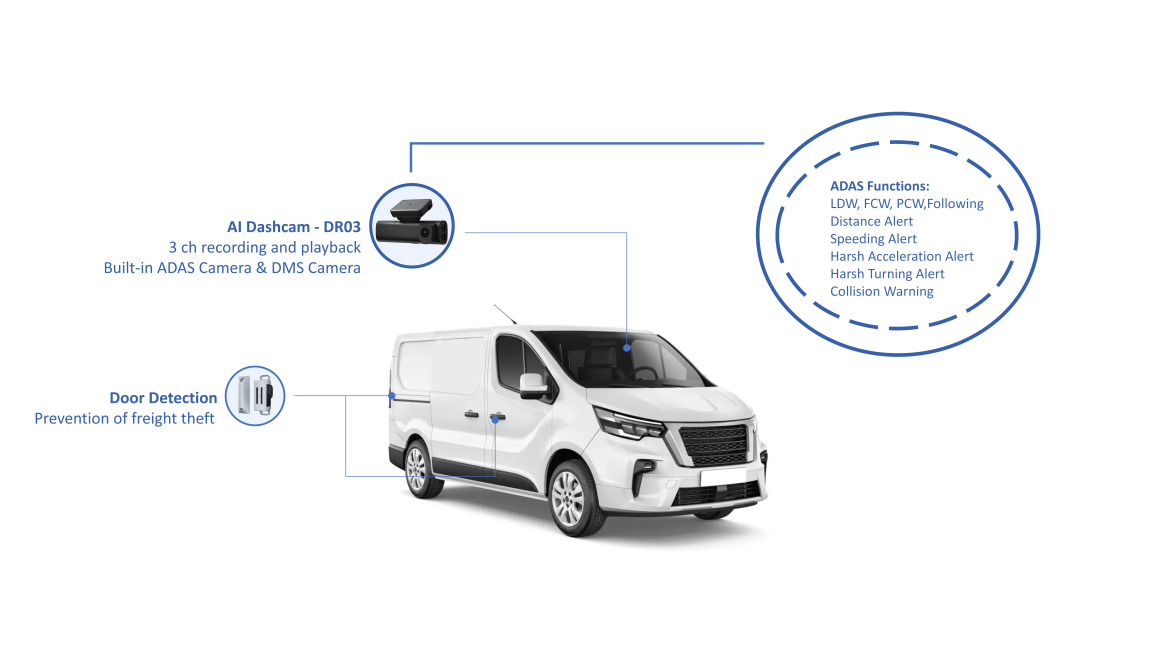
Mining operations run on moving machines. When trucks, loaders and support fleets fail, safety and production stop. Operators often face recurring gaps: poor vehicle visibility, inconsistent maintenance, and weak incident reporting. Addressing those gaps requires targeted fixes, not broad slogans. For teams responsible for trackable vehicle control, integrating clear telematics and rule-based alerts—known approaches from mining fleet management—cuts uncertainty and reveals where to act first.
Problem 1 — Equipment reliability and unexpected failures
Breakdowns create immediate safety hazards: brake fade on grades, hydraulic failures near face edges, or tire blowouts on haul roads. Common causes are deferred inspections and reactive maintenance. Practical fixes:- Enforce daily walk-around checks with simple checklists tied to VIN or unit number.- Use condition-based monitoring for brakes, oil temperature, and coolant pressure.- Automate maintenance triggers when thresholds cross safe limits.Pitfall to avoid: logging inspections without following up; an inspection record means nothing if parts and workflow don’t follow.
Problem 2 — Limited operational visibility and delayed alerts
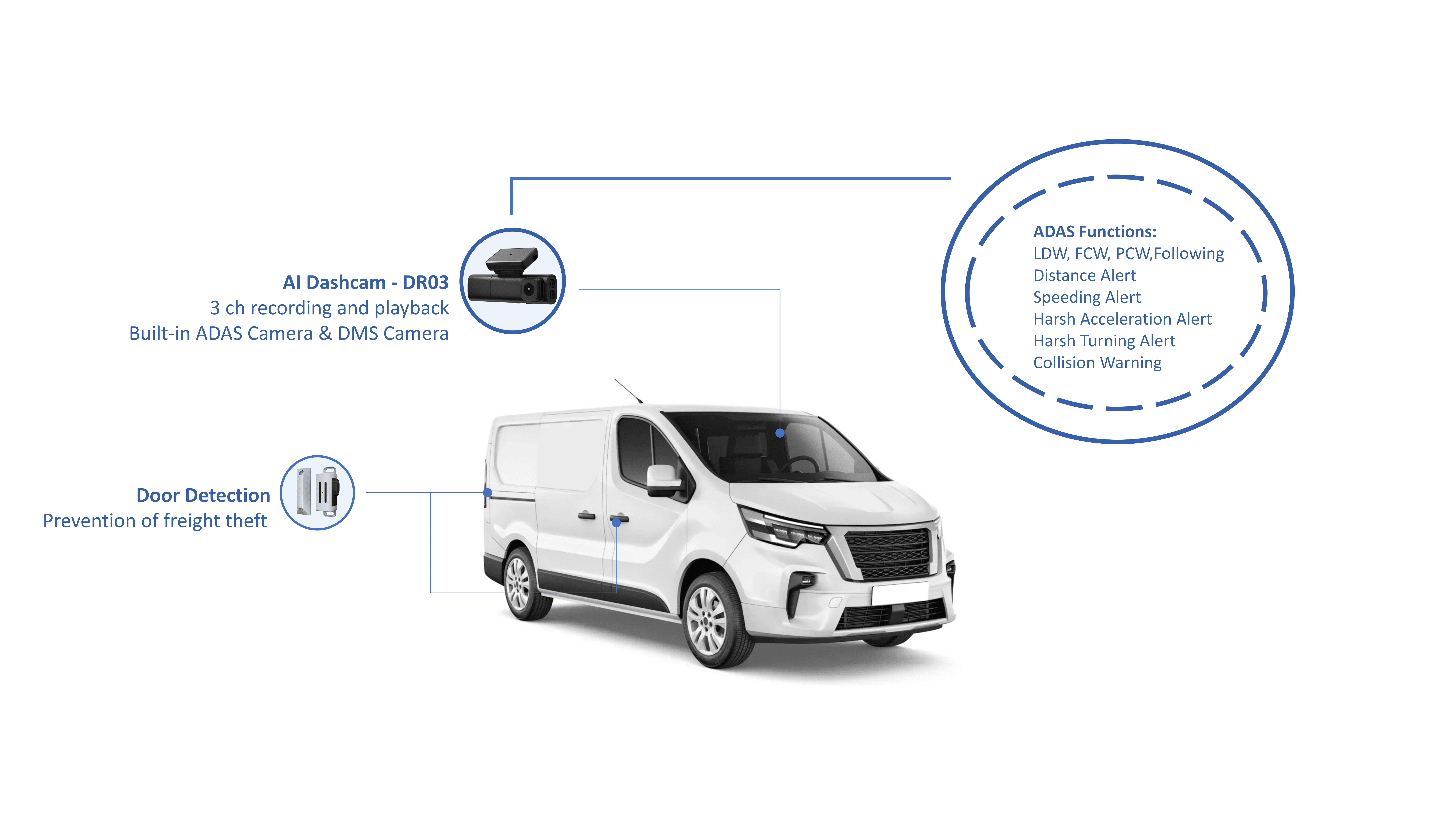
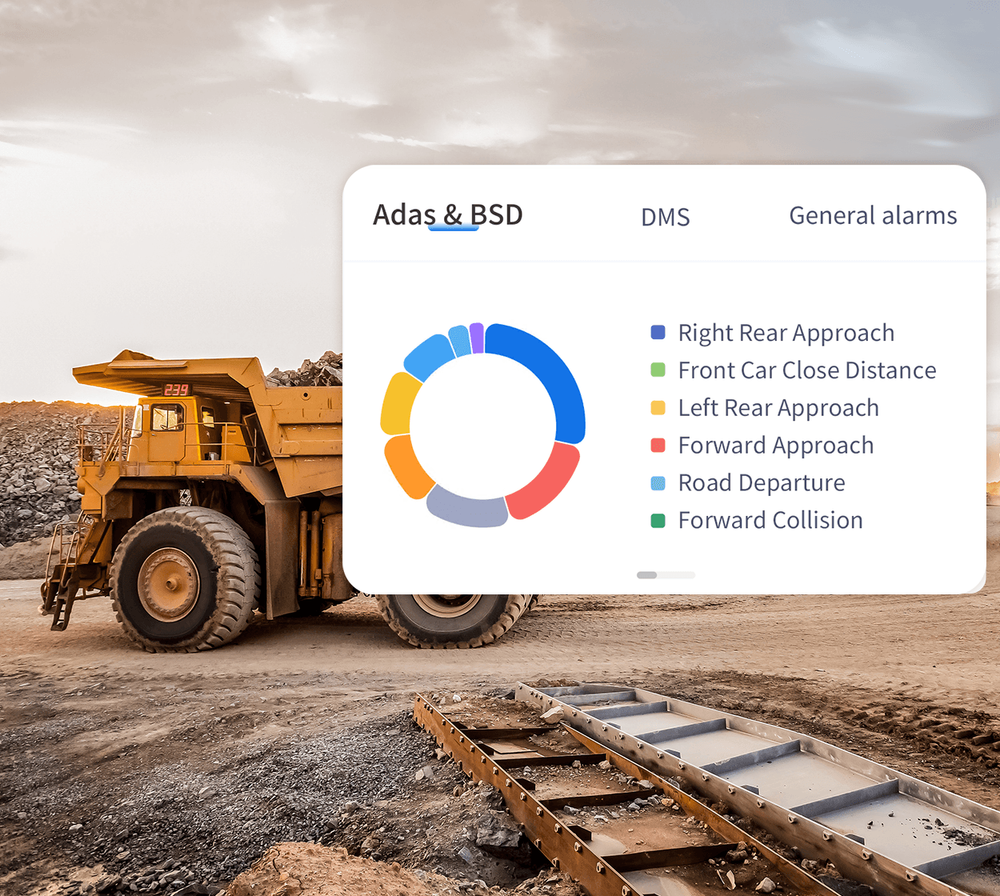
Crews need to know where vehicles are and what state they’re in. Delays in location or status reporting create risky blind spots on busy sites. Solutions:- Deploy GPS plus inertial sensors with geofencing on critical routes.- Stream telemetry into one dashboard that flags speed, grade, and proximity alerts.- Standardize alert severity so teams know which events require onsite intervention.A frequent mistake is flooding supervisors with low-value alerts. Tune thresholds with frontline input so alarms are meaningful.
Problem 3 — Human factors and inconsistent procedures
Poorly aligned human procedures cause more incidents than missing parts. The same rule may be followed differently across shifts. Reduce variability:- Create short, role-specific standard operating steps attached to each task.- Run monthly scenario drills that simulate common near-misses and require a corrective action.- Capture near-miss reports anonymously to remove retribution and surface trends.Operators who lead small, rapid debriefs after each shift reveal the small errors that otherwise compound into big events.
Problem 4 — Data gaps and fragmented systems
Data is only useful when it links to decisions. Many sites have sensors that don’t talk to work-order systems. Fix the leaks:- Consolidate critical feeds—location, engine fault codes, brake temp—into one platform for trend analysis.- Verify timestamps and unit identifiers to prevent mismatched records.- Use straightforward dashboards with layered access: supervisors get trends, operators get actionable tasks.For more structured toolsets that streamline those feeds into safety workflows, consider mining safety management solutions that prioritize operational clarity over dashboard complexity: mining safety management.
Problem 5 — Regulatory and documentation shortfalls
Regulators expect recorded evidence of inspections, training, and incident response. Gaps create risk and slow investigations. Practical tactics:- Keep digital, tamper-evident logs for inspections and training completions.- Map required documents to specific roles and audits.- Run quarterly compliance checks as independent spot audits, not team-led reviews.Common oversight: documenting compliance only after questions arise; continuous, short audits prevent that scramble.
Quick technical checklist for urgent wins
– Prioritize telemetry on brakes, coolant, and tire pressure.
– Implement geofencing for high-risk zones.
– Automate maintenance tickets from fault codes.
– Train supervisors to triage alerts and close the loop.
Start with these four fixes and iterate from measurable results.
Lessons from field experience and a real-world anchor
Practical experience shows simple systems that close feedback loops outperform complex platforms that sit unused. Lessons come from audits and incident reviews; the 2010 San José mine rescue underscored how coordinated monitoring, clear procedures and communication change outcomes. Use that perspective: prioritize clarity, preserve incident evidence, and practice the response until it becomes routine.
Common pitfalls teams make
– Over-automating without clear operator roles.
– Adding sensors without a plan to act on data.
– Treating software as a replacement for routine inspection culture.
Avoid these by pairing technology rollout with short, measurable operating rules and frontline coaching.
Closing synthesis
Mining fleet safety improves when specific problems are named and paired with simple, enforceable fixes: consistent inspections, meaningful telemetry, clear procedures, and joined-up data. That approach brings measurable reductions in incidents and clearer audits of actions taken. Field-proven systems and plain rules together deliver safety improvements teams can rely on — a practical path many operators take when they align people, processes, and the right monitoring tools provided by BSJ.
