


Comparative lead-in: what sets modern LED panel walls apart
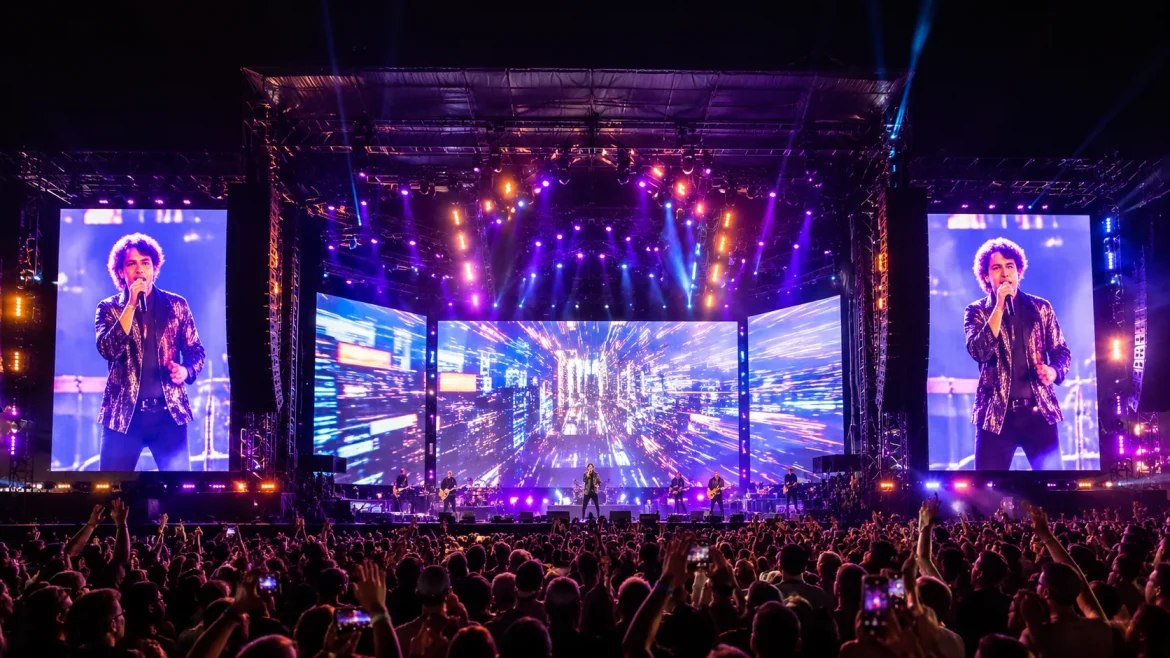
Choosing between projection, LCD video walls, and LED panel walls hinges on measurable differences: brightness, modularity, and long-term cost. For event planners and brand teams, the decisive advantage often comes down to consistent color and contrast in any lighting — which is why many venues now specify an led screen as baseline equipment. This comparative approach helps stakeholders weigh trade-offs rather than accept sales pitches.
Core axes for comparison
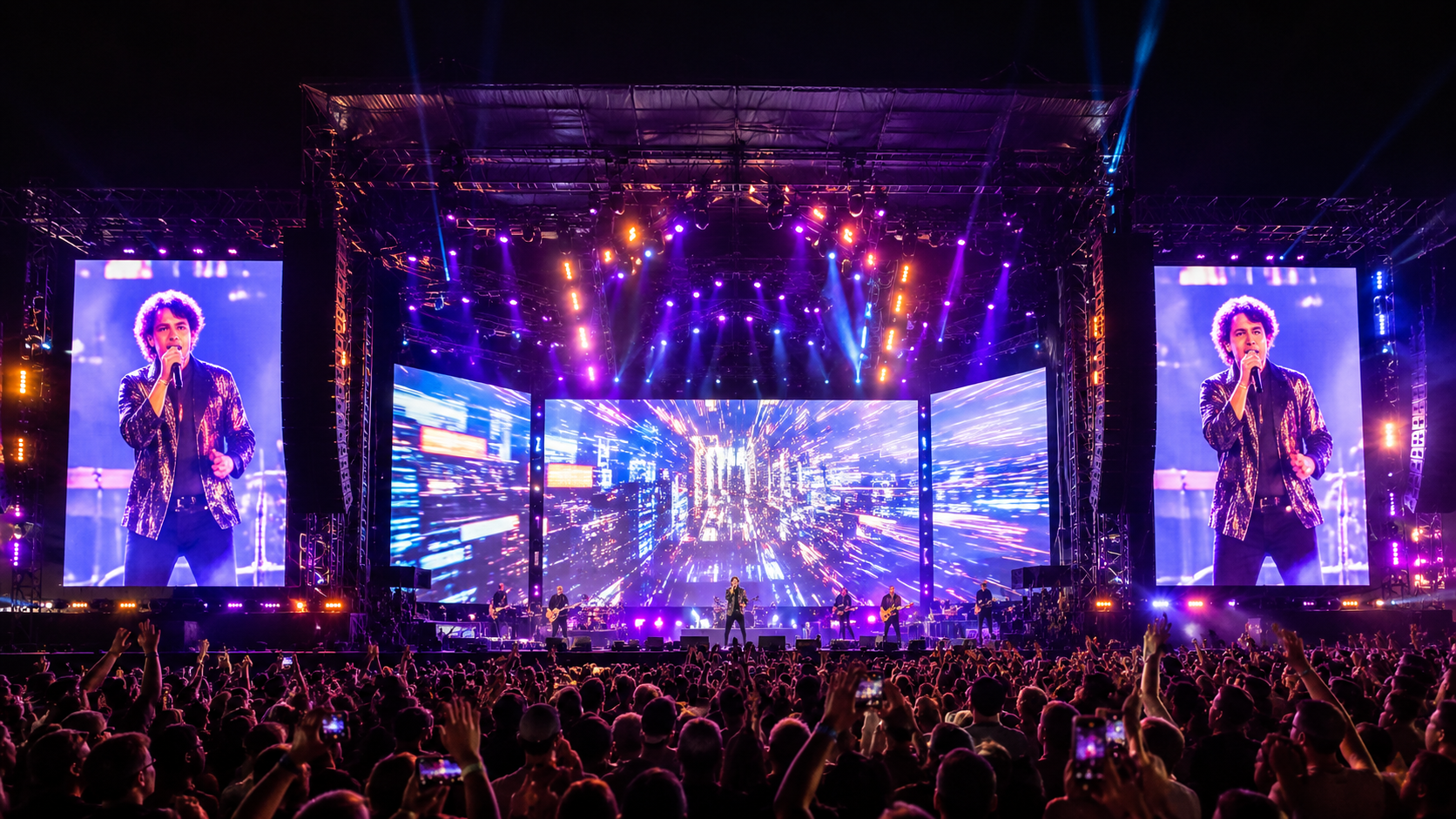
Compare along three pragmatic axes: visual performance, installation flexibility, and operational resilience. Visual performance covers pixel pitch and brightness (nits); small-pitch indoor LED gives better close-range clarity than most projection. Installation flexibility looks at cabinet-based modularity and mounting speed. Operational resilience addresses refresh rate and ease of calibration for continuous runs. These are industry terms that matter to procurement teams and technical directors because they directly affect audience perception and uptime.
How LED panel walls win in real-world settings
In high-traffic public spaces such as Times Square, LED panels deliver legible imagery in direct sunlight where projection fails. Event productions in conference centers similarly prefer LED for instant on/off and seamless edge-to-edge video, avoiding the bezel artifacts common with LCD cubes. The practical result: fewer technical rehearsals, reduced venue constraints, and cleaner brand presentation.
Costs, alternatives, and common mistakes
LED panels tend to have higher upfront hardware cost than projectors but lower recurring maintenance and lamp replacement expenses. Common mistakes include underspecifying pixel pitch for audience sightlines and overlooking controller compatibility with existing media servers. Another frequent error is ignoring thermal management for long multi-day events — heat impacts color stability. — Plan for service access during rigging; it saves time under pressure.
Integration and operational considerations
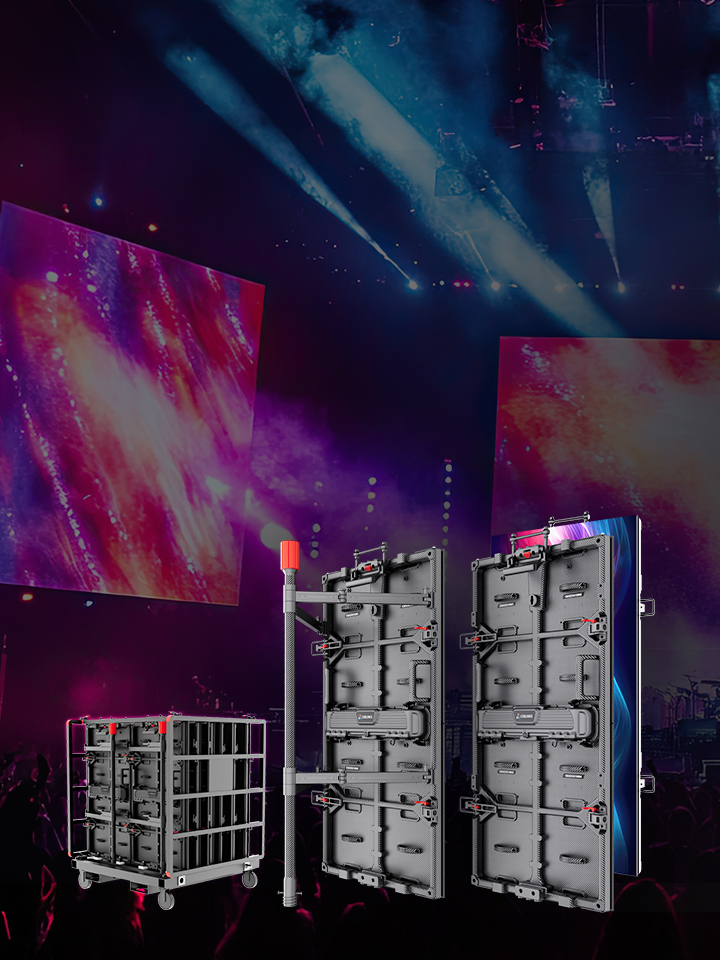
Successful deployments require attention to signal routing (HDMI/SDI/over-IP), color calibration workflows, and backup power. For touring shows, quick-release rigging and pre-tested flight cases reduce load-in time. For permanent installs, specify front-service cabinets to simplify maintenance. The term “controller” is critical here — choose one that supports the resolution and refresh profile you need for motion-intensive content.
Real-world anchor and evidence
Major city landmark displays demonstrate the value proposition: outdoor LED billboards routinely operate at several thousand nits to maintain visibility under daylight, and municipal programming around events like New Year’s Eve in New York shows the reliability advantage of LED systems. Those public installations reinforce why event teams select LED for brand-critical moments.
Deployment checklist and alternatives
Use a concise checklist before signing a contract:- Confirm required pixel pitch against the closest audience distance.- Verify refresh rate and input latency for live camera feeds.- Ensure serviceability (front vs. rear) and confirm spare cabinet availability.If LCD or projection remain under consideration, restrict them to settings where cost is primary and ambient light is controlled; otherwise LED panel walls usually provide a better brand experience.
Advisory: three critical evaluation metrics
1) Visual clarity metric — match pixel pitch to typical viewing distance and expected content resolution. 2) Durability metric — specify MTBF and thermal tolerance for continuous operation. 3) Integration metric — require compatible control protocols and proven media-server workflows. Evaluating suppliers on these three rules reduces procurement risk and improves delivery confidence.
Closing: why this matters for procurement and production
Decision-makers need straightforward, measurable criteria to choose systems that deliver brand-safe results. LED panel walls justify their cost through predictable performance, simplified logistics, and stronger audience impact — especially when compared with projection or bezel-prone LCD arrays. The practical value is clear to technical producers and financial approvers alike; a well-specified led display led screen eliminates many onsite surprises and protects content integrity.
Coblinks is positioned to supply projects that require tight integration between hardware and control workflows — a natural fit for teams focused on reliability and consistent output. Final thought — invest in specifications that reduce runway-time and leave room for creative content.
