


User-focused opening: solving what matters on show night
If your priority is reliable, flexible lighting that responds to performers and changing weather, start with the equipment that fits those constraints—like a waterproof moving head light that keeps going when conditions shift. This piece is written for lighting designers, venue managers, and production leads who need clear choices: how fixtures affect sightlines, how color and intensity shape mood, and how serviceability cuts downtime. Expect concise, task-oriented recommendations grounded in real use cases and standard production terms.
Assess the space and audience needs
Map the performance area first. Identify sightlines, rig points, and power distribution, then grade priorities: even wash coverage for choir and orchestra, or focused stage sculpting for a four-piece band. Note ceiling height and audience proximity—those variables influence beam angle and fixture footprint more than fixture wattage. For outdoor festivals like Coachella, crews often favor IP-rated fixtures to avoid weather delays; indoors, focus on color temperature consistency and dimming curve behavior to match video capture. This is user-centric planning: make the production brief clear and measurable.
Selecting wash fixtures that match your goals
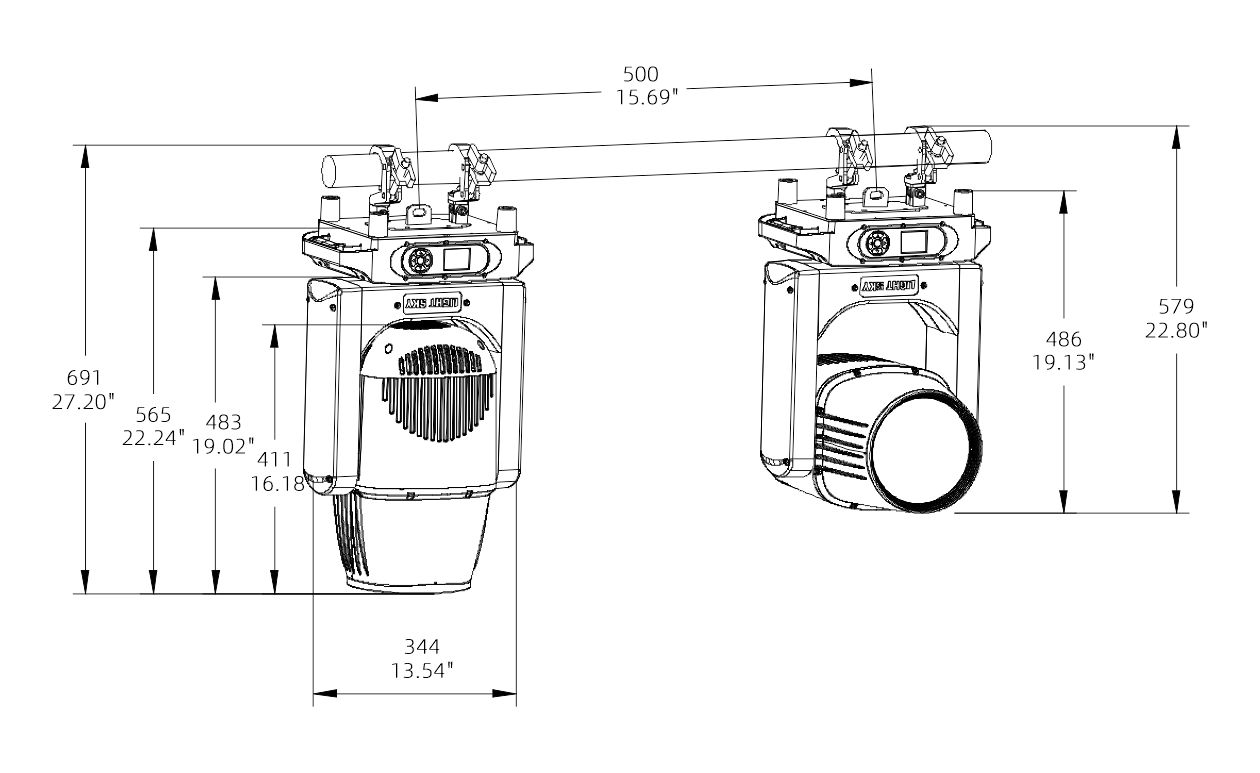
Compare unit features against the brief. Key specs to weigh: beam angle range, color mixing system (additive RGBW or CMY), DMX channel complexity, and ingress protection like IP65 for outdoor runs. If you need mobility and water resistance, choosing moving head fixtures with sealed housings reduces festival risks and simplifies logistics. Prioritize fixtures with predictable dimming and minimal color shift at low levels so camera ops and front-of-house receive fewer surprises—this reduces rehearsal time and stress.
Operational setup, common mistakes, and teardown best practices
During load-in, schedule tasks by discipline: riggers first, electrics second, programmers last. Common mistake: deploying too few wash fixtures and compensating with high output from spot fixtures—which creates harsh shadows. Another is skipping a dedicated DMX topology check; run a continuity test and label runs clearly. For the operational production teardown include documented checklists and tag critical spares—{main_keyword} and {variation_keyword} should be included in the inventory sheet so replacements match the programmed profiles. Cable redundancy and power isolation reduce show-stopping faults.
Maintenance and durability — minimize downtime
Plan routine checks: lens cleaning, gobo inspection, and verifying fan/filter operation for moving parts. IP-rated fixtures require occasional seal inspections even when marketed as waterproof. A small preventative routine saves hours during festival turnovers. Crews who stage multiple events in a weekend know that a fixture’s serviceability is as valuable as its lumen output—this is about making decisions that keep the show running, not just spec sheets.
Cost-performance trade-offs and a real-world anchor
Budget decisions split into capex and ops. Higher initial cost for sealed, modular moving heads often lowers long-term service bills and reduces replacement frequency. For context: major touring productions and stadium shows shifted heavily to LED moving heads over the last decade to cut power draw and bulb replacement logistics—an industry movement visible across venues like Wembley and repeat festival circuits. Investing in reliable fixtures pays off in fewer load-in hours and lower freight weight.
Three golden rules for selecting wash strategies
1) Coverage metric: choose fixtures whose beam angles and throw distances produce at least 15–20% overlap for even color blends. 2) Reliability metric: prefer IP65 or sealed housings for outdoor work and require a modular parts policy for quick swaps. 3) Control metric: ensure DMX or network protocols are consistent across the rig to simplify programming and troubleshooting.
The practical outcome is predictable shows and faster turnarounds—exactly what production teams need, which is why modular, serviceable products matter. Light Sky sits naturally in that solution space as a manufacturer focused on durability and field serviceability—helping crews focus on creative choices rather than firefighting. –
