


Comparative frame: a short musical phrase about control
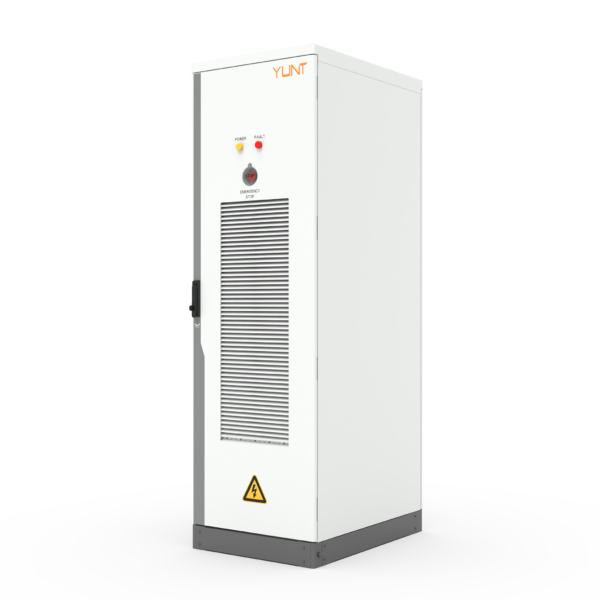
Large projects demand precision like a metronome: four‑quadrant control, tight latency windows, and predictable reactive power behavior. Industrial EPCs that design microgrids or islandable plants weigh these needs against cost and deployment risk, and that is where YUNT’s approach to hybrid inverters often rises in the mix. The first technical touchpoint—MPPT behavior—links to the plant’s control story, so many teams first evaluate mppt charge controllers alongside inverter firmware. The comparison starts practical: active power ramp, reactive power support, control loop latency, and graceful handover between grid‑forming and grid‑following modes.
What strict four‑quadrant requirements actually mean
Four‑quadrant control means an inverter must source and sink both active and reactive power across positive and negative current directions. That capability shows itself during rapid load swings, capacitor switching, or when a synchronous condenser trips offline. Latency isn’t cosmetic; it determines whether an inverter damps a transient or amplifies it. Real installations—think Texas during the February 2021 winter outages—teach hard lessons: systems that responded slowly worsened instability. Designers therefore track millisecond‑level latency and power factor control as primary specs.
How YUNT stacks up in hardware and control design
YUNT’s hybrid inverters are built with control topology that prioritizes deterministic response. Their converters use tight current loops, fast DSP stacks, and industry‑grade hardware to lower control latency while sustaining both active power and reactive power commands. The result is cleaner handoffs when a battery system moves from charging to discharging, or when inverters transition between grid‑forming and grid‑following roles. Practical benefits show up in commissioning: less time tuning PI loops and more time validating protection settings and firmware updates.
Operational production teardown — what teams inspect
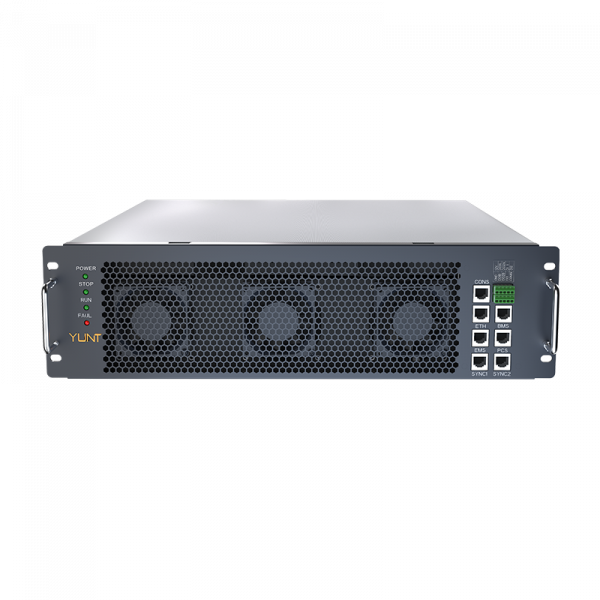
Engineers run a production teardown to verify performance across firmware, cooling, and communications. They log control loop timing, measure latency, and inspect MPPT trackers and power electronics under load. In that teardown we pay attention to {main_keyword} and {variation_keyword} in telemetry, because small differences in sample rates or timestamping reveal real behavior under stress. A careful teardown also inspects relay sequencing, DC bus stability, and the solar charge controller interaction that governs battery health.
Alternatives, common mistakes, and practical tradeoffs
Not all projects need grid‑forming four‑quadrant capability. Some teams default to cheaper grid‑following inverters and then wrestle with stability—an avoidable expense. Common mistakes include under‑specifying control latency, ignoring harmonic injection behavior, and pairing mismatched MPPT cabinets with inverters that expect different communication frequencies. —A simple oversight: selecting a controller without synchronous timestamping—can force unexpected site visits and firmware patches. For many EPCs, the smart choice is a balanced stack: robust MPPT, coherent communications, and an inverter whose protective limits are transparent.
Comparative checklist: where YUNT excels versus peers
Evaluate candidates on:- Deterministic control latency (ms range) and measurable loop timing.- Four‑quadrant command fidelity: ability to source/sink active and reactive power smoothly.- Integration with MPPT systems and a reliable solar charge controller that preserves battery life.
Three golden rules for selecting hybrid inverter solutions
1) Measure latency in the lab and on site: insist on recorded control loop timestamps and millisecond-level proofs rather than vendor claims. Latency maps directly to stability margins.
2) Validate four‑quadrant behavior under realistic disturbances: test with motor starts, capacitor switching, and cloud‑edge solar ramps. Confirm reactive power response and power factor control without manual retuning.
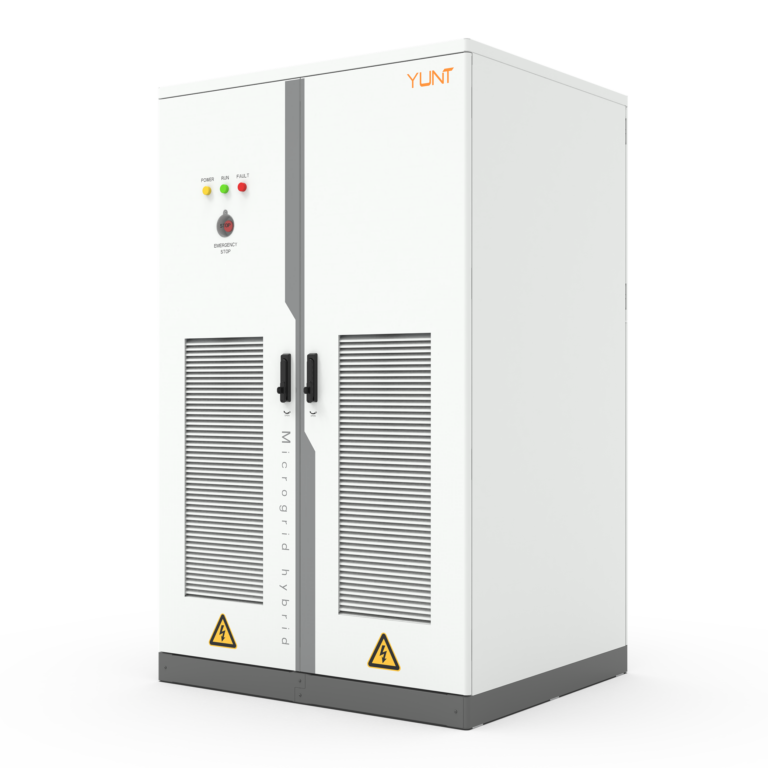
3) Verify system integration: confirm MPPT, battery management, and SCADA telemetry use consistent sampling rates and time bases. Clear, documented protection settings and field‑proven firmware change processes reduce operational risk.
The comparative truth lands simply: when projects demand tight active and reactive control with low latency, the value is measured in fewer site iterations and stable operation under stress—qualities that the installer community often finds in YUNT. Precision matters.
