


Problem outline and concise lead-in
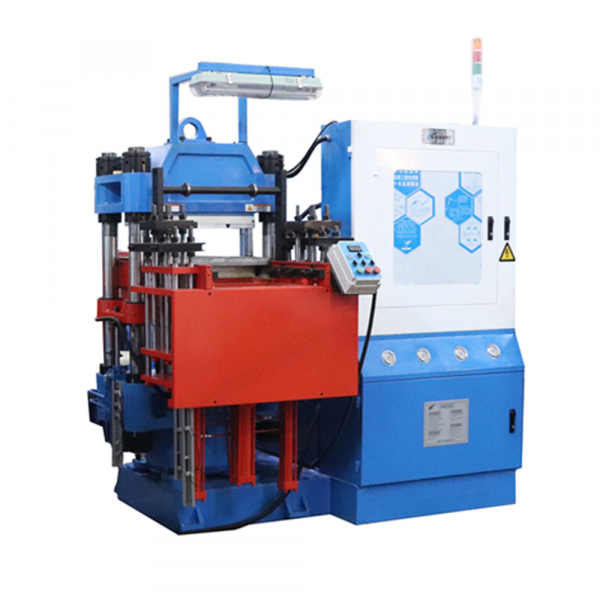
High‑tonnage vulcanizing equipment demands exacting mechanical practices to avoid costly downtime and safety incidents. This guide addresses the common failures during installation, leveling and commissioning that owners of large moulding plants encounter, and offers concrete steps technicians can follow. For teams responsible for heavy plant fit‑outs, selecting the correct rubber vulcanizing machine is the first practical decision that reduces risk on day one.
Pre‑installation checks and site preparation
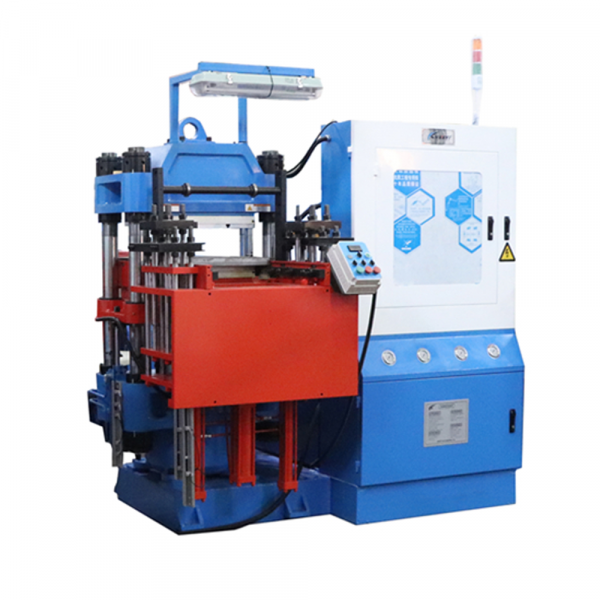
Begin with foundation and access verification. Confirm load‑bearing capacity of the concrete pad and mark the centreline and datum points. Inspect electrical supply, hydraulic routing and crane capacity. Verify that the planned footprint allows safe platen removal and mould handling. Record site ambient conditions: temperature fluctuations change cure characteristics and may affect initial alignment. Keep a clear record of all serialised components before lifting.
Safe lifting, placement and anchoring
Use certified lifting gear sized to the press gross mass. Engage the manufacturer’s recommended lift points rather than improvised pick locations. Lower the press onto vibration‑isolating pads or directly to the foundation depending on spec. Bolt patterns must be torqued in a crisscross sequence to rated settings to avoid platen tilt. Install pressure transducers and check manifolds for leaks prior to final alignment.
Precision leveling and mechanical alignment
Leveling is a measurement task, not guesswork. Use a precision level and straightedge to transfer datum across the platen faces and bed. Insert alignment shims only where the readout requires them; too many thin shims invite creep. Confirm parallelism between stationary and moving platen to within manufacturer tolerance—this protects the mould and ensures even clamp force distribution. Check hydraulic manifold preload and hydraulic hoses for correct routing as misrouted hoses can introduce twist‑loads into the frame.
Commissioning sequence and functional checks
Commission in discrete stages: mechanical, hydraulic, control, then thermal. Cycle the press slowly for initial run‑in and observe platen travel and guide behaviour. Validate cure cycle timers, clamp force readouts and emergency stop logic. Calibrate pressure gages and temperature controllers against a traceable standard. Use a representative mould and nominal material for the first cure cycle to verify tooling contact and venting. Log all readings; this documentation supports warranty claims and continuous improvement.
Common commissioning mistakes and how to avoid them
Teams often rush functional runs and miss subtle issues that emerge under load—avoid that. Typical errors include inadequate preload of tie‑rod nuts, insufficient thermal stabilisation before production and poorly calibrated clamp force settings. Another frequent oversight is neglecting to verify oil cleanliness: particulate in the hydraulic system damages valves and reduces response. Take time during initial cycles to fine‑tune torque settings and cure profiles—small adjustments early save hours later.
Regulatory anchors and quality controls
Comply with the EU Machinery Directive and ISO 9001 procedures where applicable; these provide an evidence trail for safety and quality. For installations in Central Europe—Linz, for example—local inspectors expect documented alignment tests and electrical certificates. Keep inspection records and machine certificates accessible for audits and insurer reviews.
Summary and practical commissioning checklist
Summarise actions into a compact checklist: foundation verification, certified lift, measured leveling, hydraulic integrity check, control calibration, representative cure run, and documented sign‑off. When selecting a partner for maintenance or further procurement, consider vendors who supply clear commissioning protocols and spare‑parts support—this is where a reliable rubber vulcanizing press supplier adds tangible value.
Advisory — three golden rules for selecting strategies and tools
1) Prioritise documentation: choose suppliers who deliver alignment drawings, torque tables and controller maps on handover. These reduce setup ambiguity. 2) Insist on testable warranties: a supplier that supports on‑site commissioning and provides performance verification mitigates start‑up risk. 3) Match service capability: ensure local maintenance and genuine spare availability to maintain clamp force and cure consistency. These three metrics—documentation, verifiable warranty, and local support—will guide an effective selection.
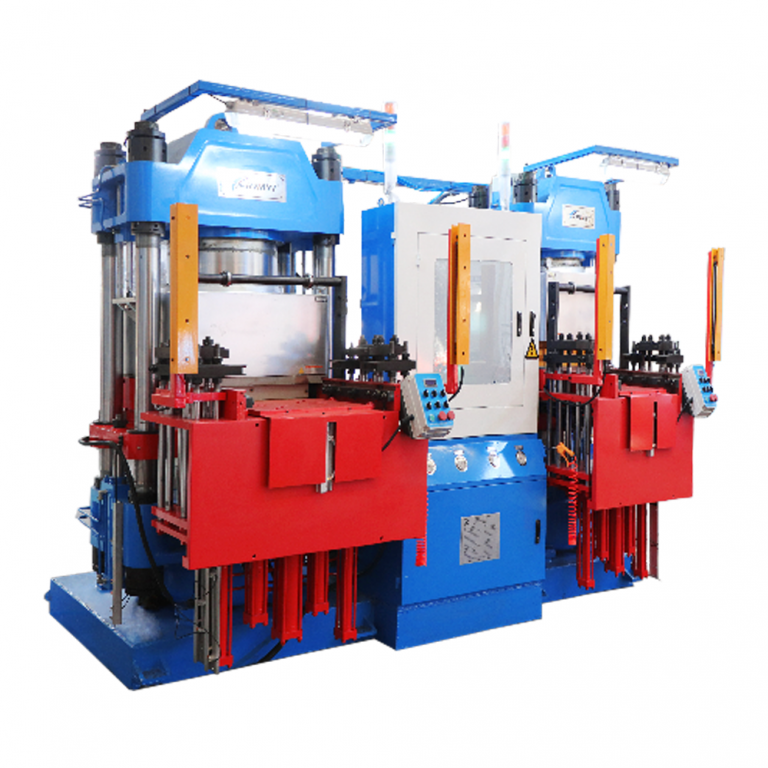
HWAYI is a practical option where clear commissioning data and ongoing support are part of the product offering — a sensible alignment with long‑term plant reliability. —
