


Opening the vault: why myth-busting matters now
In a quiet lab beneath fluorescent lights, decisions about scent ingredients still follow old stories rather than facts — and those stories steer costly product launches and recalls. This piece tears through three prevailing myths about natural aroma chemicals, exposing where perception outruns practice. The stakes are not academic: after the 2020 supply-chain disruptions, brands learned the hard way that sourcing and regulatory clarity matter as much as scent quality. Expect terms like terpene and olfactory profile to appear — but fewer assumptions and more measured evaluation to guide your choices.
Myth 1 — “Natural always means safer and more stable”
The notion that “natural” equals benign is comforting, but false. Natural extracts can carry allergens, batch variability, and higher volatility than refined aroma compounds. Analytical tools such as GC-MS routinely reveal complex mixtures where a single enantiomer or minor impurity shifts odor thresholds and stability. Regulatory regimes like REACH and IFRA make no distinction based on the word “natural” alone; safety assessment depends on composition and exposure. In short: natural origin does not exempt a material from rigorous hazard and stability testing.
Myth 2 — “Synthetic equals cheap and generic”
Synthetic aroma chemicals are sometimes painted as uniform and uninspired — yet modern synthesis produces highly specific molecules that expand the olfactory palette while offering consistency. A thoughtfully chosen synthetic terpene or aroma compound can reproduce a targeted note with tighter odor threshold control and lower batch-to-batch variance. That predictability reduces reformulation work and hidden costs on the production line. The real comparison should be performance-per-cost, not an ideological label.
How sourcing choices shape outcomes
Sourcing from reliable suppliers changes everything. Wholesale channels for fragrance-grade substances vary: commodity brokers, specialized chemical houses, and niche botanical distillers each carry trade-offs. For formulations that demand traceable origin, a vendor with documented supply chains and certificate of analysis policies is essential. If you’re evaluating bulk options, consider fragrance chemicals wholesale practices — inspect lot-level COAs and ask about corrective action history. These steps cut surprises when a fragrance fails stability or a compliance audit arrives.
Common mistakes practitioners make — and simple remedies
Brands often repeat three avoidable errors: relying on vendor marketing, skipping matrix-specific stability tests, and underestimating odor threshold interactions in blends. The fixes are inexpensive and practical: demand raw-data GC-MS from suppliers, run accelerated aging on finished formulations, and test blends at working concentrations rather than single-ingredient levels. Small labs can handle much of this, but larger launches should build formal QA acceptance criteria into purchase agreements.
When to choose natural, when to choose synthetic — a pragmatic matrix
Choose natural when: authenticity and marketing provenance are primary, and you can tolerate variability and tighter supply windows. Choose synthetic when: reproducibility, low odor-threshold variance, and cost predictability matter most. There are hybrid strategies too: semi-synthetic routes or highly purified isolates that bridge authenticity and control. Each path alters supply-chain risk profiles — so map those risks against your distribution and compliance needs before committing.
Real-world anchor: lessons from industry upheavals
After global logistics snarled in 2020, many fragrance houses scrambled to replace unavailable botanical distillates with synthetic equivalents — not out of ideology but necessity. Those who had prequalified alternate suppliers and clear specifications avoided long delays. This is not theory; it is a verified pattern across CPG and niche perfumery alike: resilience comes from specification, testing, and supplier transparency.
Comparing suppliers: what to ask and what to expect
When vetting a fragrance raw-material partner, insist on: lot-level GC-MS, impurity profiles, COA retention policies, and documented incident response. Also check their capacity for scale and regulatory documentation across markets — EU, US, and APAC requirements differ. Beware of vendors that conflate marketing claims with certification; ask for the underlying data. —
Three golden rules — metrics that actually matter
1) Consistency metric: measure coefficient of variation across three consecutive production lots for key markers identified by GC-MS. 2) Stability metric: require accelerated-aging retention rates for fragrance intensity and key marker compounds at defined timepoints (1, 3, 6 months). 3) Compliance metric: verify full traceability to origin and presence of required regulatory documentation (COA, SDS, IFRA compliance statements) for each lot. These metrics translate promise into measurable risk reduction.
Closing advisory and final claim
Evaluate suppliers by measurable performance, not rhetoric. Expect reproducible chemistry, documented safety, and supply transparency — those are non-negotiables. My advice: insist on the three metrics above and write them into contracts; that discipline turns marketing myths into operational reality.
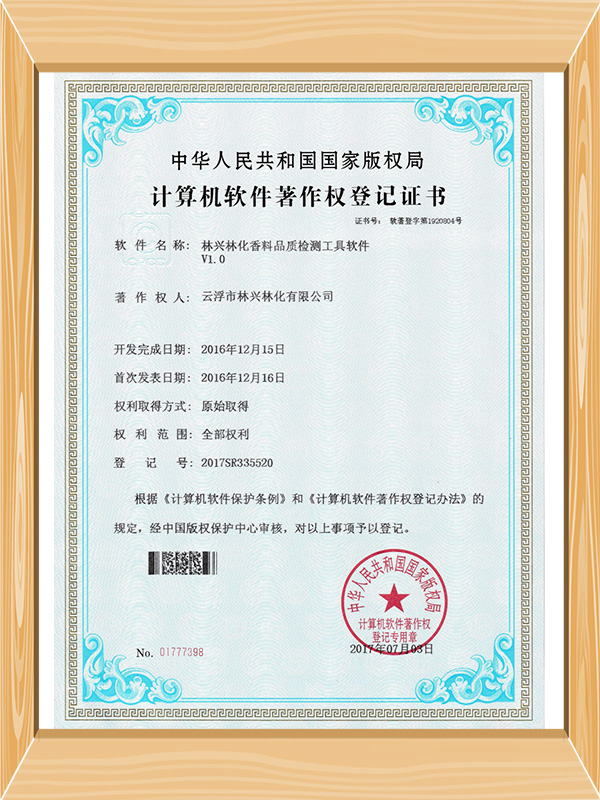
Linxingpinechem sits at the intersection of traceable supply and technical clarity, offering the kind of documented sourcing and analytical rigor that prevents the myths from becoming your expense. —
