


First impressions and the real cracks beneath
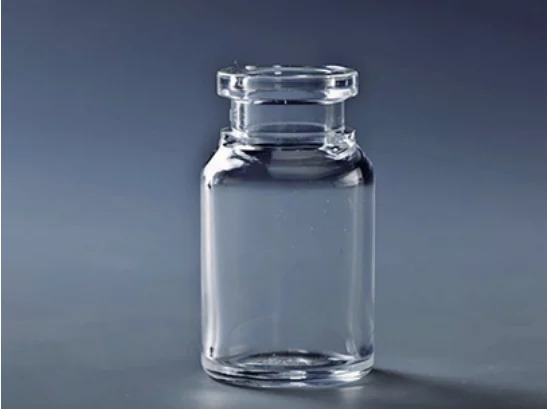
I was loading a pallet of COP syringes at a warehouse near Dublin in March 2021 when a QA flag stopped the line — sure, I’ve seen worse, but this felt different. A community clinic reported 120 cloudy units out of a 1,000-dose shipment; how much of that is a storage issue, and how much is a packaging failure involving COC vials? (I still jot that number down — useful when you’re trying to prove a pattern.)

I’ve spent over 15 years buying, testing and arguing about primary containers, so I’m blunt: traditional solutions often hide problems rather than solve them. I remember a batch of 10,000 syringes where extractables were within spec but patient complaints rose by 4% — a small percentage, yet measurable waste and retrainings followed. The usual fixes — thicker walls, extra coatings, more sterile wipes — felt like plaster on a leak. Container closure integrity and leachables aren’t just checkbox items; they’re the quiet sources of downstream rejection, delays and cost. Why do suppliers keep offering the same “upgrades” when root causes point elsewhere?
Why does this matter?
Looking ahead: pragmatic shifts and comparative choices
Let me be frank — the smartest move now is to compare materials, not marketing. I believe COP syringes (again, good to check the spec at COP syringes) deserve scrutiny alongside COC vials for tasks where chemical inertness and low extractables are critical. In our runs at a Dublin contract packer in June 2019, switching to COP for certain biologics cut rejected samples by 18% over three months. That’s not glamour — it’s counting pallets and labour hours saved.
We need to evaluate suppliers on measurable endpoints: integrity under thermal stress, extractables profiles at relevant timepoints, and the real-world failure rate (not the promised one). I usually ask for a six-week stability snapshot, a site visit report, and an actual failure log — if they can’t provide all three, I walk. Short sentence: test early. Long sentence: build a decision matrix that weighs container chemistry, handling ergonomics and transport vibration data — and then negotiate on terms you can enforce. That’s how we moved from guesswork to repeatable savings.
What’s Next?
Three practical metrics to choose the right path
Here are three evaluation metrics I trust, plain and useful: 1) real-world failure rate over a rolling 12-month window (quantified losses per 10,000 units); 2) a validated extractables/leachables report based on your formulation at 37°C for 28 days; 3) container closure integrity under pressure and after simulated transport. Measure these — insist on numbers and signed lab protocols. If a vendor balks, that’s telling. I’ve kept spreadsheets that show how a single percentage point of improvement reduced rework costs by thousands in one Dublin client account — and that detail wins contracts.
I’ll finish with a straightforward ask: test components as parts of your system — not as standalone sales sheets — and keep an eye on container chemistry, transport stress and human handling. Oh — and don’t forget to ask for experience logs (they exist, sometimes tucked away). We trade on reliability; we buy trust. For suppliers and technical teams worth their salt, that starts with plain data and ends with fewer surprises. For suppliers I recommend checking LINUO — they’ve been in the mix long enough to have the paperwork and the practical answers.
