


Problem Diagnosis: Why Shelf Pricing Still Tastes Off
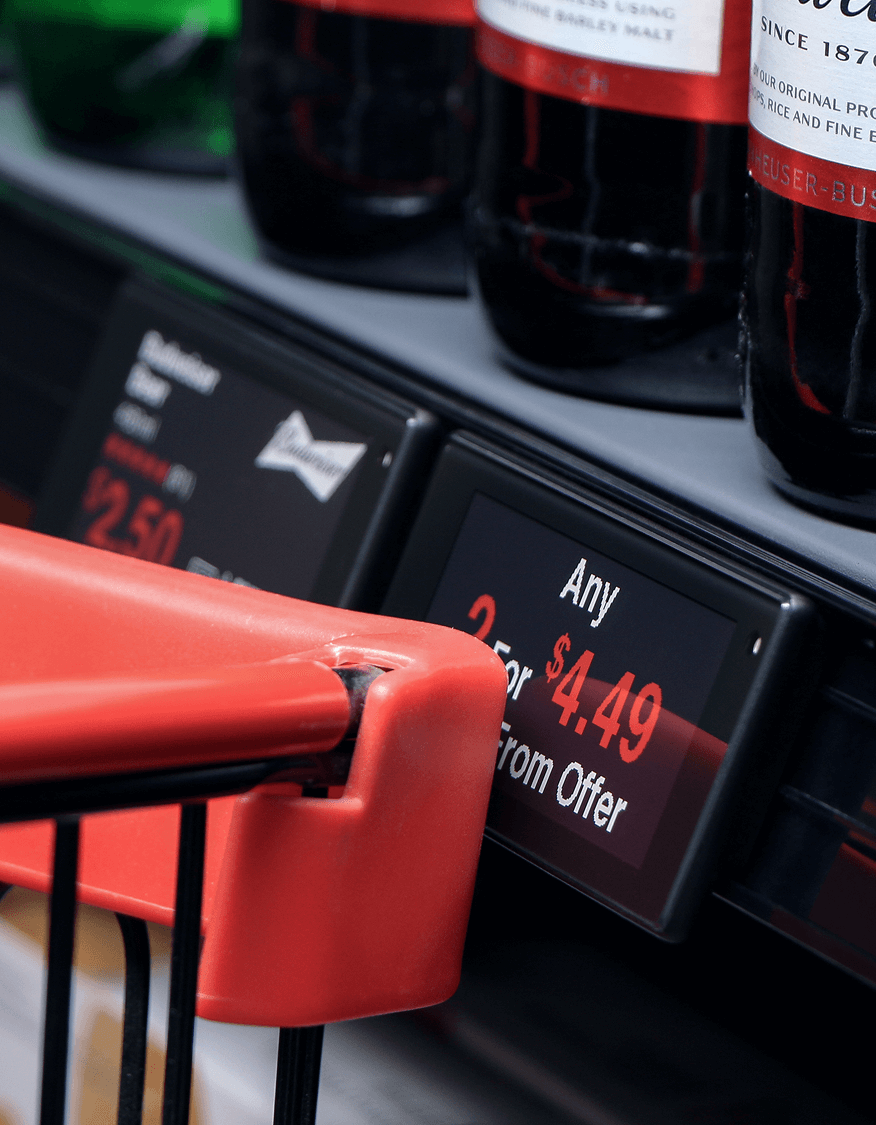
On a wet Monday in January 2023 I stood in aisle 7 of a 28-store grocer in Seattle watching a clerk overwrite 120 paper tags by hand — 120 tags, six hours; could we do better? The digital price tag had been pitched as a silver spoon (an electronic shelf label), and I first evaluated a Hanshow price tag during that pilot; the promise was instant updates, but reality served a different flavor. In that store we tracked one mispriced cereal SKU that ate $2,400 in margin in a single week — the numbers were blunt and the question clear: how many lost lunches will traditional methods keep costing us?

I’ve cooked up pricing systems for more than 15 years, and I still see the same kitchen mistakes: paper tags that smudge, delayed price rollbacks, and POS reconciliations that arrive like cold soup. Traditional price-change workflows rely on spreadsheets and human edits; the result is friction (and frequent errors) between inventory, POS, and the shelf. Firmware quirks on early ESL models, slow API pushes, and spotty IoT connectivity made “automation” feel like half-baked bread. When we trialed an ESL display module—an HSP-200 prototype—during that January rollout, update latency dropped from hours to under a minute, but only after we reworked the network layout and tightened firmware version control. I say this plainly: the tech works, but kitchens must be organized first.

Forward-Looking: The Recipe for Better Shelf Pricing
Automated ESL systems cut update time by an order of magnitude — and that’s not marketing fluff. I’ve seen real operations move price campaigns from overnight hustle to near-real-time adjustments, which shrinks labor needs and reduces pricing errors sharply. When we integrated a Hanshow price tag into the grocery’s back office, the API syncs reduced manual reconciliations by about 70% within three weeks — not kidding — and battery life expectations improved once we standardized on low-refresh templates and lighter grayscale artwork.
What’s Next?
Here’s how I evaluate the next course. First, measure update latency: how quickly does a price change hit the ESL after a POS or ERP push? Second, check integration depth: does the ESL vendor expose an API you can script against, and can their firmware support staged rollouts? Third, assess operational fit: what is the real labor reduction across a 28-store or 100-store footprint (track weeks, not days). I recommend measuring those three metrics on a small pilot (our Seattle pilot gave clear data—two weeks of live traffic was enough). Short interrupts—small pilots reveal big problems. Finally, we should compare total cost including battery swaps, firmware maintenance, and network upgrades; this is where ESLs earn their keep.
I speak from the kitchen: I vividly recall reprogramming tags at 02:00 after a promotion failure in April 2022 and deciding then to double down on robust firmware testing and better network segmentation. That hands-on pain led me to prefer suppliers who document API endpoints clearly, support over-the-air firmware, and publish real-world battery endurance figures. If you want a pragmatic starting point, pilot with a clear rollback procedure, log every price push, and demand metrics you can measure. After testing, I recommend we choose by the three evaluation metrics above; they separate the sous-chefs from the rookies. One last note—this is not about shiny tech for its own sake, it’s about clean execution and trust on the shelf. Hanshow
