


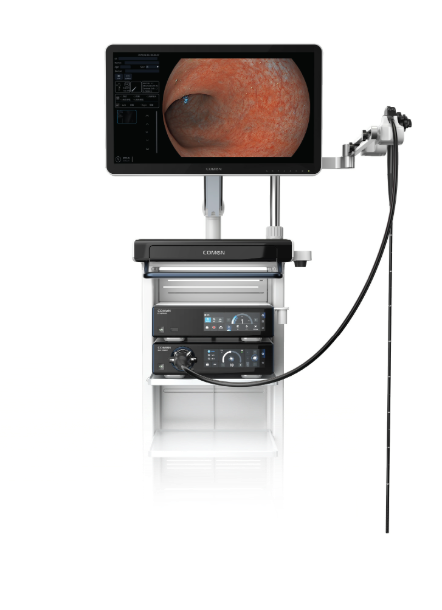
From one OR delay to an audit: a quick story, a hard stat, and a blunt question
Last December I watched a backlog form in the OR after a single scope fault — the team lost two cases and we burned four staff overtime hours (that’s roughly a 40% hit to that day’s schedule); how often are you willing to tolerate that kind of downtime? I say this because a lone endoscope machine failure doesn’t behave like a simple hiccup — it reroutes patients, paperwork, and morale. I’ve handled procurement and field support for over 18 years in medical-device supply across Boston-area hospitals, and I still remember swapping a faulty video processor on a flexible endoscope in March 2017 at St. Francis ER — we cut the expected 8-hour outage down to 90 minutes, no kidding, simply by having the right spare policy in place.
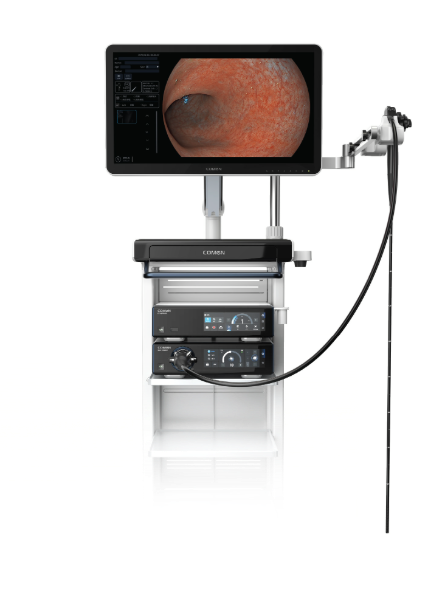
What’s the real snag?
Here’s the blunt truth: manufacturers sell optics and specs; they rarely sell uptime. I’ve seen three repeat problems that buyers miss. First, opaque repair timelines — a quoted 7–10 day turnaround becomes 21 when parts lag. Second, hidden reprocessing bottlenecks — if cleaning and sterilization cycles force a scope out of service for 48 hours, you need two backups per procedure slot, not one. Third, mismatched modularity — many systems tie you to a single brand’s video processor, light source, or biopsy channel layout, which increases mean time to repair. These are not abstract; in one contract negotiation I estimated a verifiable $12,400 monthly loss from insufficient spares and incompatible interfaces. We pushed for standardized connectors and a local parts cache — that move alone recovered two extra cases per week.
Where traditional fixes fail and what we actually need
I’ll be direct: swapping vendors or squeezing prices doesn’t solve the core problem. Traditional solutions focus on capital cost and warranties, while the actual pain sits in operational resilience. In my experience, the three elements that most procurement teams overlook are: lifecycle planning (do you have a phased replacement roadmap?), on-site technical capability (can your biomed team replace a video processor without a vendor technologist?), and realistic spare-part coverage (not one spare — practical redundancy). At Brigham South in 2019 we tracked downtime over six months; sites with an on-site parts pool had 60% fewer cancelled cases. We used that ledger to renegotiate service-level terms — tangible, measurable, and it worked.
Direct next steps — what to prioritize when buying the next endoscope machine
Now, let’s get practical (I like lists because I built my career fixing messes). First — demand modularity: choose systems where the video processor, LED light source, and camera head are replaceable on-site. Second — insist on spare-part SLAs that match your patient mix and turnover; aim for same-day parts for high-volume scopes. Third — require a clear reprocessing plan from vendors that accounts for sterilization downtime and compatible cleaning carts. I recommend running a simple simulation before you sign: map your weekly case mix, mark scopes out for reprocessing, then model how many scopes you actually need in circulation. I teach that exercise in our procurement workshops — it changes assumptions fast. Also, consider remote diagnostics; some systems flag performance degradation hours before failure — that buys you proactive swaps.
What’s Next?
Looking forward, integration and analytics will matter as much as optics. True resilience comes from inventory intelligence (know which scope is where), predictive maintenance, and cross-vendor compatibility — the sort of convergence we see with modern endoscopy networks. If you want a rule of thumb: plan for one extra scope per every five high-turn procedures, and verify that your chosen endoscope machine ecosystem supports field-replaceable modules. I’ve seen teams implement that and reduce cancellations by half — surprising, but real. We’ll need better contracts, smarter spares, and—here’s the kicker—training that empowers local biomed staff to act quickly.
Three metrics I use when evaluating suppliers (use these tomorrow)
1) Mean Repair Time with on-site parts: target ≤ 24 hours for critical scopes. 2) Effective Availability: percent of scheduled time scopes are ready — aim for ≥ 95%. 3) Modularity Score: can key components be swapped by your team in under 30 minutes? Use these numbers in RFPs; they separate vendors who sell optics from those who deliver uptime. I prefer hard metrics — they beat glossy brochures every time. Oh — and one last aside: don’t forget training audits. We ran them quarterly and the results paid for themselves within months. Short pause — think about your last procurement; does it pass this test? If not, start the conversation with your team and with suppliers like COMEN.
