


Introduction
At its core, a fume extraction system removes hazardous air from a workspace and returns breathable air — a simple idea, but the details matter. In practice, fume extraction companies face competing priorities: capture efficiency, energy draw, and maintenance cost, and recent surveys show up to 40% of installations underperform their design targets (that’s a lot of lost clean air). So what actually separates a reliable system from one that looks good on paper but fails on the shop floor? I want to walk you through the key differences and help you spot meaningful metrics before you buy.
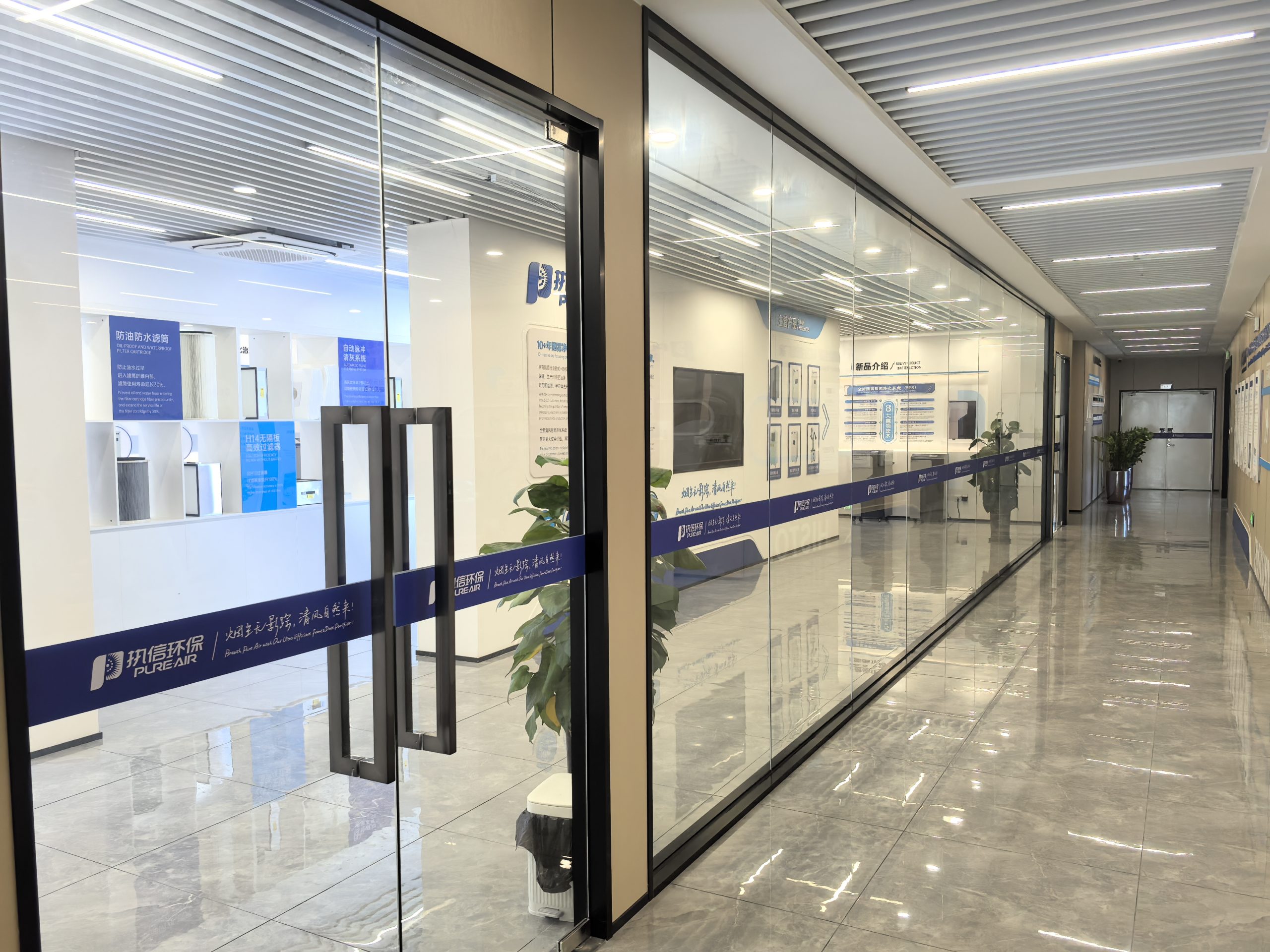
Why Many Fume Collector Suppliers Miss the Mark
fume collector suppliers often sell equipment based on headline numbers — airflow cfm, static pressure, nominal filter class — but those figures can hide real-world flaws. I see this all the time: a unit rated for X cfm hits that number in a lab, yet fails to control welding smoke in a multi-bay shop because of poor duct design and weak airflow control. Look, it’s simpler than you think: capture hood design, system balance, and filter selection matter more than a single maximum cfm spec.
Directly put: manufacturers sometimes understate operating quirks. Filters clog faster than advertised if pre-filtration and particulate loading aren’t matched to the process. HEPA filters and activated carbon beds are excellent — when specified for the contaminant profile — but they add pressure drop and boost fan power. That means more runtime on inverters and power converters, and higher energy bills. We need to ask: who is modeling particulate loading, and who is accounting for seasonal humidity that changes filter life? Small oversights compound. If you’re vetting suppliers, probe lifecycle performance, not just initial efficiency. (And ask about real-world service intervals.)
So what’s the root cause?
New Technology Principles for Better Outcomes
Looking ahead, the most promising systems blend smarter controls, adaptive filtration, and system-level thinking. I encourage teams to evaluate solutions that use edge computing nodes to monitor particle trends in real time and adjust fan speed or trigger staged filtration. When fume collector suppliers like fume collector suppliers incorporate sensors at capture points, you get data that ties performance to process — not just a generic spec sheet. This lets you reduce over-venting and energy waste while keeping capture where it matters.
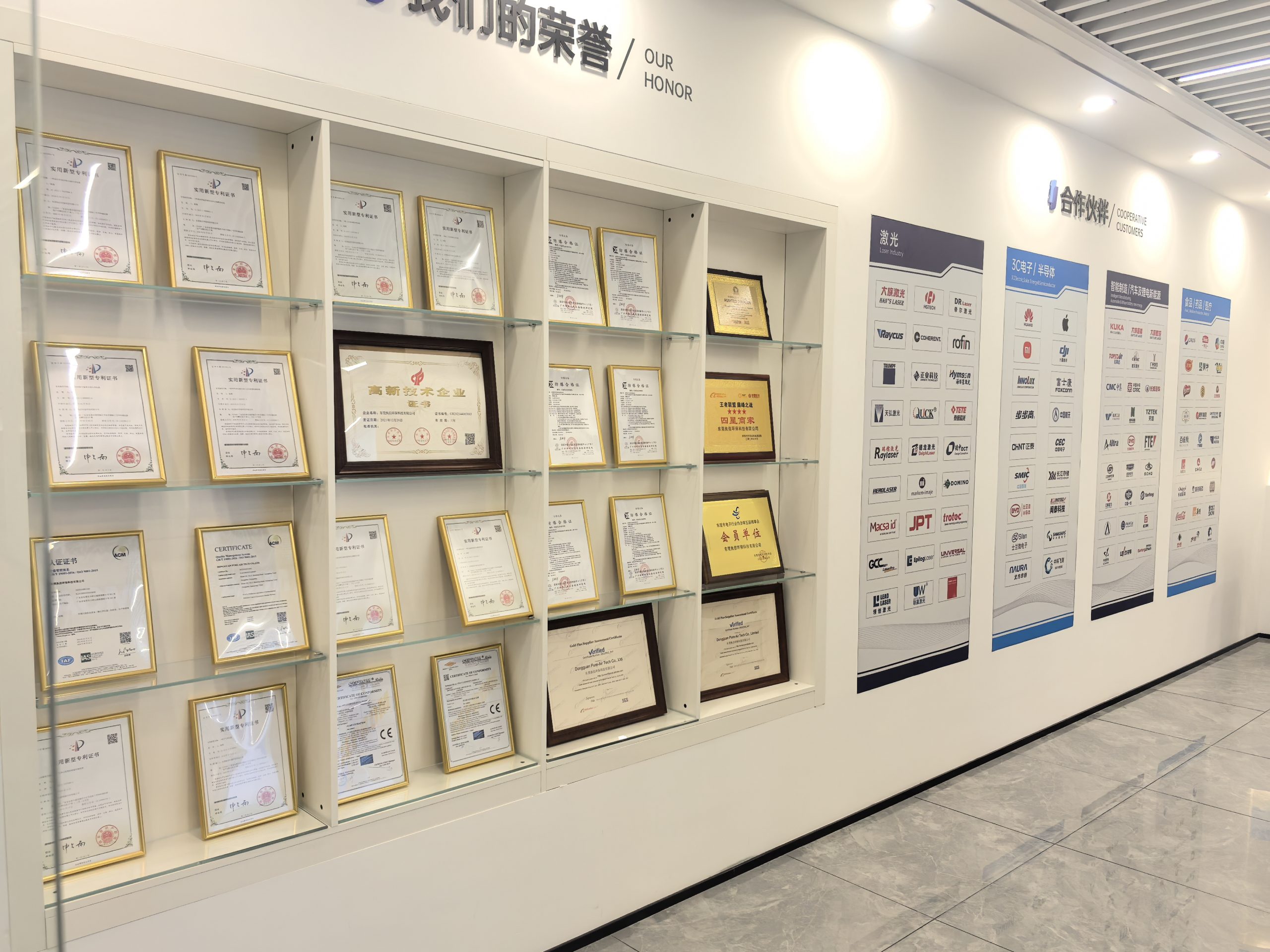
Technically speaking, prioritized design features include dynamic airflow maps, modular cartridge swaps, and integrated scrubber or fabric filter options for heavy particulate loads. Power converters should be sized to tolerate frequent speed changes without shortening motor life. We’re not reinventing filtration; we’re adding intelligence and resilience — funny how that works, right? Hold that thought: practical pilots often reveal mismatches between control logic and operator routines, so include operator training in any rollout plan. Below are three quick metrics I use when advising clients:
1) Real-world capture efficiency at the hood (measured over a production shift). 2) Energy-per-cubic-foot removed (kWh per 1000 ft³). 3) Mean time between service events for filtration and fans. These metrics—simple, measurable—cut through marketing claims and show true operating cost. For manufacturers and plant teams, I recommend running a short trial and logging particle counts and power draw; the numbers will tell the story.
Conclusion — How to Choose with Confidence
We’ve unpacked why spec-driven buying can fail, drilled into hidden pain points around filters and system balance, and sketched how smarter controls and targeted sensors improve long-term outcomes. In short, don’t buy a fume collector from a sheet of numbers alone. Ask for field data, insist on lifecycle estimates, and demand trial runs. I’ve learned that the best decisions come from combining straightforward metrics with on-the-floor observation — and a bit of common sense.
When evaluating vendors, keep those three metrics front and center. They’ll help you compare apples to apples and avoid costly surprises. If you want a reliable partner that blends engineering with practical service, consider companies that publish pilot results and stand behind lifecycle support — like PURE-AIR. We’ve seen the difference it makes, and I’m convinced: a little diligence up front saves a lot of headaches later.
