


Introduction — a small lab morning that says it all
I remember one Tuesday when three samples sat waiting while a queue of technicians muttered over pipettes and timers — we lost a day of work to simple handling delays. The next sentence: an automated nucleic acid extraction workstation changed that routine for many labs (we tested it in routine runs and saw throughput jump by nearly 40%). Data like that makes you pause: how many hours, reagents and frustrated staff are tied up in manual extraction every month? I speak as someone who’s run shifts in busy diagnostic rooms, so I’m not just repeating specs; I feel the daily pinch. There’s also the small matter of contamination risk when dozens of transfers happen by hand — the hidden cost. So, what exactly breaks down in the usual workflow, and can automation truly fix it? Let’s move into the flaws and user pain points next — where the real headaches live.
Part 2 — Why old workflows keep failing labs (a technical look)
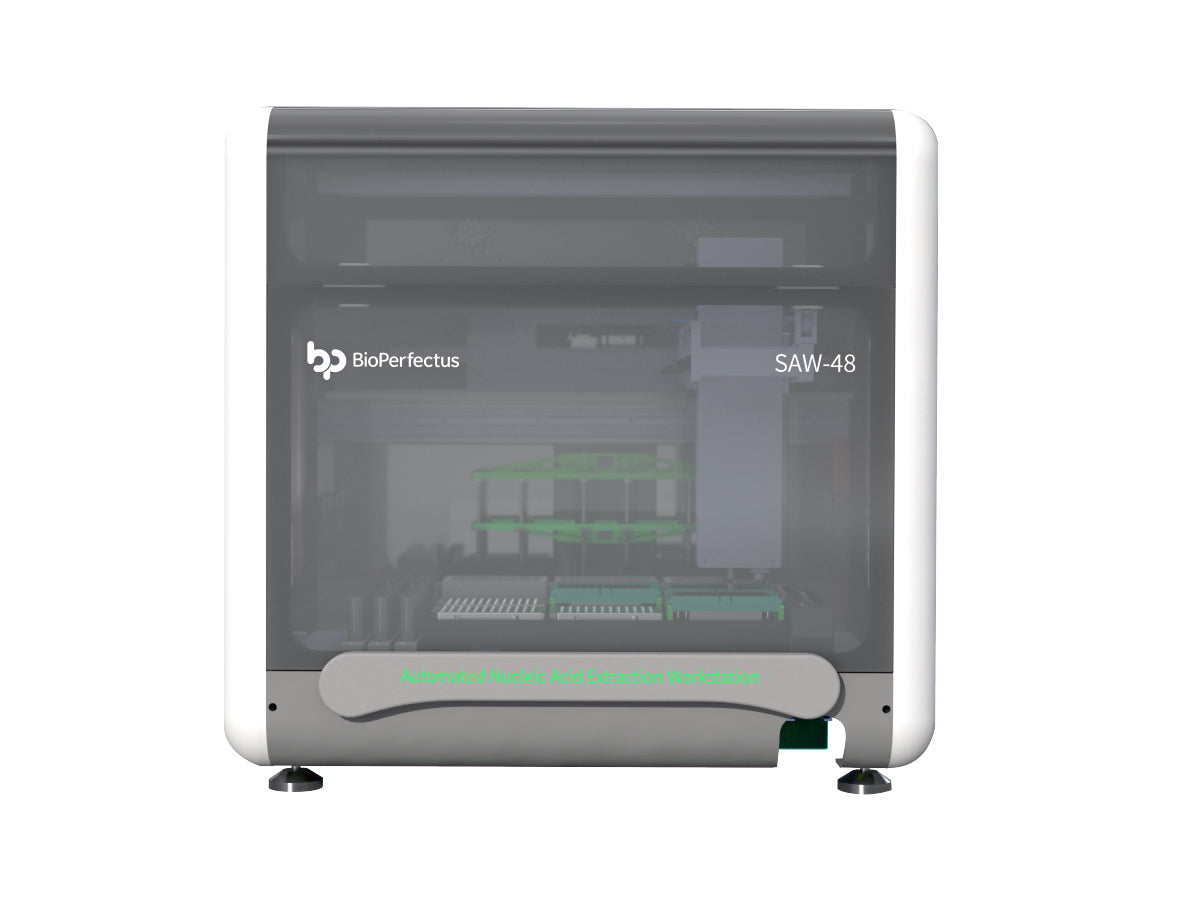
dna extraction workstation often gets sold as a time-saver, but the deeper issues go beyond speed. I want to get technical for a moment: manual pipetting creates variation in elution volume and binding efficiency with magnetic beads, so your PCR-ready eluate can vary sample to sample. Throughput stalls when staff must wait on incubation steps or reagent setup. And then there’s integration — many teams still wrestle with LIMS integration, reagent reservoirs that run out mid-run, and inconsistent automation protocols across shifts. Look, it’s simpler than you think to spot the weak links: sample cross-contamination hotspots, ambiguous SOPs, and poor deck layout. We’ve logged failure modes — tip-clogging, incorrect tip pickup, and liquid handling miscalibration. Each one seems small, until your batch fails QC. I find that labs underestimate maintenance needs too; a workstation is only as good as the upkeep and the staff training behind it.
Why does this still happen?
Because processes drift. People improvise. Tools accumulate bespoke fixes. The consequences are lost time, wasted reagents, and missed diagnosis windows. That’s painful to watch, frankly.
Part 3 — What’s next: practical principles and three metrics to guide your choice
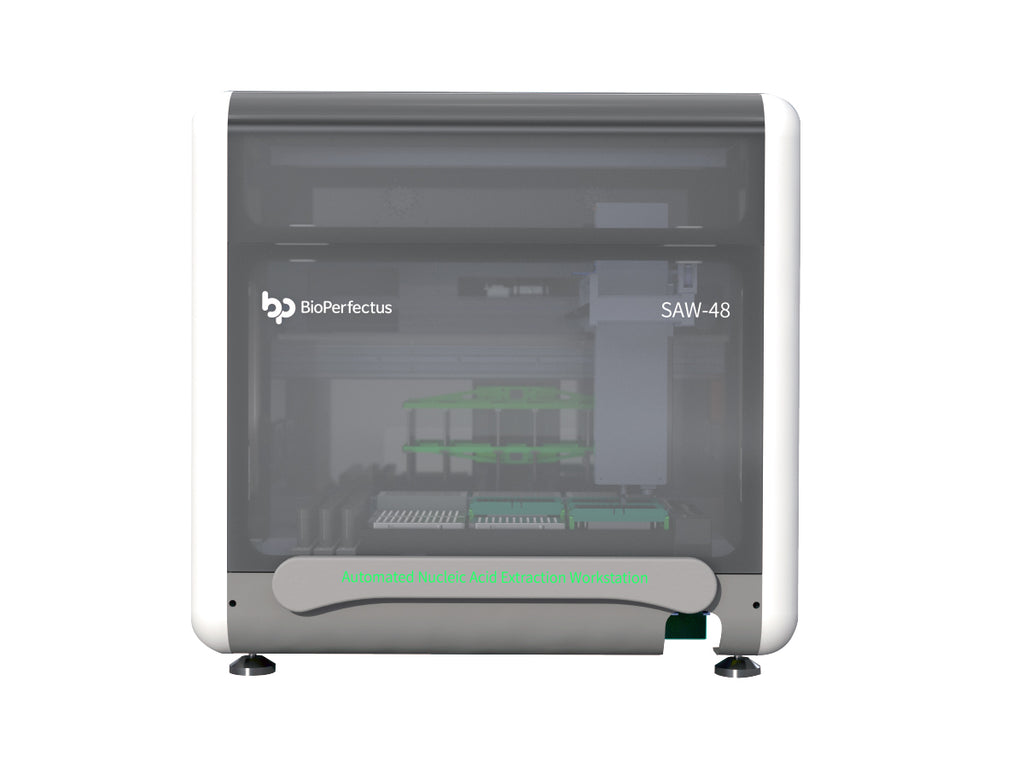
Looking forward, I favour a pragmatic mix of new principles and real-world examples. Take one mid-size diagnostic lab we advised: they replaced ad hoc workflows with a single-platform solution and improved sample traceability — not overnight, but within two months they hit steady gains. The key principles I’d highlight are modular automation design, robust error reporting, and easy LIMS hooks. Modern dna extraction workstation designs now include better liquid handling algorithms, simple reagent cartridge swaps, and built-in QA checkpoints. Those features reduce human touchpoints and lower sample cross-contamination risk. I’m cautiously optimistic — new units also let you log runs and review failed cycles quickly, which helps teams learn and adapt. — funny how that works, right?
What to measure before you buy
I’ll leave you with three practical evaluation metrics I use when advising labs: 1) True throughput under your typical sample mix (not just vendor specs), 2) Integration ease with your LIMS and sample tracking, and 3) Total cost of ownership including consumables, maintenance and training. Ask for real-run data. Demand a trial. Compare error logs. Those steps save money and hair-pulling later. I’ve been in labs that saved weeks a year by choosing wisely, and I care about outcomes — we want reliable results, not shiny gear that sits idle. For an option worth checking, see BPLabLine.
