


Introduction
Have you ever wondered why some workshops never seem to move past slow, cautious steps while others run smoothly even under tight safety rules? non sparking tools manufacturers face that very dilemma every day, balancing speed with zero-tolerance for ignition risk. Recent industry figures (I checked a few plant reports and supply logs) show production slowdowns of 15–30% where standard safety protocols intersect with manual tool checks — so what exactly causes those hold-ups and can we fix them without compromising safety? I ask because I have watched teams struggle with paperwork, multiple inspections, and repeated tool swaps — and I believe there are clearer routes forward. Let us move from the question into the broken parts of the current approach, so we can see what really needs changing.

Traditional Fixes and Their Hidden Flaws
When I talk about non sparking safety tools, I mean the gear that is supposed to remove ignition risk at the point of contact — but often it becomes part of the problem. The traditional fixes are well known: thicker controls, extra sign-offs, redundant inspections, and segregation by hazard zones using strict hazardous area classification rules. On paper, that looks sensible. In practice, however, these measures introduce friction. Inspections take time; redundant checklists multiply human error; and segregating work areas can mean workers walk back and forth across the site, wasting productive minutes. I have seen teams spend more time finding the right non-sparking wrench than using it — funny how that works, right?
Technically, the old playbook leans heavily on physical barriers and administrative controls. Terms like intrinsic safety and ex-proof enclosures get thrown around (and yes, they matter). But relying solely on these methods ignores the flow of human work: handoffs, tool availability, and real-time decision-making. Look, it’s simpler than you think — providing the right tool at the right time is as important as the tool’s material. Also, power converters and other auxiliary devices are often afterthoughts, yet their compatibility with non-sparking toolsets can create unforeseen hazards or delays. So I argue we must diagnose the workflow — not just the tool composition — if we want to eliminate bottlenecks for good.
Why do these controls still fail?
Simply put: they do not match everyday work patterns. Workers improvise, supervisors prioritize output, and processes evolve faster than policies. That mismatch is where delays and near-misses live.
New Principles for Safer, Faster Production
Shifting forward, I prefer a principles-first approach rather than band-aid fixes. Instead of piling checks on top of checks, we design systems that anticipate human behaviour and reduce needless touchpoints. For non sparking tools suppliers like non sparking tools suppliers, this means integrating tool management with real workflows: colour-coded tool stations, quick-swap tool holders, and tracked inventories tied to task schedules. These changes are not flashy — they are practical. They lower the time someone spends searching or verifying. We also look at sensor-assisted tool cabinets and simple tag-based tracking so tools are visible at a glance. I must say, when this is done well, the gains are immediate — fewer interruptions, fewer manual checks, and a calmer shop floor.
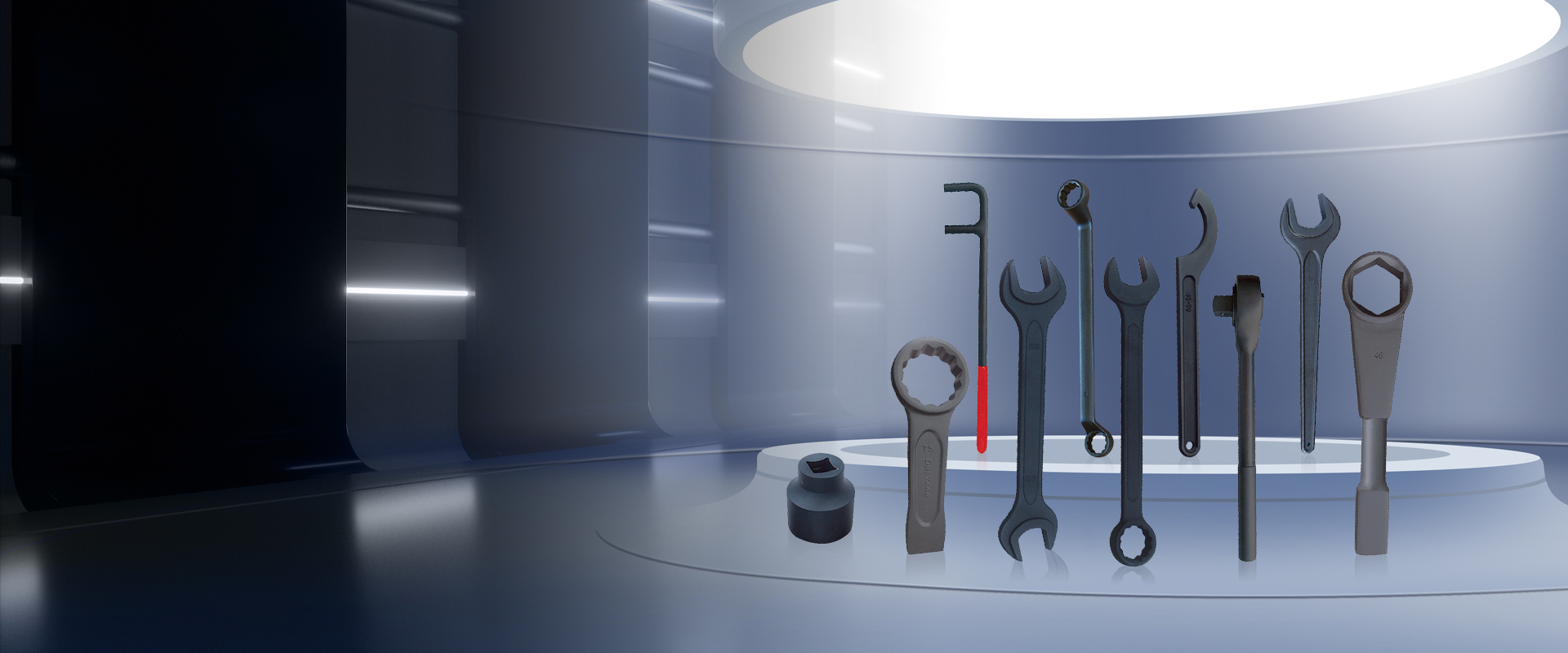
Principles also extend to equipment design. Using spark-resistant alloys is only part of the solution; ergonomic grips, standardized torque settings, and compatibility with existing ex-proof gear matter too. We combine this with better training: short, scenario-based refreshers that reflect local practices (aap samajh rahe hain?) — not long manuals. Case studies show new-principle deployments reduce downtime by measurable amounts, and they improve compliance without heavy supervision. And yes — there are costs up front, but they pay back in reduced stoppages and lower intangible stress among crews.
What’s Next?
If you are wondering how to pick a path forward, here are three metrics I always ask teams to measure before committing: 1) average tool-change time per task, 2) frequency of manual inspections per shift, and 3) percentage of tasks delayed by tool unavailability. Use these to compare options (hardware changes, process redesign, or both). I recommend starting small: pilot a single line, measure, then scale. We did this in one plant — small trial, clear metrics, quick wins — and leaders noticed the difference in weeks, not months. The takeaway? Choose pragmatic steps that lower friction and support human work — not just tick a checklist.
In closing, I want to be clear: I value safety more than speed. But I also believe safety and flow can coexist — and in many cases, they must. We have to design systems that respect how people actually work, and that means sensible tool choices, better layouts, and simple technology that helps rather than interrupts. If you want a practical partner to explore these ideas, look closer at Doright. I think you’ll find the conversation useful — and actionable.
