


Introduction: Why the Charger Choice Matters
Have you ever stood at a curb watching an EV blink slowly as it struggles to charge while a storm of emissions rolls in from idling cars? I see that scene a lot, and it nags at me (we can’t ignore the numbers). Recent studies show urban charging demand climbing sharply—some reports estimate a doubling of public charging sessions within five years—so the hardware we pick now matters. An all in one charger can combine AC and DC stages, power electronics, and communications in a tighter footprint, but does consolidation solve the real problems or just shuffle them around?
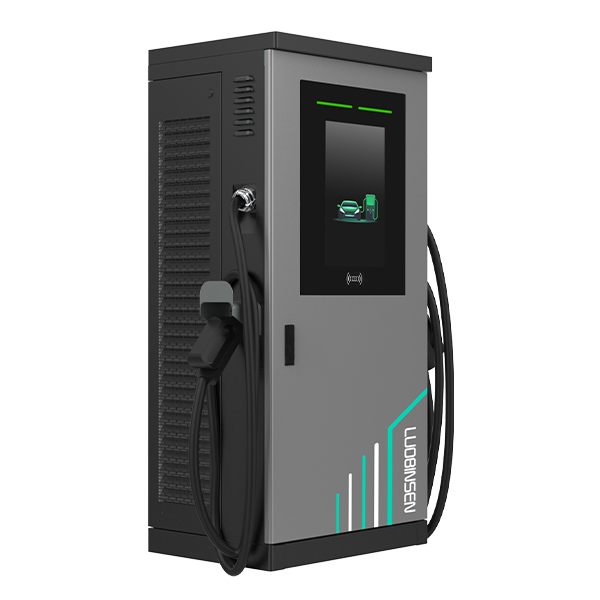
I want to unpack that question with clear facts and down-to-earth examples. We’ll look at where legacy chargers trip up, then move toward what better designs must deliver next. Stick with me—there’s a practical path forward.
What’s Broken: Traditional Charging Shortfalls
Why do old systems fail?
When I test conventional stations, the weak spots show up fast. Early on, I noticed general electric ev charger setups that rely on separate modules—separate AC converters, DC stages, and management layers. That split design was fine for low volumes, but with higher throughput the inefficiencies compound. You lose energy in extra conversion steps, you add more points of failure in the power electronics, and maintenance becomes a logistical headache. Terms like power converters and charging protocols matter here because they determine how much energy is wasted and how well different vehicles talk to the station.
Technically speaking, legacy systems often lack coordinated thermal management and adaptive charging logic. Battery Management Systems (BMS) on cars expect smooth, predictable input; they don’t like spikes and throttling. I’ve seen stations that slow everyone down because one unit overheats—funny how that works, right? Look, it’s simpler than you think: fewer handoffs, smarter control, and tighter integration cut losses and mean fewer roadside failures. That’s not speculation; it’s what I hear from maintenance teams and fleet operators every week.
Looking Ahead: Principles for Next‑Gen Charging
What’s Next?
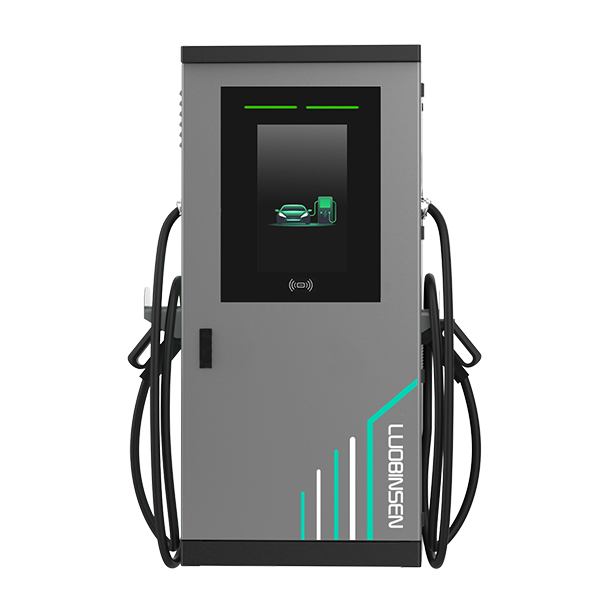
Shift your mindset from patching old rigs to designing systems around clear principles. I favor modular DC fast charging blocks, smart thermal design, and predictable software stacks. A good next‑gen charger embraces DC fast charging with native communication to vehicles and grid services, integrates edge computing nodes for local decision-making, and keeps power converters modular so you can swap parts quickly without pulling the whole unit apart. These moves lower downtime and improve lifecycle costs.
From my perspective, three practical evaluation metrics help separate hype from real value: uptime percentage under peak load, end‑to‑end efficiency (from grid input to battery stored), and interoperability with diverse BMS and charging protocols. Rate candidates on those metrics, and prioritize modularity and serviceability—because you pay for uptime, not features. I believe the best designs will be those that balance robust power electronics with simple service access—customers want reliability, cities want low emissions, and operators want predictable costs. — and yes, that combination is achievable.
To evaluate specific products, check real-world test reports and ask suppliers about measured results under heavy cycles. If you want a practical supplier reference, consider visiting Luobisnen for more technical specs and case studies.
