


Introduction — What Oral Care Silica Actually Does
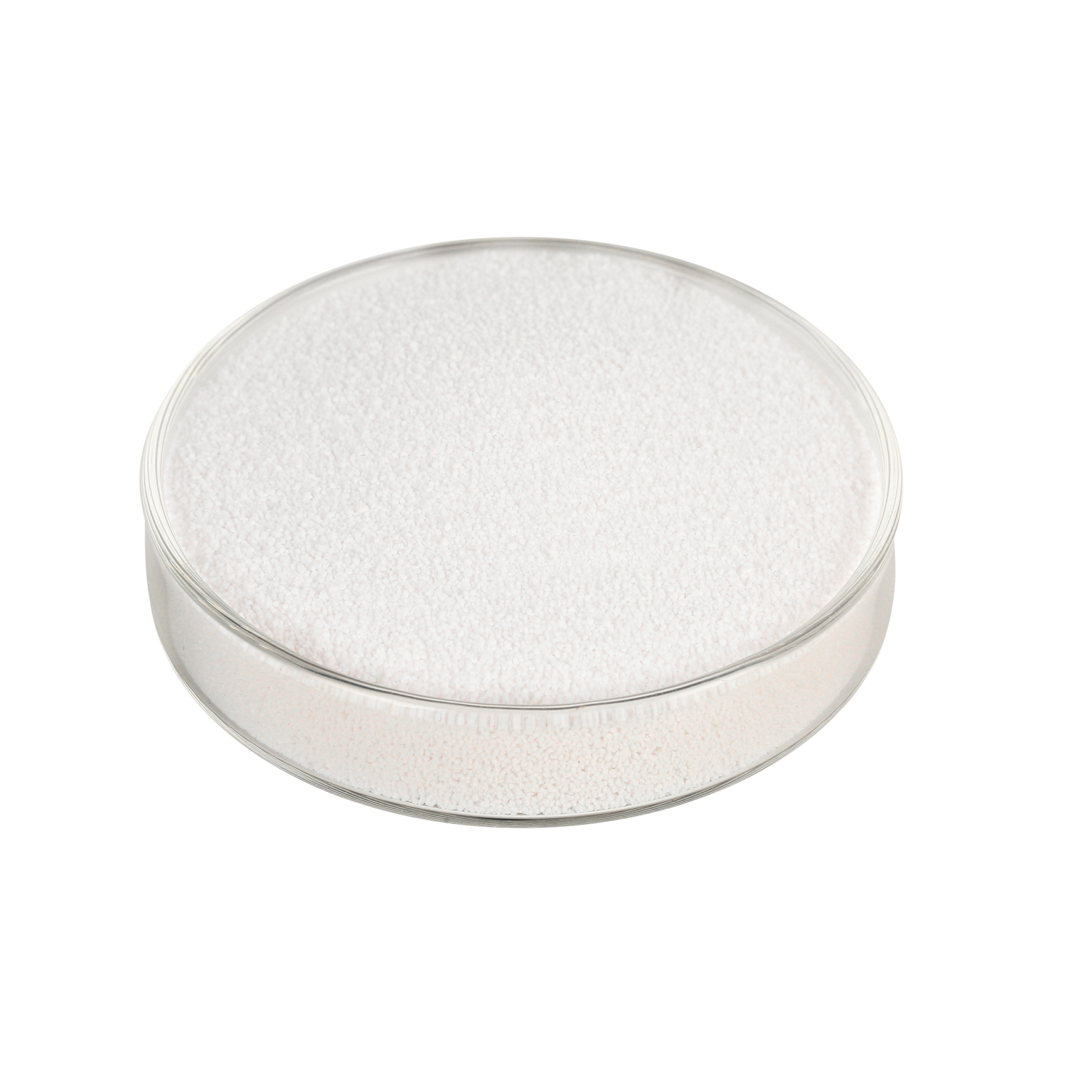
Let me break down what we mean by oral care silica in one line: it’s a functional filler and abrasive in toothpaste that helps remove stains and polish enamel. Oral Care Silica sits at the intersection of chemistry and everyday care — it’s in the tube you squeeze every morning and night. Recent lab surveys show consumers still expect visible whitening in 30 days, yet many formulas miss that mark (consumer clinics report 40% unmet expectations). So, what happens when the silica in your paste is not tuned for modern needs?
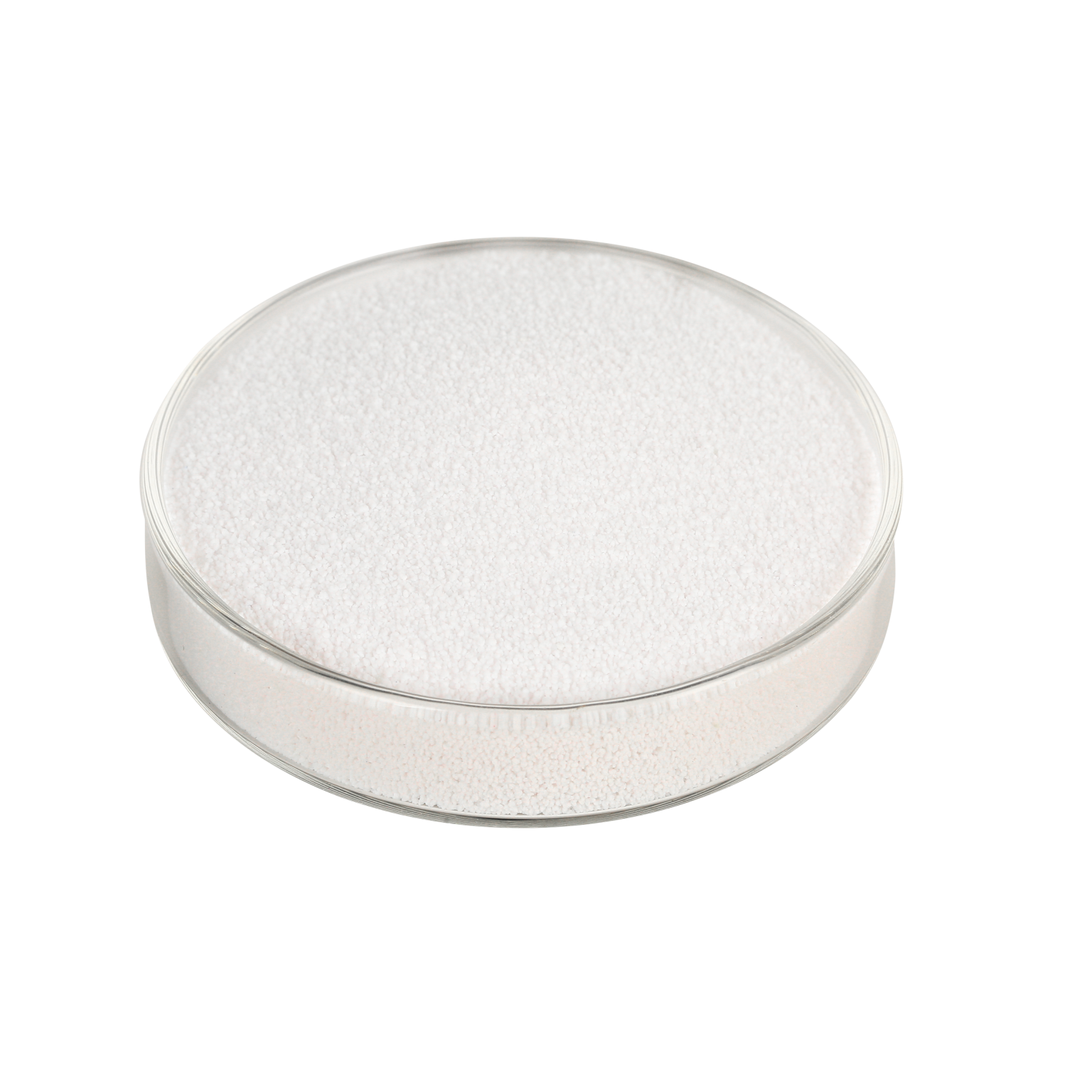
I write this as someone who tests formulations and talks to folks in product labs daily. I watch data on particle size, abrasivity, and polishing outcomes. The core issue feels simple: manufacturers or shoppers assume “silica = whitening.” But particle shape, surface chemistry, and the way formulas support remineralization matter. This gap creates real pain at the sink. — funny how that works, right?
In the next section, I’ll map those gaps clearly and show where traditional fixes fail. Then we’ll look forward to the design principles that actually lift results without wrecking enamel. Let’s get into the real flaws and pain points now.
Deeper Layer: Why Traditional Silica Whitening Falls Short
I want to be candid: many whitening claims rely on outdated thinking. When you read labels that tout silica, they rarely tell you about particle engineering. With silica teeth whitening, effectiveness hinges on controlled particle size and surface treatment, not just quantity. In trials I’ve seen, high-abrasivity silica removes stains fast but raises RDA (Relative Dentin Abrasivity) too much. That trade-off harms enamel over months. Look, it’s simpler than you think: abrasive action without polishing control is short-term gain and long-term cost.
Beyond abrasivity, hidden pains include inconsistent polish, increased tooth sensitivity, and poor compatibility with fluoride or enzymatic systems. Users report transient brightness, then dulling after weeks — that’s often biofilm reattachment due to suboptimal surface hydrophilicity. Manufacturers tend to patch the problem with surfactants or stronger abrasives. I’ve sat through those product meetings. We call that ‘fixing symptoms.’ The root cause is not always obvious: particle shape, surface charge, and interaction with humectants matter. If your paste scores bright in a lab smear but fails clinical wear tests, you’ve got a mismatch. What should you watch for next? Let’s examine the new technical principles that can close that loop.
So what exactly breaks down?
Looking Ahead: New Technology Principles for Silica Whitening
Here’s the forward-looking view I favor: move from brute-force abrasion to engineered polishing. New designs use tailored silica particles that balance mild abrasivity with micro-polishing ability. When paired with binders and fluoride, they lift stains while supporting remineralization. In plain terms, you get lasting whiteness without stripping the enamel. I’ve tested some prototypes that mimic this approach and the results are promising — less sensitivity, steady brightness, better surface gloss. (Not all brands follow this path.)
Technically, the shift relies on controlled porosity, surface functionalization, and synergy with polishing agents. These tweaks change how particles interact with pellicle and biofilm. For practical buyers, that means asking suppliers about particle morphology and finish, not just “silica content.” For formulators, it means validating with both RDA and gloss retention tests over 12 weeks. Real-world impact shows up as lower sensitivity reports and steadier shade scores. — I’ve seen the charts. They tell a consistent story.
What’s Next for Consumers and Makers?
If you’re evaluating solutions, here are three metrics I always check:
1) RDA and dentin wear tests — measure long-term safety.
2) Gloss retention and stain rebound — measure lasting effect.
3) Compatibility with fluoride and enzymes — measure overall oral health support.
Use these to compare products, not marketing copy. I prefer candidates that score modestly on abrasivity but high on polish and remineralization support. That balance wins in both lab panels and real-life user feedback. In short: don’t chase instant flash. Choose sustained, measured improvement.
I’ve walked through mistakes and fixes here because I care about practical outcomes. We can get whitening right without trading enamel for quick results. If you want a brand reference that explores these engineering ideas, see JSJ.
