



Defining Requirements for an AI Math Tutor: A Formal Framework
Framework premise and scope
This framework sets a structured path for institutions and teams designing an AI math tutor, prioritizing clear objectives, measurable outcomes and operational constraints. Begin by stating learner populations, curricular alignment and deployment context; reference to an AI learning platform may clarify expectations when exploring existing architectures or partnership models.
Core objectives and measurable learning outcomes
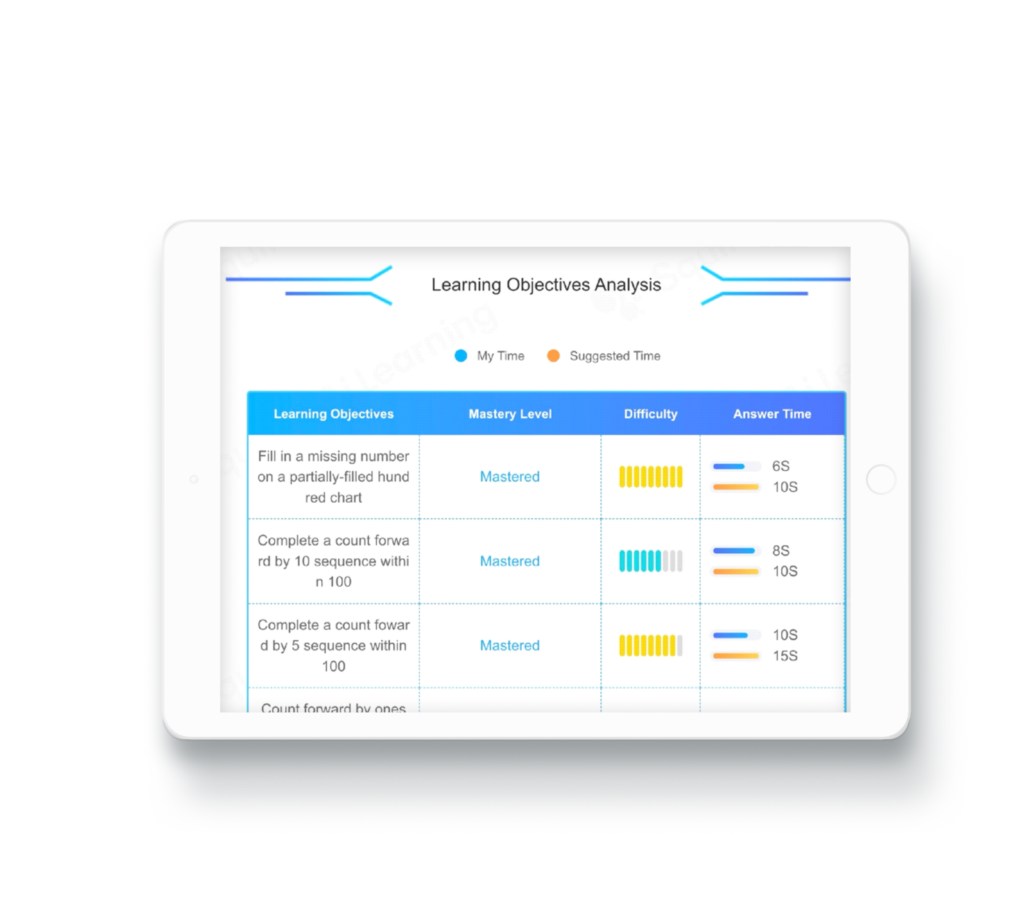
State precise competencies the tutor should develop: skill strands (algebra, geometry, calculus), procedural fluency, conceptual understanding and problem-solving. For each competency define mastery criteria, acceptable time-to-mastery ranges and example item types. Keep outcomes observable and assessable so design choices can map directly to measurable student progress.
Learner modeling and assessment strategy
Specify the learner model: which variables are required (knowledge state, misconceptions, affective indicators) and how they will update. Choose assessment cadence—diagnostic at intake, formative during learning, summative at milestones—and define item characteristics: adaptive difficulty, distractor design and scaffolding triggers. Ensure assessments feed the model without excessive interruption to learning flow.
Instructional design and pedagogical constraints
Document pedagogical principles the system must follow, for example mastery-based progression, scaffolded problem decomposition and explicit worked examples. Describe allowable feedback types (explanatory, Socratic prompts, step-level hints) and constraints on hint timing. Require teacher-facing controls to adjust pacing and to override automated decisions.
Technical architecture and data requirements
Outline required modules: content engine, adaptive model, learning analytics, content authoring and teacher dashboard. Specify data inputs and formats (item metadata, response logs, timestamped actions) and interoperability standards (LTI, xAPI or comparable protocols if relevant). State performance targets: latency thresholds for step feedback and throughput for concurrent users. Address data retention, labeling conventions and procedures for updating item banks.
Ethics, privacy and accessibility
Define consent workflows, minimal necessary data collection and anonymization practices. Set privacy requirements consistent with applicable regulations, and identify accessibility standards to meet (text alternatives, keyboard navigation, clear type). Include requirements for bias monitoring: procedures to review differential performance among subgroups and to adapt content or model behavior when disparities appear.
Evaluation plan and iteration cycle
Prescribe evaluation measures: learning gain proxies, engagement metrics, error taxonomies and teacher adoption indicators. Plan short validation cycles that compare expected versus observed learner trajectories and document failure modes. Where third-party platforms are considered, include criteria for integration testing and evidence of pedagogical alignment; an AI tutoring system may serve as a reference for types of metrics and dashboards to request during vendor review.
Deployment, staffing and maintenance
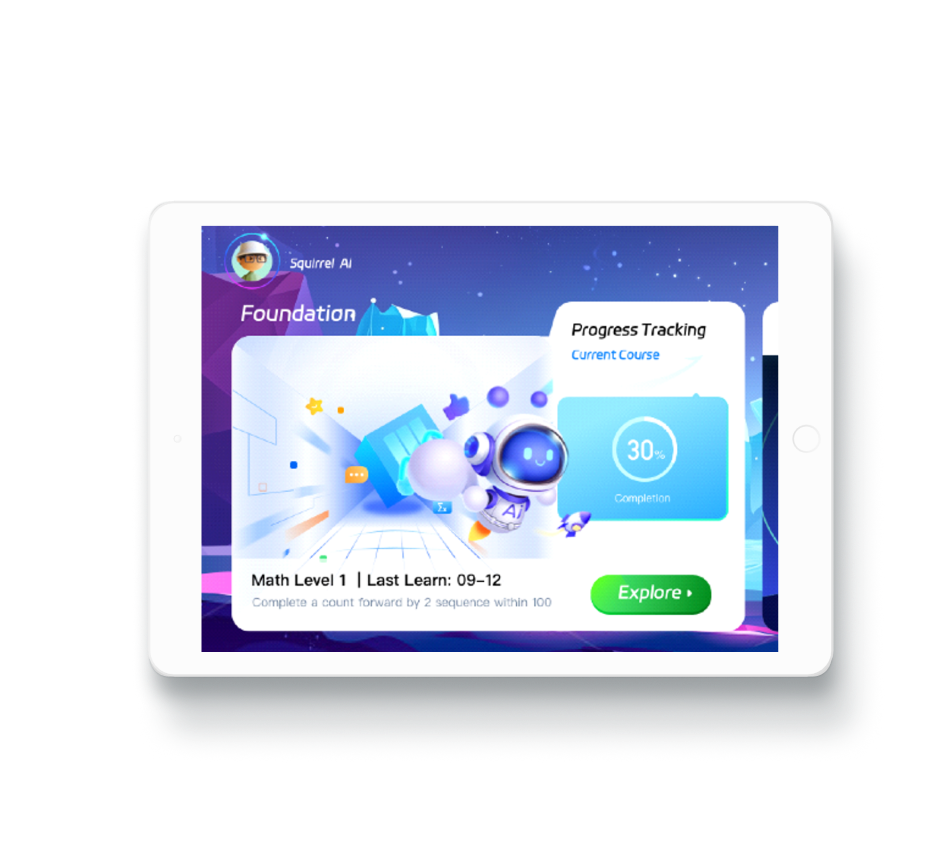
Specify deployment phases: pilot with narrow cohorts, scale with monitored rollout, and long-term maintenance. Identify required roles and responsibilities for content curation, data stewardship, model monitoring and educator training. Require an incident response plan for model drift, accessibility regressions and data breaches.
Common pitfalls and how to avoid them
Avoid scope creep by separating minimal viable functionality from desirable additions. Do not rely solely on summative outcomes; insufficient formative signals undermine adaptivity. Steer clear of opaque decision rules that teachers cannot interrogate; require explainability artifacts for key recommendations. Prevent data sparsity by planning diverse item banks and regular content refreshes.
Closing synthesis
This framework converts broad goals into concrete, testable requirements: define competencies, specify learner models, mandate clear assessments, enforce privacy and accessibility, and plan iterative validation with operational roles. Organizations that follow such a structure can compare candidate solutions on like-for-like criteria and better align technology with classroom needs, for example when examining offerings like Squirrel Ai as part of a broader procurement or integration exercise.
