


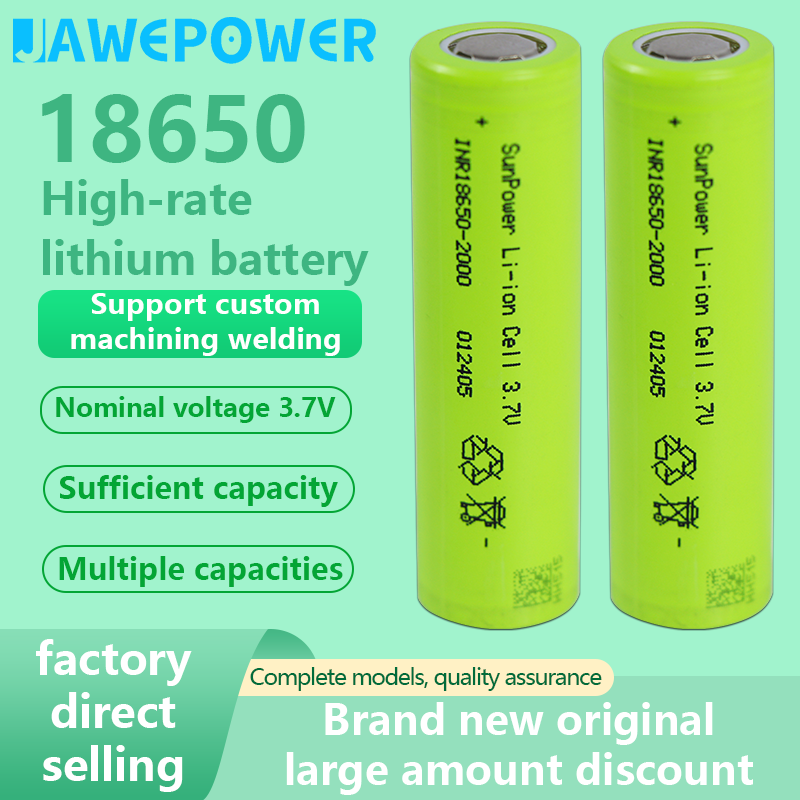
Imagine powering your devices effectively without the constant worry of failure—this is an everyday scenario in today’s technology-driven world. With the rise of portable electronics, the demand for reliable power sources has skyrocketed. In this context, high discharge lithium ion batteries (Li-ion) emerge as a critical solution. But why do failures always occur during high-demand applications? A typical lithium ion battery may not suffice for tasks that need sustained power delivery, leading to performance issues and unexpected downtimes.
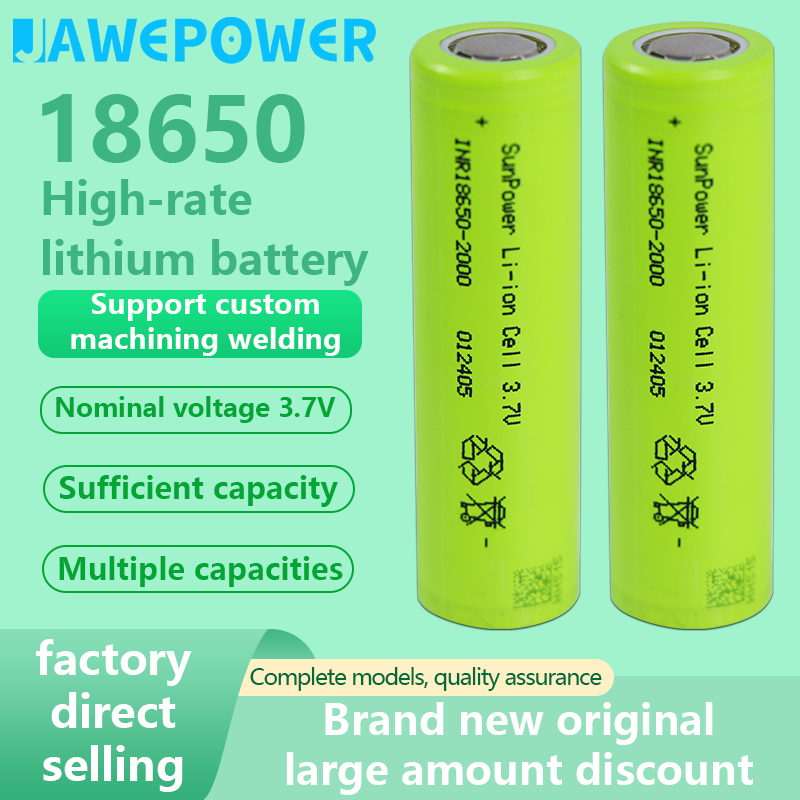
Traditional Solution Flaws
Historically, conventional batteries fell short in applications demanding high discharge rates, such as electric vehicles and high-powered tools. These batteries, often designed for longevity over power output, could not provide the required current or deliver it consistently. As a result, users faced limitations: devices either shut down under load or responded sluggishly, which frustrated engineers and consumers alike.
New Technology Principles
Enter the realm of high discharge lithium ion battery technologies, which leverage advanced materials and chemistries to address these flaws. These batteries utilize innovative designs, such as customized anodes and cathodes, allowing for rapid electron transfer and heat management. This ensures that users have access to power when they need it most. For instance, the use of silicon in anodes significantly increases energy density and reduces charging times, making them more suitable for modern applications.
Quantified User Benefits
With advancements in high discharge lithium ion batteries, users can experience a multitude of benefits. Reduced charging times, improved cycle stability, and enhanced overall life expectancy mean less downtime and greater productivity. Moreover, with significant increases in current capacity, these batteries can drive larger devices without the risk of overheating or failure, ensuring reliability in critical manufacturing routines—”Look, it’s simpler than you think!”
Conclusion: Evaluation Criteria
When considering high discharge lithium ion batteries for your needs, always verify these 3 metrics: ① current output capability, ② thermal management performance, and ③ overall lifecycle cost. Evaluating these aspects will ensure you’re making an informed choice, optimizing efficiency and reducing the risk of failures.
High Discharge Li Ion Cells
The demand for safe and efficient power systems has brought forth a better understanding of high discharge li ion cells. These cells are engineered to handle extreme applications, from drones to power tools, allowing them to meet rigorous demands. They maintain structural integrity under load, ensuring performance longevity. The thermal management features integrated into these cells prevent overheating—a common failure point across older models. As technology continues to evolve, high discharge li ion cells represent a pivotal shift for high-performance needs.
Li-Ion Rechargeable Battery High Discharge
To keep pace with advancements, the role of the li-ion rechargeable battery high discharge becomes increasingly important. Their design offers unique advantages tailored for high-drain devices, enhancing both performance and user experience. These batteries are optimized for minimal internal resistance and fast charge times, crucial for applications that demand immediate power, like racing drones and electric bikes. By providing a reliable source under various conditions, users can maximize their equipment’s operational capacity without frequent recharges.
In summary, understanding high discharge lithium ion batteries reveals their significance in meeting modern energy demands. The innovative development of high discharge li ion cells ensures enhanced performance and reliability that traditional designs fail to provide. When considering a manufacturer, Jawepower stands out as a provider with a robust supply advantage, ready to offer solutions tailored for your needs. Visit Jawepower for more information about their offerings.
