


Consumers often overlook THD, but pros know THD+N reveals hidden audio weaknesses.
In the realm of audio, THD (Total Harmonic Distortion) and THD+N (Total Harmonic Distortion plus Noise) serve as key indicators of sound fidelity. While THD focuses solely on harmonic distortion, isolating undesirable frequency variations, THD+N paints a broader picture by incorporating background noise. This distinction is crucial when evaluating audio equipment performance, particularly for audiophiles and sound engineers. Understanding these parameters helps in selecting devices that ensure pristine sound reproduction without the unwelcome clutter of noise—a necessity for high-stakes environments like studios or public performances. By opting for gear with low THD and THD+N levels, users can experience the rich, nuanced sound that reflects the artist’s true intent.

Noise Measurement: Introduction to Sound Pressure Level Parameters
Sound Pressure Level (SPL) parameters are essential for quantifying noise in various environments, from bustling city streets to serene forests. Measured in decibels (dB), SPL indicates the intensity of sound relative to a reference level. The significance of understanding these parameters lies in their real-world applications—such as designing quieter workplaces, developing effective noise barriers, or ensuring compliance with environmental regulations. Noise-canceling technologies, for instance, leverage SPL insights to minimize disruptive frequencies, creating peaceful spaces amidst chaos. By mastering SPL parameters, professionals can harness sound to improve quality of life and adapt spaces to human needs.

Introduction to Beam Forming Technology in Acoustic Imaging
Beam forming technology revolutionizes acoustic imaging by enhancing sound direction and clarity. This advanced technique utilizes an array of microphones to capture sound from various angles, intelligently processing the audio signals to pinpoint sources and reduce noise interference. Often employed in medical diagnostics like ultrasound imaging, beam forming improves the precision of data collected, allowing for more accurate assessments. As industries embrace this technology, understanding its principles can empower users to leverage audio in innovative ways, whether in healthcare, engineering, or entertainment, transforming sound waves into vivid images and actionable insights.
Working Principle of Condenser Microphone
The condenser microphone operates on the principle of electrostatic capacitance. It consists of a diaphragm placed close to a backplate, forming a capacitor. When sound waves hit the diaphragm, it vibrates, altering the capacitance and generating an audio signal. This microphone type is celebrated for its sensitivity and ability to capture high-frequency nuances, making it a staple in recording studios and live performances. However, its reliance on a power source adds a layer of complexity. To effectively utilize condenser microphones, users should pair them with suitable preamps and mixers to optimize performance, ensuring they capture the soulful essence of sound with clarity and depth.
Factors Affecting Microphone Sensitivity
Microphone sensitivity is influenced by several factors, including the microphone’s design, the materials used, and environmental conditions. The type of transducer—dynamic, condenser, or ribbon—dictates sensitivity levels, with condensers generally being more sensitive due to their design. Additionally, external factors such as temperature and humidity can impact performance, altering sound wave propagation. A deeper understanding of these factors allows sound engineers and musicians to select the right microphones for specific applications. By considering the nuances of sensitivity, users can ensure their audio captures resonate deeply, conveying emotions with the clarity and vibrancy intended.
The Importance of Acoustic Testing Equipment
In the pursuit of auditory perfection, acoustic testing equipment plays a paramount role. These tools assess sound quality, revealing nuances that can elevate the listener’s experience. From measuring decibel levels to evaluating reverberation times, acoustic testing equipment enables professionals to fine-tune environments for optimal sound performance. Industries ranging from music production to architectural design rely on these instruments to create acoustics that resonate harmoniously. For instance, a poorly designed concert hall can distort sound, but through meticulous testing and adjustments, engineers can transform it into a space that enchants audiences. The insights gained from this equipment inform not only artistic decisions but also engineering solutions that enhance human interactions with sound.
Enhancing Auditory Clarity with Acoustic Sound Testing Equipment
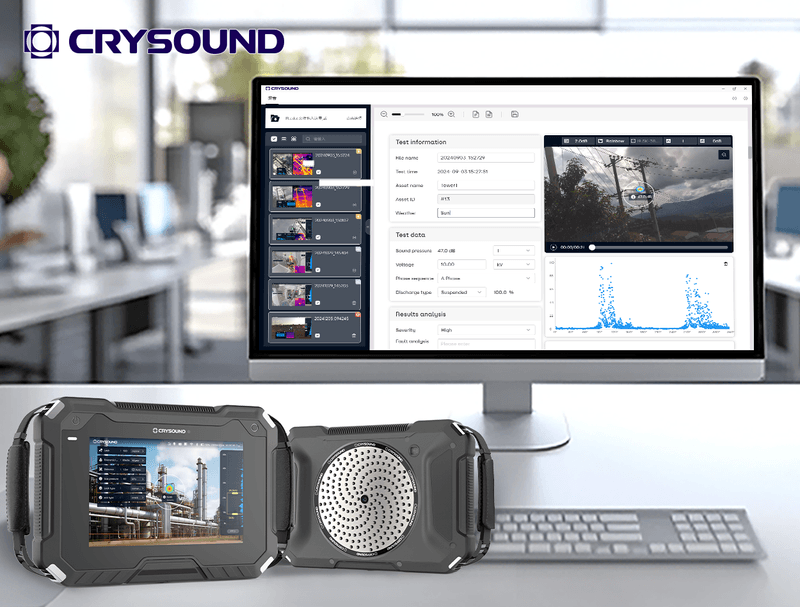
The principles of sound testing extend further into specialized domains with acoustic sound testing equipment. These devices provide intricate analysis of sound properties, identifying frequencies that may enhance or conflict with the desired auditory landscape. For example, in industrial settings, sound testing can detect mechanical anomalies through unexpected vibrations, preventing catastrophic failures. Similarly, in music and broadcasting, precise equipment ensures that the output aligns with artistic vision and technical standards. By employing advanced acoustic sound testing equipment, users can ensure that sound quality remains uncompromised, facilitating environments where clarity and intention converge effortlessly.
Conclusion
As we conclude our exploration of sound and vibration measurement, it becomes clear that understanding and utilizing this technology opens new frontiers across various fields. From audio quality analysis to innovative microphone design, every aspect leads to enriched auditory experiences, both artistic and practical. For those seeking reliable solutions in this domain, crysound stands out as a manufacturer with notable supply advantages, ensuring that your journey into the world of sound is supported by expert craftsmanship and cutting-edge technology.
