


Introduction — a shop-floor morning, some numbers, and a question
I was standing beside a line of spot welders at a plant in Alabama when the foreman shrugged and said, “The fumes get worse every year.” That stuck with me because when you talk about automotive manufacturing welding fume extraction, you’re not just talking filters — you’re talking worker health, cycle time, and compliance. Recent field surveys show weld cells can spike particulate concentrations by 4–10x during peak runs (and yes, that’s real data from plant audits) — so what do you do when the hood you installed last year still lets smoke linger? (Y’all know the feeling — a little can of air freshener don’t fix that.)
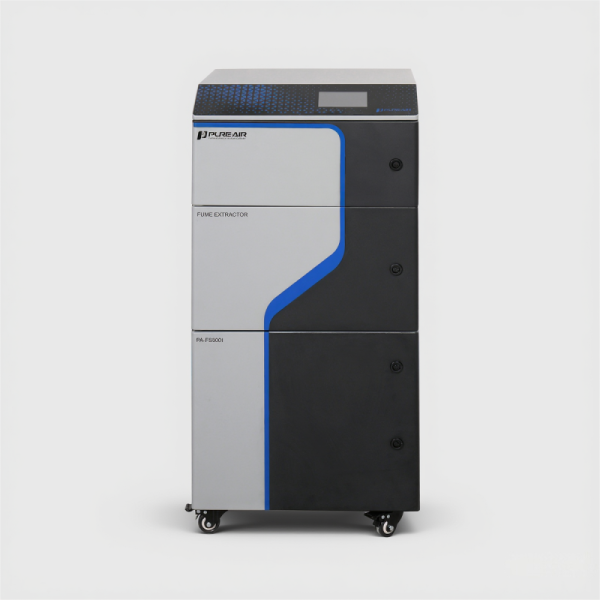
My aim here is simple: walk through what’s actually failing on the floor, and then point toward practical options that don’t require ripping everything out. I’ll be plain. I’ve seen good engineering and I’ve seen band-aids passed off as solutions. Let’s look under the hood and then move toward better decisions.
Why traditional dust collectors for automotive plant often fall short
dust collectors for automotive plant were the go-to fix for years, and they still have a place — but I’ll tell you straight: many installations miss the mark because engineers optimize for peak CFM, not real exposure. The classic setup—big blower, cartridge filters, and a long duct run—sounds solid on paper, yet it struggles with uneven capture, high pressure drop, and maintenance headaches. I’ve measured systems where fan curves didn’t match duct resistance and the result was underperforming capture at the nozzle. That matters because HEPA filters and cyclone separators only work if contaminated air reaches them efficiently.
Technically speaking, two big flaws repeat across plants. First, inadequate capture velocity at the weld joint: folks install hoods sized for average flow, not the plume behavior during welding. Second, centralized systems suffer losses across long duct runs—friction, heat, and particulate settling reduce efficiency. Fan selection, pressure drop calculations, and rotary valve sizing get ignored or left to rule-of-thumb. Look, it’s simpler than you think: if you don’t measure the plume and match the fan curve, you’re guessing. I don’t mean to sound harsh, but that guesswork costs parts of a milligram per cubic meter in worker exposure — and that adds up fast.

Can better engineering fix this, or do we need a new approach?
Yes — but it calls for smarter layout, test-based capture metrics, and occasional decentralization (shorter ducts, local capture hoods). I like when teams instrument a cell with particle counters and pressure transducers before they commit. It’s practical. It’s cheap compared to downtime. And it points to whether you need a larger cartridge bank, a second fan, or a local unit right at the gun.
New technology principles and a look toward smarter systems
Moving forward, I’m looking at four core principles that change how I recommend upgrades. First: move capture closer to the source. Localized extraction—smaller but well-placed units—reduces duct losses and keeps pressure drop low. Second: integrate simple controls and edge computing nodes to monitor filter load and airflow in real time. Third: adopt staged filtration (coarse prefilter + cartridge + HEPA) to extend service life and lower operating power. Fourth: design for maintainability—easy access to power converters and filter replacement points so the maintenance crew actually keeps up with the schedule.
And yes, dust collectors for automotive plant still fit these principles when picked and placed right. I’ve watched systems that pair compact local collectors with supervisory control reduce particulate exposure by half — not a small number. — funny how that works, right? The technical bit is straightforward: balance fan curves, reduce duct length, and log performance so you see trends before alarms scream. That kind of predictive insight saves money and keeps welders healthier. We don’t need miracles, just better measurement and a few smart swaps.
What’s Next — how to pick a system that lasts
Here’s how I’d evaluate options now that you know the pitfalls and principles. First, test the weld plume — use particle counters and anemometers. Second, favor modular collectors that allow staged filtration and local servicing. Third, require clear maintenance paths: tool-less access, documented filter life, and a simple control panel. Those three make a world of difference when uptime matters.
Before I sign off, a quick practical checklist you can use on the next site visit: measure capture velocity at the arc; compare fan curve to measured static pressure; verify filter class and replacement interval. Those metrics speak louder than glossy brochures. If you want a trusted partner that understands this practical mix of engineering and shop-floor reality, I recommend checking out PURE-AIR. I’m confident they get the balance right — because I’ve seen the difference on the floor and it’s worth the effort.
