


Before shortlisting Power Conversion System, map supplier questions for early research
Early research is easier when a power conversion system is treated as a set of supplier questions, not just a product name. Start by defining the decision you need to make. Are you screening equipment for a commercial or industrial energy storage project, checking an architecture, or preparing a request for technical information? The answer sets the level of detail you need and prevents a broad product description from standing in for a project requirement.
Clarify the decision before comparing suppliers
Write down the intended energy path in plain language. The captured product page describes a system that manages energy flow between batteries, renewable sources, and the utility grid. It also describes bidirectional AC-DC conversion: excess or off-peak electricity can charge batteries, while stored DC power can be converted to AC for consumption or grid export. Use that description to frame questions about your own project rather than assuming that every listed function applies to every configuration.
Next, describe the application boundary. The page presents its solution for commercial and industrial energy storage and identifies a power range from 125kW to 1000kW. Treat that range as page-listed information for the described product scope. Do not turn it into a conclusion about the right rating for your site. Instead, ask the supplier to relate the proposed model or configuration to your required operating range, battery arrangement, renewable inputs, and grid connection.
Space should be recorded just as carefully. Note the available installation area, access route, equipment arrangement, and any location constraints already known to the project team. These notes are questions for supplier review, not assumptions about dimensions or installation requirements. Ask for the physical information needed for layout work and keep each answer attached to the specific model or system configuration under discussion.
Build a concise comparison framework
A useful comparison sheet separates confirmed details from open questions. Give each supplier the same short brief, then record the response under consistent headings: application scope, energy flow, conversion direction, battery inputs, renewable integration, grid operation, monitoring, load management, and installation information. This approach keeps the early review practical. It also makes it easier to see when one supplier has answered a question and another has supplied only general marketing language.
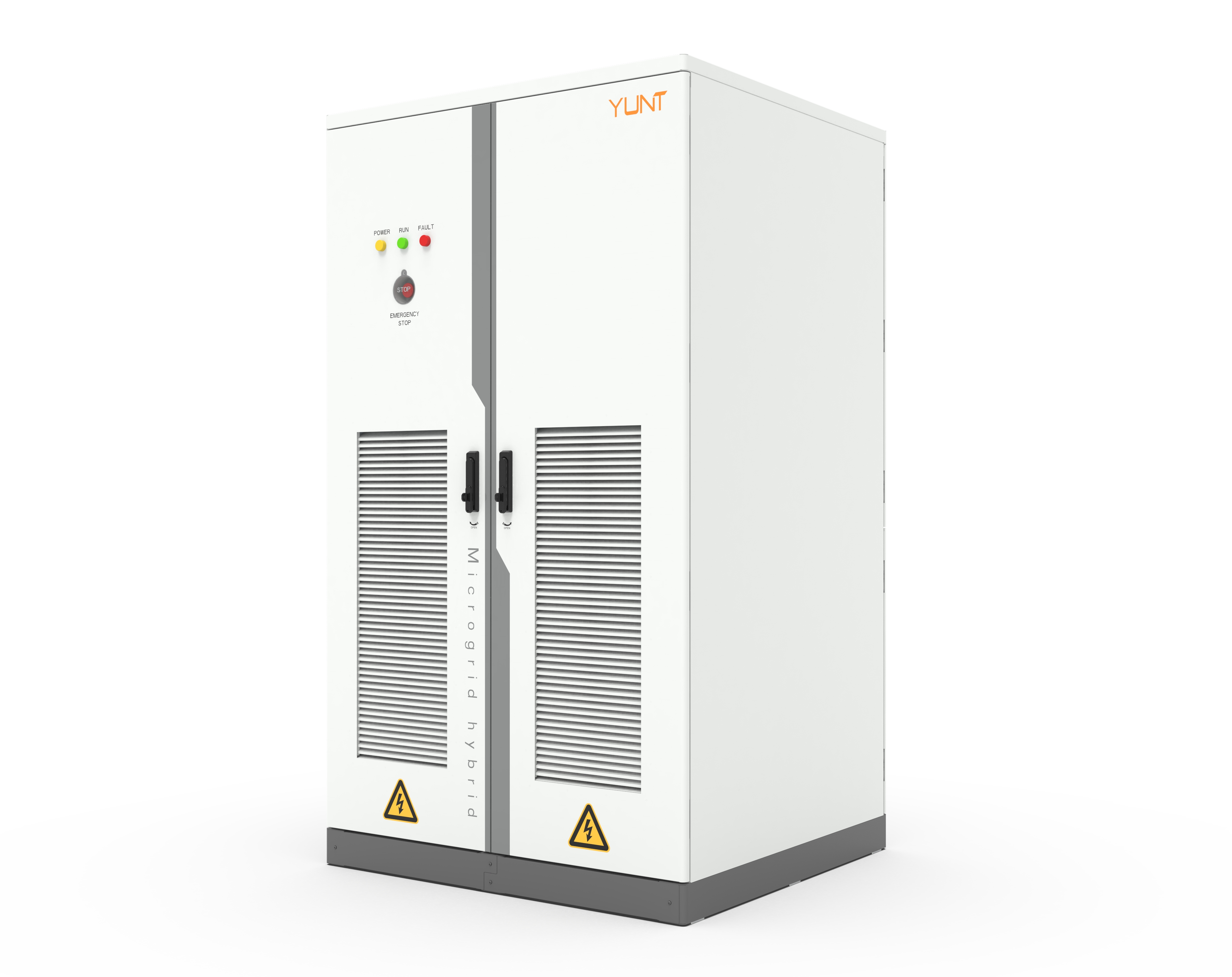
For the middle of the review, describe the pcs power conversion system in terms of the job it must perform. The official page associates this system with BESS projects and lists advanced monitoring, load management, and integration with renewable energy sources. It also describes modular bidirectional conversion and optional on-grid or off-grid switching. Record these as stated features, then ask which ones belong to the exact proposed configuration. A page-level feature is useful evidence, but it is not a complete interface specification.
Battery architecture deserves its own line. The page lists “multiple battery inputs to solve the battery circulation.” That phrase is a concrete anchor for a supplier discussion, especially when the project team is mapping battery-side connections. Keep the wording bounded to the page. Ask what the statement means for the intended design, which inputs are available in the proposed unit, and what information the supplier needs before confirming a configuration. Do not infer a topology, control method, or operating limit from the phrase alone.
- Map the intended energy flow between batteries, renewable sources, and the utility grid.
- Record the commercial or industrial energy storage scope and compare the project requirement with the stated 125kW to 1000kW range without assuming a final rating.
- Ask how multiple battery inputs relate to the proposed battery-side arrangement.
- Keep statements such as modular, certified, and deployed in 50+ countries tied to the stated product-page scope.
Avoid unsupported conclusions
Early comparisons often fail when a broad claim is silently expanded. “Modular” does not by itself establish how a system will fit a particular room. “Certified” does not identify a certification scope. “Deployed in 50+ countries globally” is a page-listed statement, but it does not prove suitability for your project. Keep such language in an evidence column, alongside the source and the exact product scope. Move anything unresolved into a question column.
Use the same discipline for performance. Avoid filling gaps with assumed efficiency, response time, reliability, safety rating, operating temperature, service coverage, or compatibility. Those details may matter to procurement, but they should enter the comparison only when they are supported for the relevant product and application. A clean record of unknowns is more useful than a precise-looking table built from guesses.
Carry the requirements into procurement
Once the shortlist is narrow, turn the comparison sheet into a focused supplier brief. Include the intended application, energy sources, battery arrangement, grid relationship, required operating modes, available space, and the project stage. Ask for answers tied to the proposed model rather than accepting category-level statements. Request a clear separation between standard features, optional functions, and items that require project engineering.
Keep revision control simple. Date the brief, identify the source page used for initial research, and record each supplier response beside the question it answers. When a requirement changes, mark the affected comparison entries instead of rewriting the whole assessment. This gives engineering, procurement, and project management one shared view of what is known and what still needs technical resolution.
The goal is not to select a power conversion system from a single page. It is to make the next supplier conversation precise. Define the energy path, state the intended use and space, separate evidence from assumptions, and carry open questions into procurement. With YUNT recorded as the named supplier source where relevant, the team can keep its early shortlist grounded without treating general page language as a project-specific commitment.
