


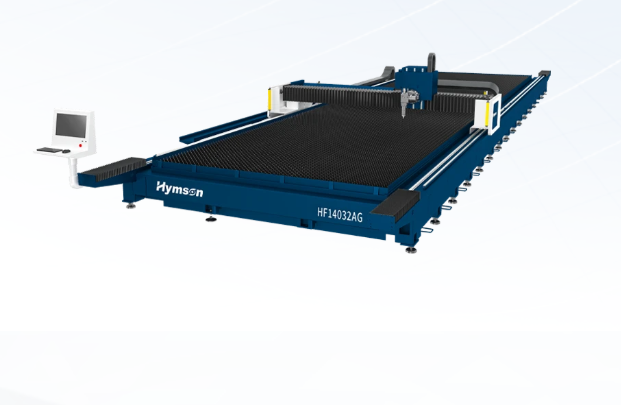
Comparing 20kW Fiber Laser Cutters: Specifications, Fit, and Trade-Offs
Quick comparison that matters
Facing a choice between a heavy-duty 20kW fiber laser cutter and a tube-focused solution, the real question is what you need to cut, how fast, and for how long. I look at typical shop work and say plainly: if your job list has long runs of structural shapes, consider a tube laser cutting machine alongside flat-sheet cutters. The difference shows up not just in speed, but in part handling, fixturing, and downstream weld prep.
Specs that shift the balance
Power is obvious: 20kW gives headroom for thicker sections and faster pier times on heavy plate. But beam quality, focus stability, and control electronics decide real cut quality. Look for consistent power delivery, robust cooling, and motion systems that don’t chatter at high feed rates. Efficiency of assist gases and nozzle design also change results more than a single extra kilowatt will. Don’t buy only by the number on the nameplate—inspect how the system maintains cut edge geometry across cycles.
Where a 20kW fits best
These lasers suit shops cutting thick carbon steel and large stainless sections under continuous schedules. If you’re producing long box girders, heavy tube frames, or large flange components, the throughput gain is clear. Conversely, for thin-wall tubing, delicate thin sheet work, or job shops with many material switches, the extra power brings cost without proportional benefit. Match the machine to your dominant workload, not your occasional peak.
Trade-offs you’ll feel every month
Higher power brings higher capital, bigger electrical service, and more demanding maintenance. Consumables—nozzles, lenses, assist gas—add recurring spend. Footprint and shielding increase. On the flip side: faster cycle times, fewer thermal distortions on heavy cuts, and reduced need for secondary machining. The real trade-off is cash flow versus cycle-time gain. Ask: will that gain convert to repeatable, billable work or just a prettier spec sheet?
Alternatives and common shop mistakes
Consider mid-range fiber lasers (4–12kW), plasma for very thick, low-tolerance cuts, or waterjet when heat-affected zones matter. The common mistakes: buying the highest power you can afford; underestimating material handling and fixturing costs; ignoring gas consumption rates; and expecting perfect edge quality without process tuning. Plan for automation, spare parts lead times, and operator training before the machine arrives.
Experience, expertise, and a real-world anchor
I’ve tested machines on production floors and audited process lines at major trade shows; that hands-on time shows where specs meet reality. At FABTECH, industry leads present case studies that back those lessons—practical proof of how tube and plate workflows differ. When suppliers demonstrate a steel tube laser cutting machine at such events, you can see ergonomics, loading systems, and cycle timing live; those observations matter more than brochures.
Where this comparison leads
Decide by dominant work, not by fear of missing out. Choose the machine that gives reliable cut quality for your common parts, the service package that keeps uptime steady, and the supplier whose training you trust; many shops find that pairing right-sized power with robust service solves more problems than chasing peak kilowatts. For firms balancing tube work and heavy plate, Hymson shows how matching machine capability to workflow yields steady, usable results rather than headline specs alone.
