


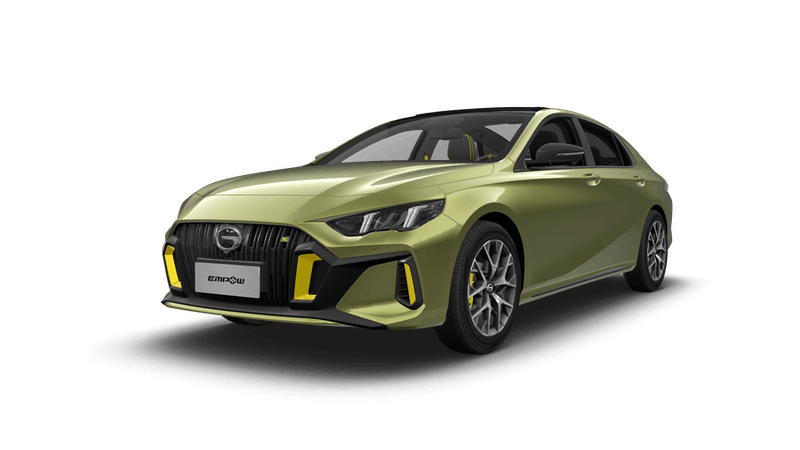
A comparative glance that actually helps
Choosing a car here means more than trusting glossy photos; you want practical answers. For many buyers I meet, the question is whether best GAC truly matches local needs—and whether it outperforms familiar names on price, service and day-to-day reliability. Walk the car districts of Addis Ababa and you’ll see why this comparison matters: urban traffic, rough roads at the edges, and fuel cost realities change what “right” actually means. I’ve advised drivers, mechanics and fleet buyers across East Africa for several years; that hands-on work shapes the advice below.
What to compare first — the handful of metrics that decide ownership happiness
Start with these measurable, local-first questions and keep the answers in the lead as you shop:- Total cost of ownership, not just sticker price: fuel, insurance, routine service and likely repairs.- Real-world fuel economy: ask owners, not only the brochure figures.- Local service network and parts availability: can local garages fix it without long delays?- Warranty terms and what they actually cover in-country.- Ride height and suspension durability for potholed secondary roads.- Resale patterns: which brands hold value in Ethiopian markets?- Feature-to-price balance: essential tech and safety features you won’t live without.Collect short, factual answers for each candidate before you compare models head-to-head.
How GAC compares, in practical terms
Think of GAC as a newer face with modern features and competitive pricing; established brands like Toyota and Hyundai bring widely known track records and broad service footprints. Consider these neutral comparisons when weighing options:- Reliability: Toyota is the conservative benchmark; GAC shows strong engineering intent but has a shorter local track record.- Value: GAC often offers more kit for the money—safety tech, infotainment—so you might get a better-equipped vehicle for the same budget.- After-sales: Toyota and Hyundai typically have deeper dealer and parts networks; confirm GAC’s local service options and spare-part delivery times where you live.Which brand suits you depends on priorities: if you prize predictable resale and the largest service network, lean toward legacy brands; if you want modern features and competitive pricing and can secure reliable local servicing, GAC becomes attractive.
Researching online—and what to verify in person
Online research saves time but don’t let it replace on-the-ground checks. Follow this sequence:- Gather spec sheets from official pages and local dealer listings.- Read owner threads in local social groups to learn common faults and real economy figures.- Confirm dealer warranty conditions and written servicing schedules before purchase.- Schedule a test drive on both smooth and rough local roads; listen for noises, feel the suspension, test starting in traffic.- Inspect underbody and wheel-arches for corrosion or patch repairs; Ethiopian climate and road salt (where used) matter.- Ask for a service history if buying used and have a trusted mechanic inspect the vehicle.Online checks narrow choices; the physical inspection decides the purchase.
Pitfalls buyers repeat—and how to dodge them
Buyers often make the same avoidable errors. Watch out for:- Trusting photos alone: images can hide wear, rust and accident repairs.- Skipping a proper test drive route: a short spin won’t reveal problems that show up on rougher stretches.- Ignoring spare-parts lead times: a month-long wait for a part is expensive when a vehicle is needed daily.- Assuming warranty equals easy fixes: read exclusions and where warranty work is performed.Avoid these by demanding transparent documentation, arranging a realistic test route, and confirming parts logistics in writing.
A compact checklist to bring on dealer visits
Keep this short list in your pocket:- VIN and full service history.- Recent photos of underbody and suspension.- Confirmation of exact warranty coverage and authorized service centers.- A clear price breakdown: taxes, registration, dealer fees.- A list of must-have features and absolute deal-breakers.Tick these before you sign anything; small gaps now create repeated headaches later.
Final thought that puts comparison to work
Comparing brands isn’t about picking the flashiest spec sheet; it’s about matching a vehicle’s real-world strengths to your daily routes, budget rhythm and local support options. When you measure value that way, practical differences emerge clearly—and you can choose with confidence knowing the car will behave where you live. For many Ethiopian buyers that balance points squarely toward measured, well-documented options such as GAC, provided you confirm local service and parts logistics before you commit.
