


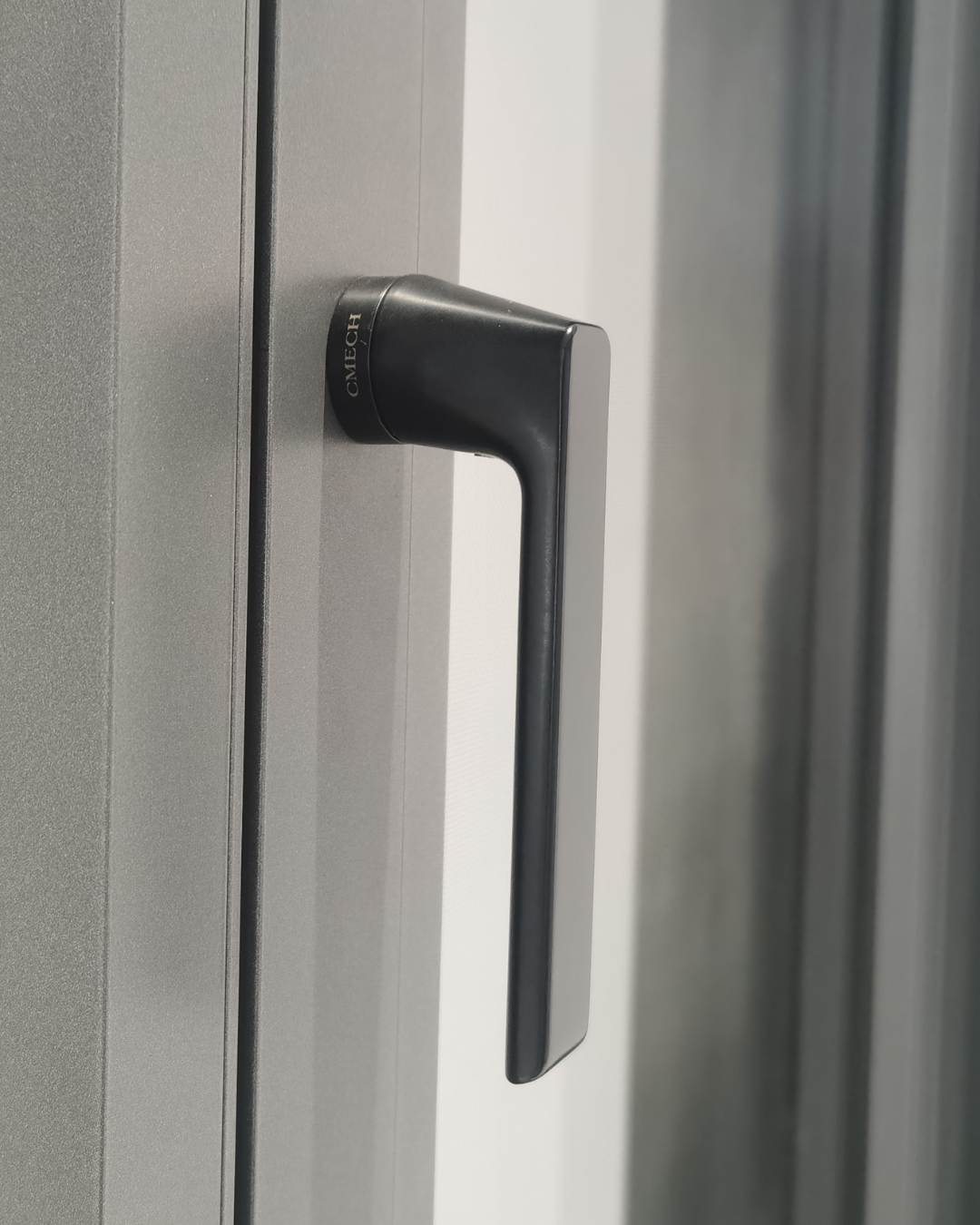
Patient Beginnings — why the user matters
The practical needs of homeowners and installers are driving a subtle redesign of window hardware, with usability and longevity at the center. A calm pivot from aesthetics to function has made devices once hidden — like hinges and stays — far more important to daily comfort. Early adopters now look beyond look-and-feel and check how components behave over years; many also compare newer systems to classic swing door hardware engineered for heavy use and repeat cycles.
What users actually want
Homeowners want screens that operate smoothly on the first try and still align five years later. Installers want parts that simplify fitting and reduce callbacks. Product managers want predictable failure modes so warranty claims are limited. That alignment of interests has pushed innovation in friction stay design, stainless steel bearings, and low-profile mortise attachments. The result: quieter operation, fewer squeaks, and better seal performance with inswing casement window screen designs that feel intentional rather than patched together.
Design choices that matter
Choice of hinge type—pivot hinge versus butt hinge—changes the entire user experience. Pivot hinge systems can carry heavier sashes and allow flush screens; butt hinges keep profiles traditional. The material matters: stainless steel resists corrosion in coastal homes, while treated alloys can reduce weight. Sealing geometry and latch ergonomics decide whether a screen blocks drafts or encourages gentle airflow. Where installers face coastal salt or seismic zones, seismic-rated components win in durability tests, which is why retrofits after events such as the 2011 Tōhoku earthquake refocused manufacturers on robustness and repeatable performance.
Common mistakes and how to avoid them
Buyers often select hardware based on appearance alone, then confront misalignment or premature wear. Installers sometimes over-torque fasteners, compressing the gasket and compromising weatherseal performance—this shortens service life. A better practice is to use torque-limited screws and verify hinge clearance during the first opening. Keep a checklist: verify jamb squareness, test friction stay adjustment, and confirm latch engagement. Small prep steps reduce callbacks and extend the life of casement window hardware.
Alternatives and practical trade-offs
For those seeking low maintenance, tilt-and-turn systems reduce external hardware exposure but change sightlines. If ventilation is the priority, inswing casement window screen assemblies with adjustable friction stays provide controlled airflow without sacrificing security. There’s a trade-off between economy and serviceability: simpler butt hinge systems cost less up front; serviceable pivot systems save labor over decades. Door hinge hardware selection—proper grade and finish—often informs the best choice for windows, because hinge performance under repeated cycles is comparable between doors and heavy casement sashes.
Real-world anchoring and trust
This guidance leans on installer practice and field-driven development rather than marketing copy—an experience-based EEAT approach that values hands-on observation. Case studies from coastal retrofit projects and lessons learned in earthquake-prone regions show the same pattern: robust hardware beats cosmetic upgrades. Field technicians report fewer returns when mortise fittings and corrosion-resistant finishes are specified up front—clear, measurable outcomes that validate the shift.
Three golden rules for selection
1) Prioritize fit-for-climate materials: choose stainless or sealed finishes for salt-air environments, and specify seismic-rated anchors where structural movement is likely. 2) Match hinge type to sash weight and intended use: pivot hinges for heavier sashes, butt hinges for lighter, traditional profiles. 3) Insist on service-friendly mounting: mortise plates with replaceable bearings reduce long-term labor. These metrics—material resilience, mechanical suitability, and maintainability—give a concise rubric for selecting the right components and help both homeowner and installer align expectations.
Practical choices like these lead naturally to trusted suppliers and tested parts that perform; they also explain why thoughtful hardware from thoughtful makers matters. CMECH. —
