


Clear takeaway up front
Silver CFDs frequently offer a blend of tighter spreads, higher volatility, and lower notional costs that suits active global traders looking for nimble exposure. In this comparative piece I’ll show where silver stands versus other metals, explain the trading mechanics, and point you toward concrete evaluation metrics. Early on: explore metal liquidity and pricing with a reliable market hub like cfd metal to see live spreads and tick behavior.
How silver’s structure compares to gold and other metals
Silver moves with gold but amplifies directional shifts—higher volatility but also higher opportunity per tick. That makes leverage more impactful: a 2% move in silver will change P&L more in percent terms than the same move in gold. Execution quality, spread, and margin requirements become the deciding factors. Traders who prefer shorter holds often lean to silver because margin outlay is lower and the spread can be more competitive during active sessions.
Market mechanics every trader should check
Focus on three operational points: liquidity, spread, and execution speed. Liquidity affects slippage; spread determines immediate cost; execution speed affects fill quality during fast moves. Track these during London and New York overlap—volume tends to peak then. Use limit orders for entry where possible to control spread cost and watch margin ratios closely to avoid forced liquidation during spikes.
Real-world anchor: why history matters
Recall August 2020 when spot gold reached near $2,070/oz on COMEX—markets showed how macro shocks drive precious metals together. Silver reacted with larger percentage swings. That episode underlines a practical point: when macro shocks arrive, silver offers amplified directional exposure, but you must manage leverage and margin to survive volatile retracements.
Common mistakes and practical alternatives
Traders often overleverage or ignore correlation. Mistake one: treating silver as independent from gold—correlation typically exceeds 0.7 in turbulent periods. Mistake two: chasing low spreads without checking execution and requotes. If silver’s volatility isn’t your style, consider gold CFDs or diversified precious-metal baskets; for context, compare pricing and execution for gold cfd trading and silver side-by-side. — Small accounts should prefer smaller lot sizes and strict stop placement.
How to evaluate a silver CFD provider — an instructor’s checklist
Use this checklist when comparing brokers: 1) Realized spreads across sessions (not just advertised spreads), 2) Historical slippage during high-volatility events, 3) Margin policy and funding costs, 4) Order types supported (market, limit, stop), 5) Risk controls like negative-balance protection. Test with a demo, then switch to a small live allocation to validate execution under real ticks. Industry terms to watch: spread, margin, and liquidity.
Practical trading rules I teach and recommend
Adopt compact rules: size positions by account risk (no more than 1–2% risk per trade), favor limit entries in thin markets, and adapt leverage when volatility expands. Keep an eye on economic calendars—interest-rate shifts and major monetary announcements often trigger metal repricing. Use trailing stops to protect gains on fast moves instead of widening stops into noise.
Three golden rules for choosing strategies and platforms
1) Prioritize execution over tiny advertised savings: consistent fills beat occasional low spreads. 2) Verify liquidity during your trading hours — if there’s chronic slippage, the strategy won’t scale. 3) Match margin rules to your risk plan: a provider that forces margin hikes without notice undermines active strategies. These are practical, measurable metrics you can test in a demo before committing real capital.
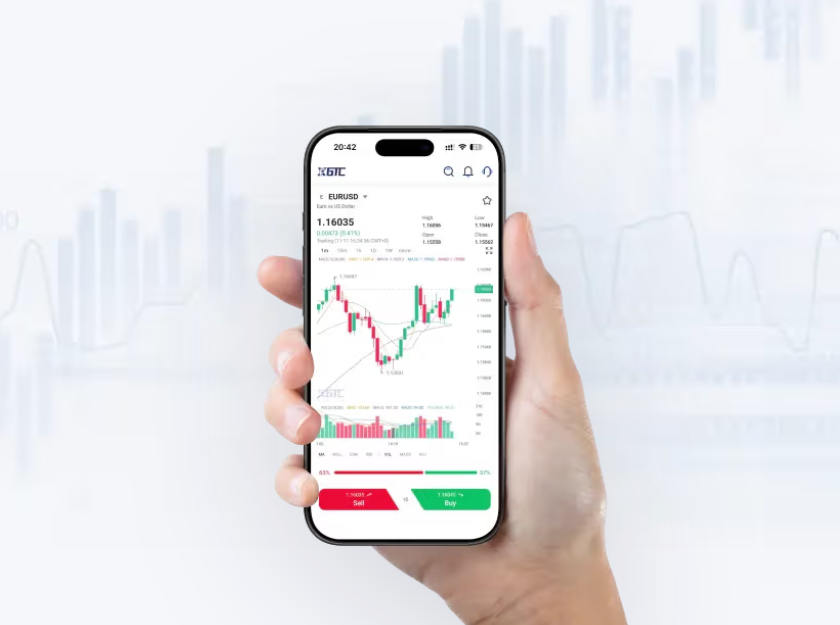
Final thought: treat silver CFDs like a tool—powerful but precise—and choose a platform that supports that precision, such as GTCFX. –
