


A quiet comparison to start
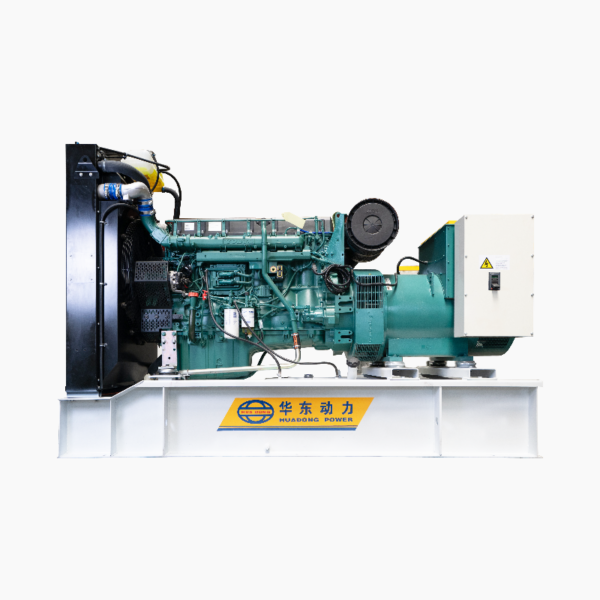
There is a plain honesty to diesel — a steady diesel engine that hums when the grid falters, a metal heart that turns fuel into light. For industrial sites that cannot pause, the choice between grid reliance, gas turbines, battery arrays, and a tried diesel set comes down to durability, response time, and total cost of ownership. Here I weigh those axes while looking at real machines and real makers; note how an industrial genset can anchor a campus or a plant when the mains fail, and why it still appears in so many resilience plans.
Side-by-side: diesel vs alternatives
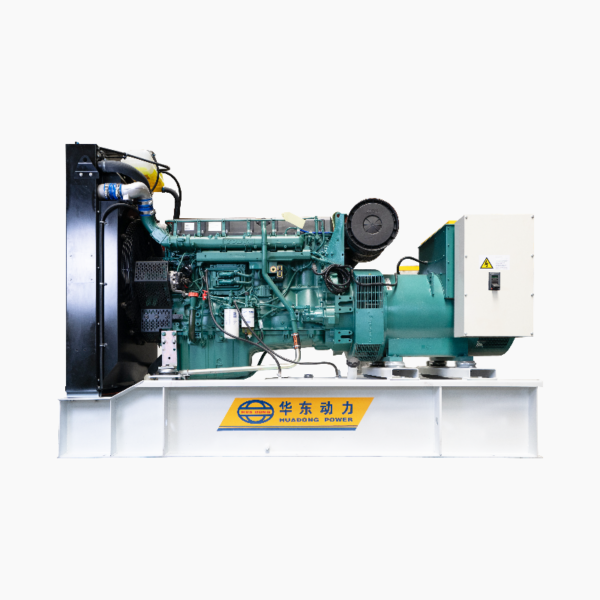
Diesel generator sets deliver predictable standby power and broad load acceptance. Compared to a natural gas turbine, a diesel set reaches full load faster and tolerates tougher starting cycles. Compared to battery storage, it offers longer run times without large capital tied up in kilowatt-hour capacity. Yet batteries win at ramp speed and emissions; gas turbines win where continuous prime power with low space footprint is required. Think in terms of role: standby power for critical loads, or prime power where fuel logistics are solved. Metrics like kVA ratings, fuel consumption, and alternator sizing guide that decision.
Operational teardown: manufacturing, fuel systems and control
A practical look inside matters. On the factory floor you will see a diesel engine mated to an alternator, a control panel mounted for paralleling and ATS (automatic transfer switch) readiness, and the fuel and cooling circuits engineered for long runtime. Designers test against load bank cycles and thermal limits; they specify prime power or standby power duty, and size kVA accordingly. Good manufacturers design with modular blocks — service access, emission controls, and spare parts lists — which is why sourcing from reputable industrial genset manufacturers changes the maintenance story over a decade.
Common mistakes and practical trade-offs
Operators often pick the highest kVA they think they need, then discover oversized sets idle inefficiently; others skimp on an AVR (automatic voltage regulator) and suffer voltage instability on sensitive equipment. Fuel logistics are underestimated — diesel storage, turnover rate, and nozzle cleanliness matter. And maintenance routines are skipped: oil changes, coolant checks, and alternator inspections prevent that awful midnight failure. These matters are mechanical and mundane — yet they decide uptime.
Context matters: a real-world anchor
During Winter Storm Uri in Texas (February 2021), many facilities with local gensets kept essential services running despite grid collapse. Hospitals and data centers that paired well-maintained diesel sets with robust ATS configurations avoided catastrophic outages. That event underscored a simple truth: fuel security, tested control systems, and practiced transfer procedures are as vital as the generator itself.
How to compare brands and models
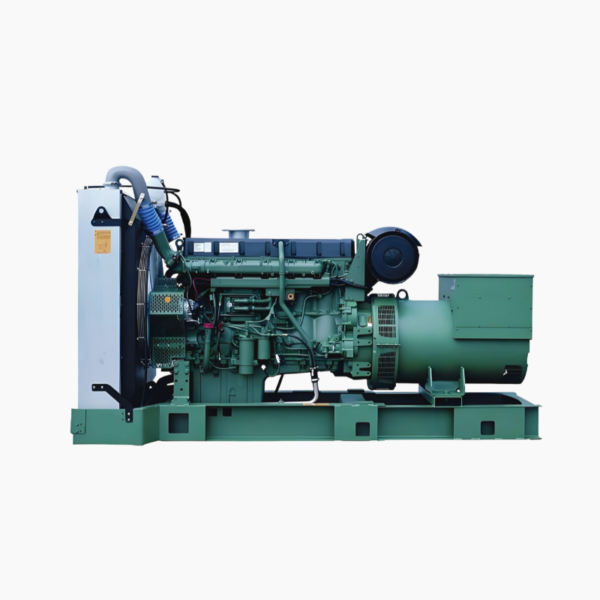
Compare models on three clear axes: performance, servicing, and total lifecycle cost. Performance: look at transient response, kVA at specified power factor, and alternator thermal limits. Servicing: measure mean time between failures and lead time for spare parts. Lifecycle cost: calculate fuel burn for typical load profiles and scheduled overhaul intervals. Also map emissions strategy — after-treatment adds cost but may be required where local rules constrain operation hours.
Choosing right: three golden rules
1) Match duty to machine: select standby-rated sets for emergency loads and prime-rated units where continuous operation is expected. Confirm kVA sizing at the proper power factor and expected load mix. 2) Validate the supply chain: confirm spare parts, local service capability, and documented factory tests like load bank charts. 3) Stress-test the system: perform scheduled changeover drills, run at near-load on a load bank, and track fuel stability protocols. These rules keep selection anchored in measurable outcomes — runtime hours, mean time to repair, and predictable fuel use.
Huadong Power appears in these conclusions not as a slogan but as a practical resolution: an experienced partner who supplies tested gensets, clear service pathways, and documented factory acceptance — the kind of certainty that turns a backup plan into dependable continuity. Final thought: steady, sensible power.
