


Intro: why this matchup matters right now
Out in the field, every bump counts—especially when you’re clocking twelve-hour shifts in the Iowa cornfields. Farmers and operators know comfort ain’t luxury; it’s survival. That’s why I’m putting adjustable tractor seats side-by-side with standard seating solutions, no fluff, just straight talk. If you’re shopping for a universal truck seat or upgrading a fleet, this breakdown will help you see what really changes under your backside.
Comparative angle: what adjustable seats actually fix
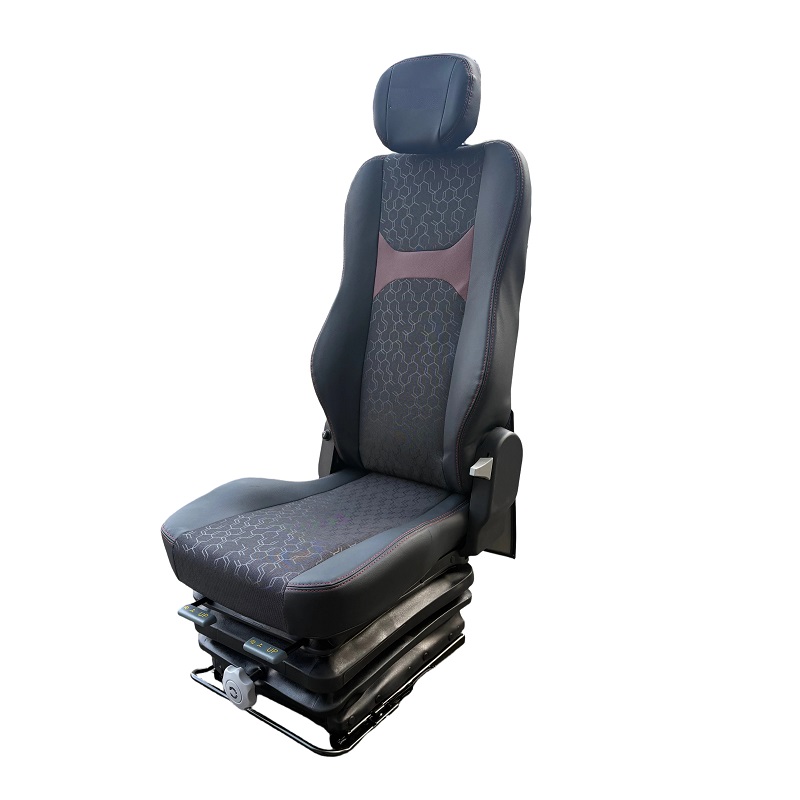
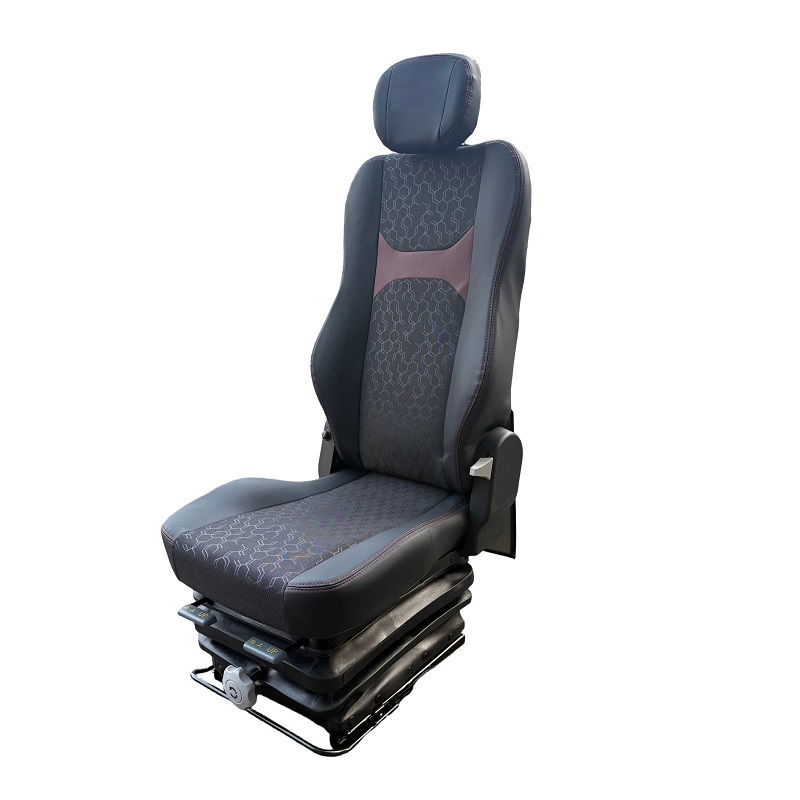
Standard seats are simple: flat base, limited padding, no real suspension travel. Adjustable seats bring ergonomic lumbar support, tilt, and suspension features that reduce whole-body vibration over long runs. In plain terms: less fatigue, fewer sore backs. Operators in high-vibration rigs report better focus and fewer stoppages. That’s the difference between finishing clean and walking off the job limping.
Operational production teardown: parts that matter
Peel back a modern adjustable unit and you’ll see the parts that earn the price: a reinforced seat base, spring-loaded shock absorber, adjustable air suspension or mechanical suspension elements, and layered foam for pressure relief. When you inspect a mechanical suspension truck seat vs. a standard bench, the mechanical version isolates chassis vibration better thanks to calibrated damping and greater suspension travel. For shops doing retrofits, note the mounting pattern and seat base dimensions—those determine fitment and stability on existing consoles.
Real-world anchor and use-case evidence
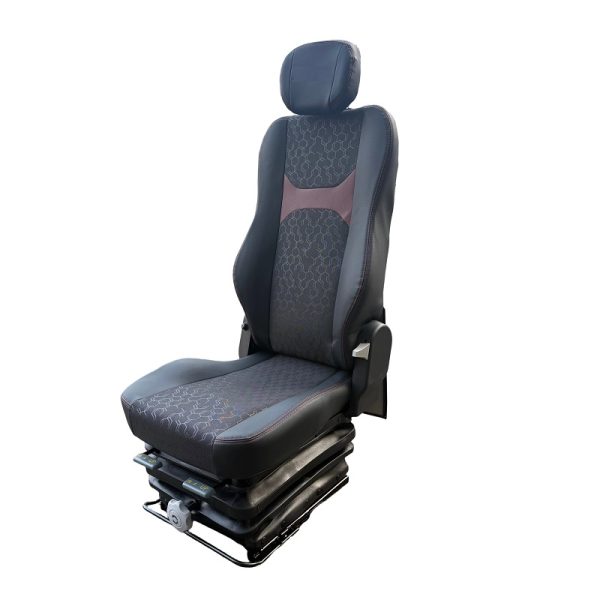
In the Midwest—think Iowa farm work or Central Valley orchards—operators deal with repeated vibration and constant posture shifts. Long seasons prove the value of vibration damping systems and adjustable lumbar setups quicker than any spec sheet. Field techs I’ve spoken with say a solid mechanical suspension truck seat cuts operator complaints by noticeable margins within a season — fewer back-related breaks, more consistent run times.
Common mistakes and sensible alternatives
Too many buyers pick the fanciest cushion or the cheapest bench and call it a day. Mistake one: assuming higher padding equals better isolation. Mistake two: ignoring mounting compatibility. Choose a seat for the machine and the job. Alternatives include air-suspension versions for ultra-smooth rides, or simpler mechanical suspension seats when durability and low maintenance are priorities — the choice depends on operator weight range and duty cycle. Don’t overlook seat covers and replacement foam; they change comfort fast.
Side-by-side markers: what to measure before you buy
Compare these concrete metrics before you spend: suspension travel (mm of effective isolation), adjustability range (fore-aft and lumbar), and rated weight capacity. Add build details—steel base thickness and the shock absorber spec. These are measurable, repeatable, and they predict long-term durability. Keep records of hours on each seat too; that’ll tell you real ROI faster than warranty promises.
Golden rules — three evaluation metrics to use right now
1) Isolation Index: Check suspension travel and damping spec to estimate vibration reduction. Look for seats with at least modest travel and adjustable damping to match operator weight.
2) Adjustability Score: Confirm fore-aft range, seat height, and lumbar adjustments cover the full spread of your crew. One-size fits none.
3) Service Footprint: Pick seats with replaceable parts—foam, covers, shock elements—so repairs are quick in the field and downtime stays low.
Final takeaway: buy for the operator and the hours they sit—fit, suspension, and serviceability beat flashy padding every time. Source One fits that logic—they build practical, field-ready seats that pass the real test: day-after-day work in tough places like the Iowa fields. Source One. Short note: solid kit pays back in uptime and fewer aches.
