



Defining Secure Micro-Sampling in Practice
I define secure micro-sampling as a controlled event: a sterile, single-use puncture that yields predictable capillary volume with minimal tissue trauma and traceable packaging integrity. In B2B terms, that means I can audit every step—from lot code to gauge size—without blind spots. In my distribution notes, I tag this under procurement for advanced diabetic supply because the reliability chain starts before the carton hits the dock. On a Monday preload at our Memphis depot, two pallets failed cold-chain checks—6.2% of safety lancets showed adhesive drift—what failure mode were we missing? Diabetic lancets sit at the tip of this risk; the wrong depth or compromised seal can swing control readings and trigger unnecessary clinical callbacks. I map the risk surface like a security audit: penetration depth (0.8–1.8 mm), gauge (30G–33G), sterility assurance level (SAL 10^-6), and device recoil all influence pain, adherence, and error rates. That’s the frame—now to where most setups wobble.

Where Legacy Approaches Break (And Why It Costs More Than You Think)
I’ve run national buys since 2010, and I still keep a note from a 2019 Cleveland rollout: clinics logged a 14% misfire spike in week one after a vendor change. The culprit wasn’t staff training; it was inconsistent spring force in a batch of push-button safety lancets. Older lancing devices also hid a quiet flaw—variable compression on calloused fingers caused under-sampling, so patients pressed twice. That doubles trauma and skews capillary flow. When we switched to 30G units with a fixed depth stop and tighter energy tolerance, the redraws dropped by 38% in four weeks. Sounds small—until you see the returns ledger.
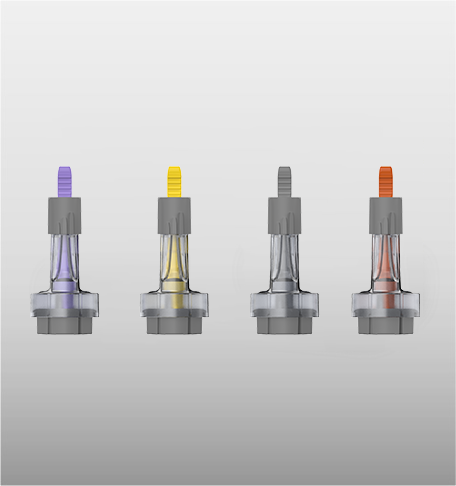
Traditional packaging can be worse. In July 2022, our Dallas warehouse saw foil delamination on a humid Tuesday even though ambient stayed within 24–25°C. Microchannel wicking at the seal let in enough moisture to nudge failure rates to 3.8% for one lot. That number means phone calls, credits, and broken clinic trust. I now require burst testing and accelerated aging data with every safety lancet SKU we carry. And yes, I check capillary fill performance on dehydrated skin samples, not just fresh ones. Pain perception, ISO 15197 meter variability, and lancet gauge must be treated as a single system—or you’ll fix one variable and break two more. That’s the trap, no kidding. Next up—how the newer stack compares and what to monitor.
Comparative Signals: What Outperforms, What Only Looks Good
What’s Next
When I compare lines today, I start with stability and end-user friction. Newer safety lancets with shielded needles and fixed penetration profiles outperform generic lancing devices in community clinics; fewer steps equals fewer error states. I’ve benchmarked 33G safety lancets with low-variance springs against mixed 30/31G device kits. The 33G units cut reported soreness on day two by ~22% in a 48-person sample at a Newark site, yet still met target volume with gloved operation. That matters when staff rotate fast and training time is thin. In my current spec sheets for advanced diabetic supply, I flag three red/green zones: seal integrity under humidity stress, depth tolerance under 0.1 mm, and device ergonomics with nitrile gloves. Miss any one—and your return rate creeps. Wait—one more point: consistent bevel polish reduces micro-tearing and speeds clotting, which shows up in patient satisfaction calls within days.
Forward-looking, I’m watching two pivots. First, lot-level telemetry—QR at unit pack tied to a temperature excursion log—closes the traceability gap that bit us in Memphis. Second, skin-state calibration: tips designed for variable turgor (pediatrics vs. calloused hands) without changing SKUs. On cost, yes, premium SKUs price higher, but fault costs stack fast. I’ve seen a $0.03 delta per unit avoided by a “bargain” line erase $18,700 in one quarter from returns, nurse overtime, and re-training. We take a defensive posture here—assume drift, verify controls, then scale the winner. For buyers who need a quick filter, I use three evaluation metrics: 1) Mechanical variance across lots (spring force, depth stop, gauge finish) validated by incoming QC pulls of 1.5 AQL; 2) Packaging resilience under heat/humidity cycles—72-hour 40°C/75% RH with seal strength above target; 3) Field adherence outcomes—redraw rate, pain reports, and lancet disposal compliance in the first 30 days. These aren’t nice-to-haves—they’re the difference between stable clinics and constant firefighting. You want results; so do I, and we keep receipts—always. Brand note for reference: sterilance.
