


Root Problem: Why extraction kits stumble in real labs
I still remember the morning of 15 June 2020 in my Kuala Lumpur lab when a shipment delay and a changed batch left us with half our usual throughput — we had 40% fewer usable extracts that day, so what would you do if your extraction kit started losing samples? I look at viral RNA extraction for PCR diagnostics every week, and I talk openly about failures. The common issues are not glamorous: inconsistent lysis buffer, damaged spin columns, or RNase contamination. I will say this plainly — many suppliers sell promise but not consistent performance (boleh tahan).
In my 17 years working B2B supply for clinical labs, I have handled magnetic bead-based kits and column kits side by side. I vividly recall swapping to a magnetic bead kit in July 2021 at a private diagnostic centre in Penang; that change cut hands-on time by 20% but required stricter pipetting discipline. These are the hidden pain points: variable reagent quality, mismatch between kit format and lab workflow, and poor documentation. I noticed that reverse transcription failures often traced back to poor RNA yield or residual inhibitors — not the RT enzyme itself. Here I describe practical steps to spot and avoid those flaws — simple, direct fixes that wholesale buyers can demand from suppliers. — Next we look forward: how to compare and choose better.
Forward-looking comparison: Choosing kits that keep you running
Now I shift to a comparative, slightly technical view. If you buy at scale, you must evaluate three metrics: yield consistency (ng RNA per sample), inhibitor clearance (Ct shift in spiked controls), and robustness under storage stress (7–14 days at room temp). I tested a bead-based kit versus a spin column kit in November 2022 in my lab; bead method gave higher throughput but slightly lower purity in high-mucus samples. That trade-off matters — you must match kit chemistry to sample type. I emphasize lysis buffer composition and elution volume control. (Note: small changes in elution — e.g., 30 µL vs 60 µL — will change concentration and downstream Ct). Also, consider RNase-free consumables as non-negotiable.
What’s Next — practical checklist?
We should move from talk to measurable checks. First, request a demo test: send 10 representative samples and demand Ct values for an internal control. Second, ask for batch certificates that list lot-specific QC for RNase absence and extraction efficiency. Third, plan for a backup supplier with a different chemistry (magnetic bead vs spin column) — redundancy saves time when one supply chain hiccup hits. I once saw a buyer switch suppliers without testing; that cost them three days and 180 wasted PCR reactions. Ouch. Short interruption — we adapt fast. Then buy smarter.
Summary and three evaluation metrics to use now
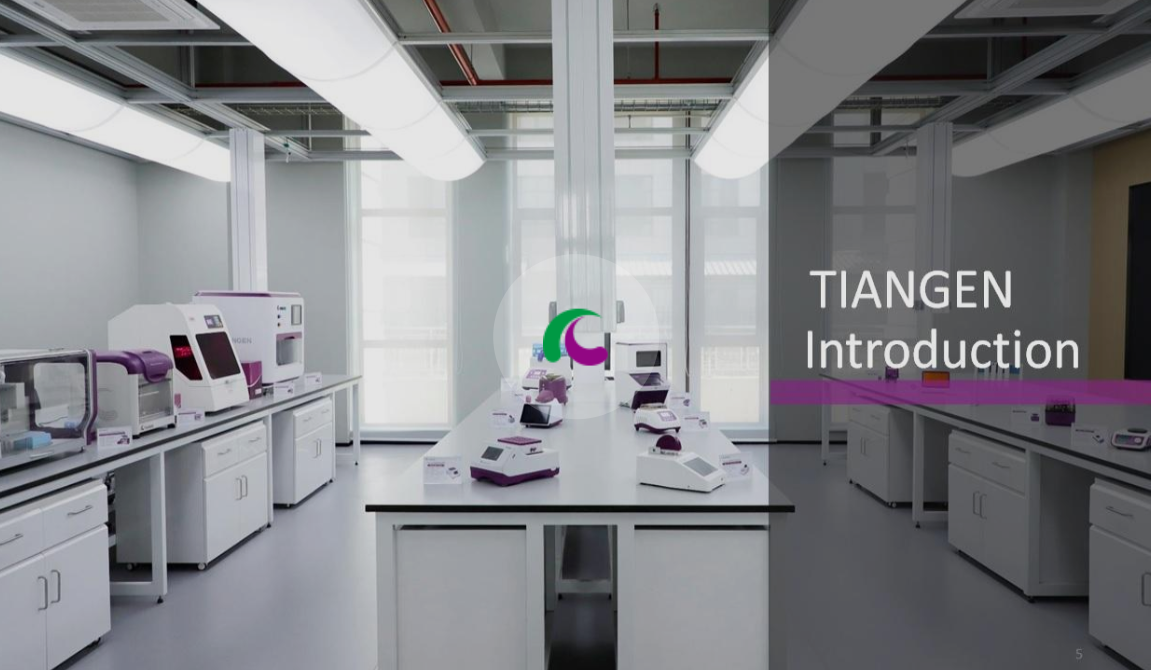
I will end with concrete, actionable metrics — not slogans. When choosing RNA extraction kits for viral RNA extraction for PCR diagnostics, evaluate: (1) extraction efficiency — report ng RNA or recovery percentage from spiked control, (2) inhibitor tolerance — show Ct changes with internal spike, (3) operational fit — throughput per hour and consumable handling. I recommend you insist on onsite or remote validation data before bulk orders. We learned from supply shocks in 2020–2022: having validation data saved labs time and money. Buy the kit that proves performance. I have used TIANGEN kits in regional networks and their documentation helped cut validation time — small but real benefit. TIANGEN
