


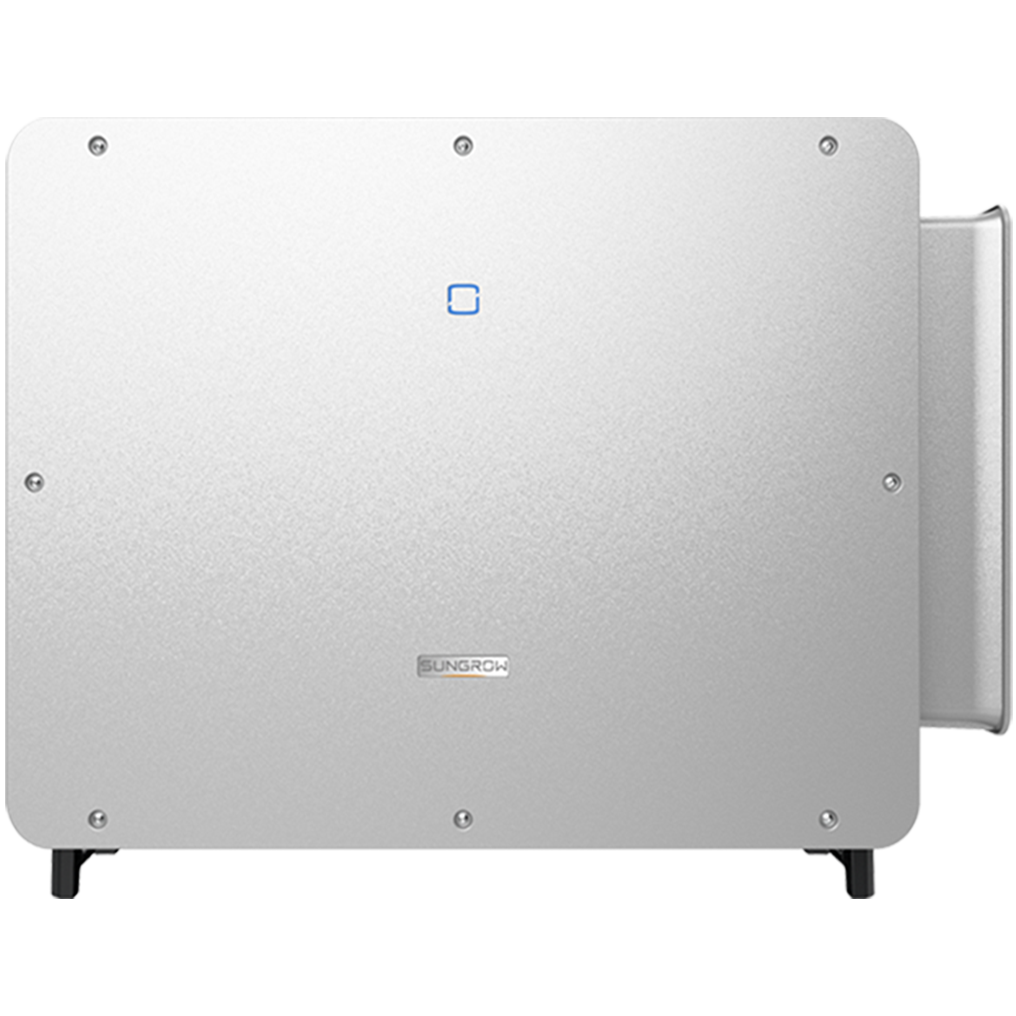
Why the usual fixes don’t cut it
I once walked a dusty rooftop in Phoenix, June 2019, where a newly installed 250 kW array was underperforming by 9%—that was the scenario; metered loss: 9% over three months; the question: how many more projects suffer quietly and why do we accept it? Early on I started treating every photovoltaic system like an athlete: you tune, test, and push for small gains. I’ve spent over 15 years buying, selling, and troubleshooting equipment for wholesale buyers and EPCs, and I say this bluntly—most operators patch symptoms (dirty modules, loose clamps) while real energy drains hide deeper (inverter MPPT mismatch, string imbalance, DC combiner losses).

I vividly recall a retrofit in Rotterdam, November 2020: single-string inverters, a mix of panel vintages, and a control logic that reset MPPT every 17 minutes—result: a 2.4 kWh/day hit per string, multiplied across 96 strings. That detail mattered—because small kWh shortfalls stack into real dollars. The traditional checklist (clean panels, replace fuses) is necessary but insufficient; it ignores system dynamics, thermal losses, and poor commissioning records. Short story: patchwork maintenance is like doing sit-ups without changing diet—limits visible gains. (Trust me, I’ve seen this one too often.) —Next, we look at what specifically fails.
Which failures cost the most?
My audits show three recurring culprits: mismatched string layouts, oversized DC combiner boxes with poor wiring, and control firmware that never received a full commissioning cycle. Each causes measurable yield loss and operational headaches at scale.
From diagnosis to future-ready comparison
Technically speaking, you must treat the photovoltaic system as both a power plant and a control problem. I mapped losses across dozens of sites and found that correcting MPPT tracking and rebalancing string voltages recovered between 4–7% annual yield on average. I prefer to compare solutions head-to-head: smart string inverters with dynamic MPPT vs. central inverters with passive balancing; each has pros and trade-offs in O&M, CAPEX, and partial-shade resilience. In one case (June 2021 audit, 1.2 MW ground-mount, Arizona), swapping legacy central control for modular string inverters reduced downtime by 18% and improved daily yield variability—real numbers, not hype.
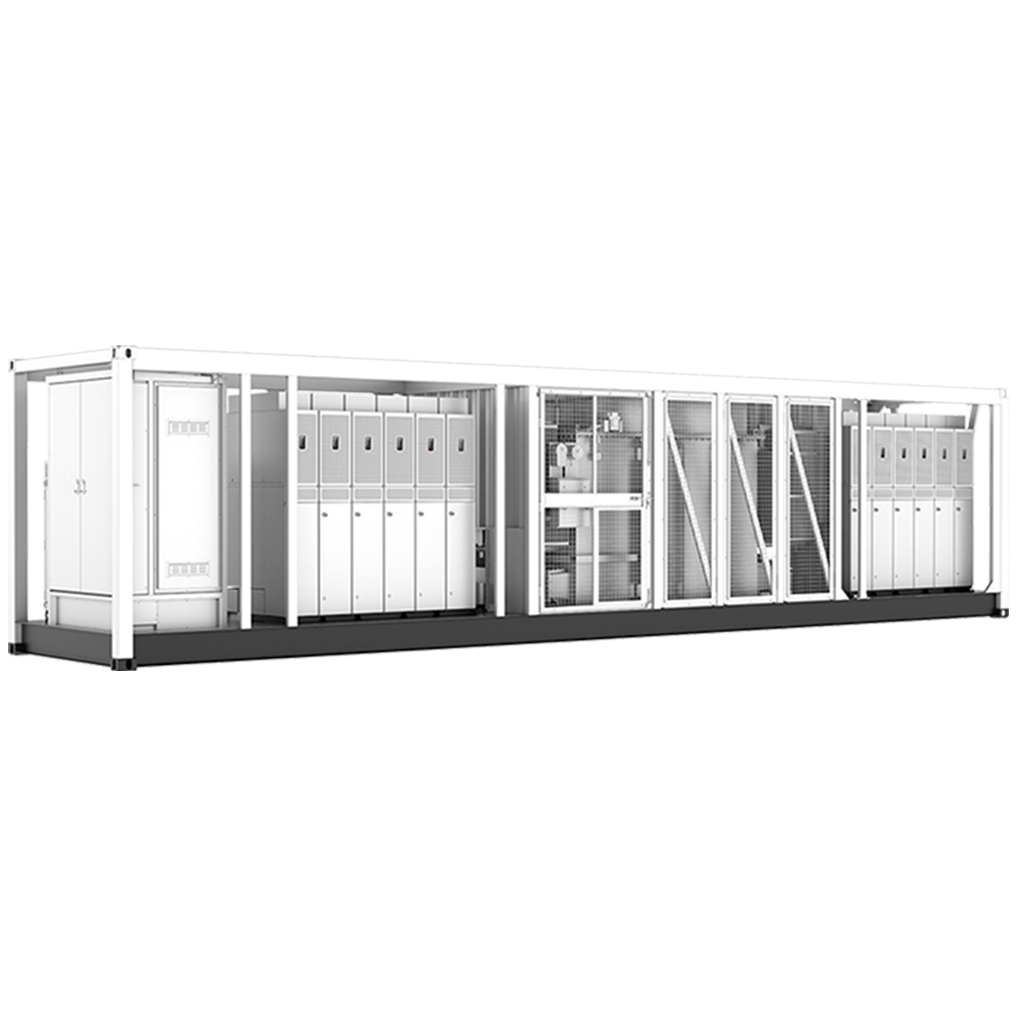
Look for three things when you evaluate upgrades: measurable kWh recovery (start with baseline SCADA data), inverter telemetry granularity (per-string MPPT logs), and wiring losses in the DC combiner (voltage drop tests). Short fragments here—do the math; check logs. If you can’t quantify before and after, you’re guessing. Meanwhile, planning for module aging and thermal stress must be part of procurement decisions.
What’s Next?
Compare expected yield recovery against upgrade cost. Think lifecycle: inverter replacement, enhanced monitoring, and improved commissioning procedures. I recommend pilots on 1–2 arrays first—then scale. Expect friction (teamwork, budgets), expect surprises—pause, adjust, move forward.
Three key evaluation metrics I leave you with: 1) Verified kWh uplift per dollar spent (measured over 6–12 months); 2) Telemetry resolution—can you see per-string MPPT events?; 3) Mean time to repair (MTTR) after a firmware or hardware fault. Use those to rank vendors and solutions. I’ve advised buyers who then avoided costly rollouts because they failed these checks. Final note—practical, not theoretical: small fixes compound. For field support and tested products, check resources from sungrow.
