


Where the Old Model Breaks
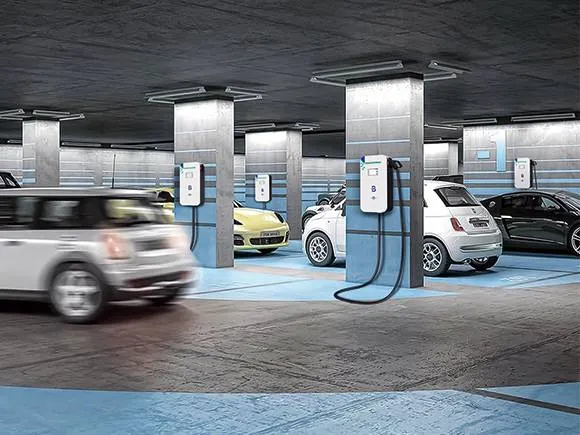
The old playbook for powering fleets is cracking under real pressure. EV fleet charging sits at the center of that strain, as routes tighten and delivery windows shrink. Picture a depot at 4:30 a.m., sixty vans, two DC cabinets, and a wall of blinking LEDs. Peak tariffs are up, grid caps stay fixed, and dispatch times creep later by minutes that feel like hours. Many teams now search for EV charge solutions for fleets that do more than feed sockets. They need orchestration. They need proof. The data tells a hard story: unmanaged sites can waste 20% of available dwell time, while charger faults ripple across a whole shift. Load balancing, without context, becomes guesswork; demand response, without forecasting, is theater. So ask yourself: are your queues a power issue, or a planning issue (or both)? Look, it’s simpler than you think—and harder where it matters.

What’s the hidden friction?
Traditional setups chase amps, not outcomes. They focus on adding plugs, not on aligning state-of-charge with route priority. They treat chargers as islands, rather than nodes. Without health checks on power converters, a single fault stalls a lane. Without granular schedules, vans charge when the grid is most expensive—funny how that works, right? Sites rarely model feeder capacity against rain, cold starts, or shift swaps. And the software layer? Often thin. No live view of bottlenecks. No predictive hold for late-return units. No cross-talk with dispatch tools. The result is delay masked as routine. The deeper fix is not only hardware; it is a workflow that binds vehicles, chargers, and the grid into one plan. That is the turn we make next—toward a clearer comparison and a sharper path.

From Patchwork to Platform: What’s Next
What’s Next
The pivot is from equipment-first to system-first. Modern sites lean on new technology principles that sync power, time, and risk. Think protocol-native control via OCPP 2.x. Think vehicles that authenticate with ISO 15118 and plug-and-charge. Think edge computing nodes that run local schedules when networks drop. In mature EV charging fleet solutions, the scheduler predicts energy needs from route length and weather, then applies peak shaving while protecting departure times. Smart meters feed real-time tariffs; chargers modulate kW per stall; vehicles with V2G can buffer the site during spikes (within policy). It is a comparative gain: fewer cables, better uptime, fewer surprises. Old models scaled by adding steel; new models scale by learning patterns—and by proving outcomes in dashboards you can trust. The funny part is that the best systems feel calm during chaos—because they planned for it.
So how do you choose with confidence, not hope? Use three evaluation metrics that cut through slides and slogans. First, operational uptime with a real SLA: charger MTBF, ticket resolution time, and rollback playbooks for firmware updates. Second, cost per mile including demand charges: site modeling that ties energy, dwell, and route priority into one forecast you can audit. Third, interoperability depth: native OCPP, ISO 15118 readiness, and secure identity from vehicle to charger to cloud. If a vendor cannot show logs at each hop, you will pay for that silence later. In short, compare not only features, but the math and the margins behind them—then pilot on a tough week, not an easy one. Tomorrow’s fleets will run on foresight stitched into power flow. And the brands that help you see around corners will earn your trust, one calm morning at a time, like EVB.
