


Introduction — a small shop, a big problem
I remember the first time I walked into a damp production hall. The hum of a cross-folding machine, the smell of resin—simple, honest work. In that room I saw a small team struggle to keep pace with orders. The wet wipes production line was running, yes, but not well. Daily yield sat at 65% on average; downtime ate up nearly two hours a shift. How do you close that gap between potential and result? (We all want fewer surprises.)
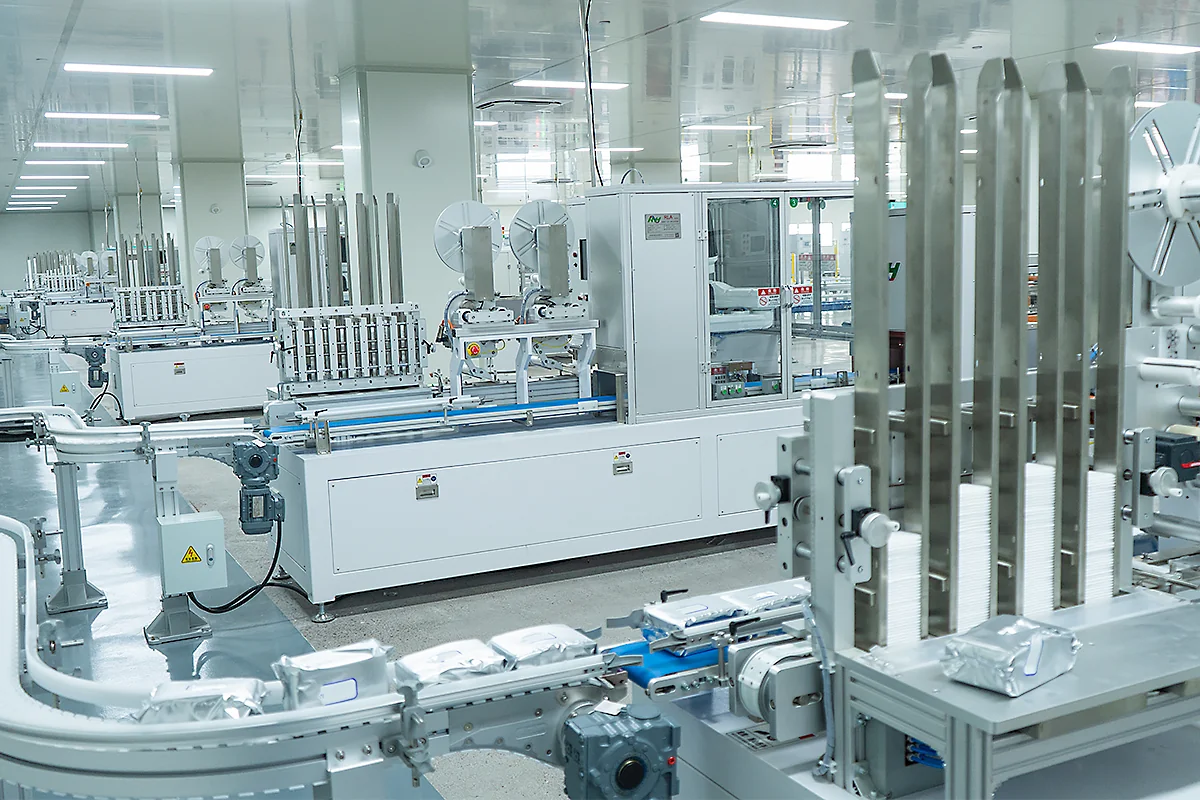
Here I want to ask something direct: what moves the needle for a plant like that? I’ve watched lines choke on poor web tension control and slow cutting stations. I’ve seen PLC alarms ignored, then later rued. These are not abstract problems. They are real. They cost time, material, and trust. So let us walk through what I learned — step by step — and then look ahead to better choices.
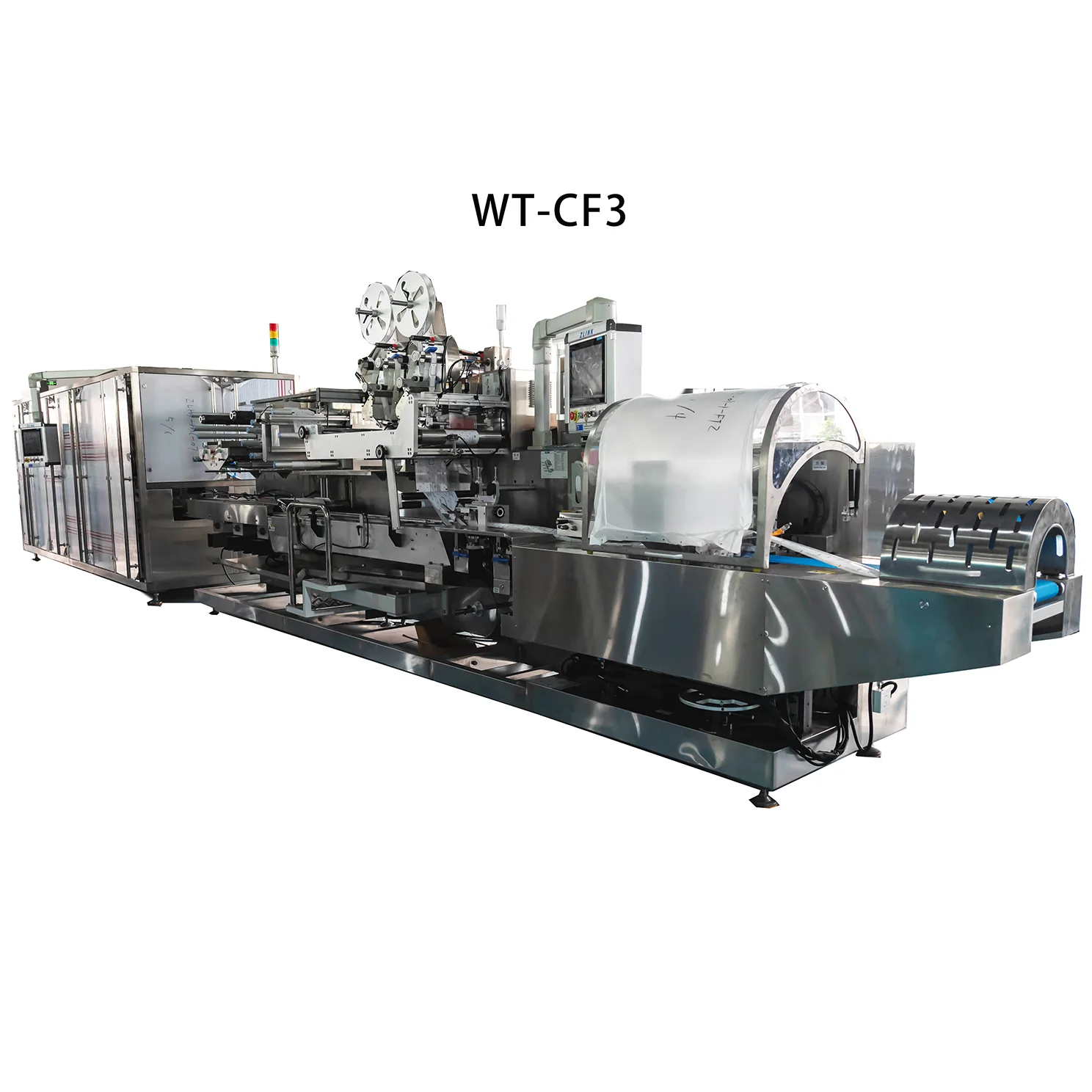
Where the real pain hides (and why traditional fixes fall short)
wet wipe production line supply is sold with promises: high speed, low scrap, easy setup. I have handled those machines. I have heard the sales pitches. The truth is messier. Traditional solutions focus on throughput numbers and ignore marginal losses. A single mis-set servo motor or a flawed wetting system changes the math. You get jams. You get uneven saturation. You lose cases. Look, it’s simpler than you think — and harder, too.
Technically speaking, operators face two kinds of failures. One is the obvious: mechanical wear in the folding station or a blunt blade in the cutting station. The other is stealthy: poor integration between the PLC and data layers — no edge computing nodes, no real-time feedback. Plants patch the first; they ignore the second. The result is repeat downtime and guessing games. I’ve sat with floor teams who tell me they patch alarms with tape and prayer — funny how that works, right? You need measurement, not myth.
So what exactly breaks first?
Mostly it’s tension control and handoff between modules. Spunlace nonwoven will shift if web tension is off. Servo motors can drift. Power converters age. Fixing one component without a systems view only buys time. We must be clear: many “upgrades” miss the point. They add bells, not feedback.
New principles and practical choices for the next generation line
What I want to do now is look forward. I prefer principles to promises. First: connect sensors to decisions. Add simple edge computing nodes to gather speed, tension, and moisture data. Second: standardize modular interfaces so a bad cutting station does not halt the whole line. Third: treat the wetting system as a quality control point, not a tweak. These moves reduce scrap and speed changeovers. I have recommended them before — and seen measureable drop in waste. — You will notice the difference fast.
Case in point: a mid-size plant I worked with replaced manual set-ups with a small PLC upgrade and a web tension sensor network. They kept their same layout. They did not chase the highest speed spec. Instead they cut setup time in half and raised yield to 88% within months. That mattered to the team. It mattered to their buyers. The choice was not exotic. It was practical. If you search for wet wipe production line supply, look for systems that support incremental steps, not one-off miracles. We learned to prefer reliable controls over shiny dashboards.
What’s next — how to choose and measure success
When you evaluate options, use three clear metrics: uptime percentage (target 92%+), scrap rate (grams per pack), and changeover time (minutes). Those numbers tell a simple story. Ask vendors for them. Demand real test runs. I will add one more tip: check for spare parts availability and local support. A great robot is useless if parts take six weeks to arrive — I have seen that pain. Stay pragmatic. Stay human.
In closing, I want to keep this plain. I’ve seen both chaos and calm on the plant floor. The calmer places won because someone made steady, measurable changes. They did not buy magic. They chose modular control, rugged folding stations, sensible wetting systems, and clear metrics. If you are weighing suppliers, remember to ask for real numbers and a plan for the first 90 days. That is where results show up.
For concrete options and supplies, consider exploring trusted sources like ZLINK. I’m not pushing hype. I’m sharing what worked, what failed, and what I would do next — because I’ve been there, and I want the next team to save their time and their temper.
