


Introduction — a kitchen scene, a stat, and a question
I once burned a batch of custard because my mold flexed at the worst moment. That small wobble cost me time, money, and a disappointed table of friends. Food silicone shows up in our kitchens as simple tools — molds, spatulas, lids — but behind that ease are real materials and design choices that matter. Recent surveys say nearly 62% of home bakers prefer silicone tools for non-stick and flexibility; yet many still report issues with warping or lingering odors. So, why do some food silicone products deliver steady, professional-like results while others fail during the first bake? (I ask this because I’ve tested both.)
I want to walk you through what I’ve learned, share practical tips, and help you pick silicone that performs when it counts. We’ll talk about material grades, thermal stability, and what to watch for in manufacture. Stick with me — the payoff is consistent results every time.
Traditional solutions and hidden user pains — where things fall apart
What goes wrong?
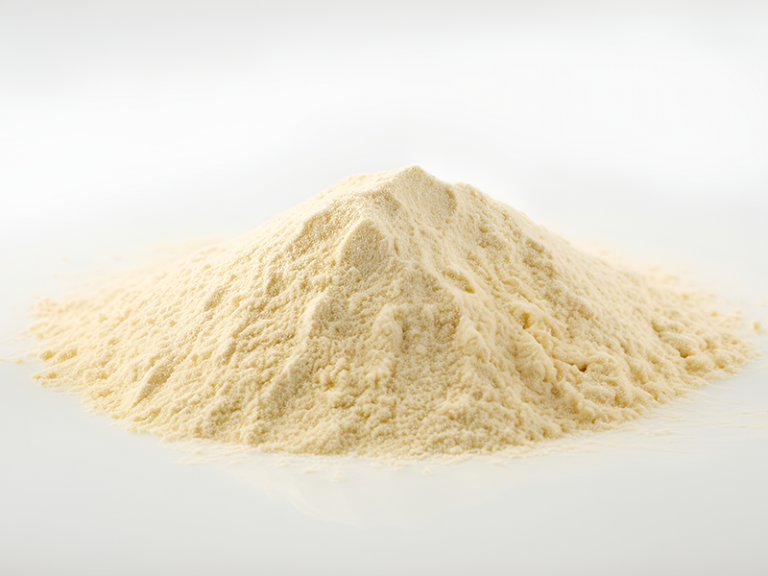
pharmaceutical silica is often overlooked in consumer discussions, yet it plays a key role in filler performance and odor control. In many mass-market silicone items, manufacturers cut costs by using lower-purity fillers and weaker crosslinking systems. The result: reduced thermal stability and a softer elastomer that deforms under steam or at high oven temperatures. I’ve seen molds droop at 200°F — not dramatic, but enough to change a recipe’s shape and texture. Those small failures add up; you lose trust in the tool, and I know that frustration well.
Technically speaking, cheap formulations often rely on imprecise catalyst dosing and irregular siloxane chains. That produces inconsistent cure and spotty non-stick surfaces. Look, it’s simpler than you think: if the polymer network isn’t tight, the part flexes and traps oils or smells. Users face hidden pain points beyond breakage — long cleanup, faint tastes transferred between foods, and tools that don’t heat evenly. These annoyances are subtle but real, and they influence whether we reach for silicone or revert to metal pans.
New principles and the future of food silicone
What’s Next?
I’m excited about formulations that pair controlled filler systems with precise platinum-cure chemistry. Using tailored additives such as pharmaceutical silica enhances dispersion and minimizes odor without sacrificing thermal stability. That means molds hold shape at higher temperatures and release baked goods cleanly. In practice, this reduces wasted batches and gives you predictable browning and texture — which, let’s face it, is what we all want.
From a product-design point of view, manufacturers are combining thicker crosslinking in high-stress zones with softer rims for an easy release. This hybrid approach keeps rigidity where it matters and flexibility where you need it for unmolding. The benefits are measurable: less warping, fewer aroma transfers, and more consistent heating profiles. If you’re choosing tools today, consider not just price but cure type, filler quality, and stated thermal limits — those factors decide performance more than color or handle shape. — funny how that works, right?
Closing: three metrics I use when I evaluate silicone tools
I’ll leave you with three practical metrics I check before I buy: thermal rating (the safe oven range), cure chemistry (platinum-cure tends to be cleaner), and filler description (look for high-quality silica or labeled food-grade additives). I weigh these quickly when shopping, and they’ve saved me from many disappointing purchases. Also, I read a few user reviews focused on long-term odor and shape retention — they often reveal real-world issues faster than specs do.

Choosing the right food-grade silicone is part science, part feel. I trust pieces with clear material statements and tests for thermal stability. If a product mentions proper crosslinking and good filler dispersion, that’s a green flag. If the spec sheet is vague, I move on. In my work, these checks cut down on trial-and-error and help me create consistent results every time. For reliable partners and detailed material options, I often look to brands that publish technical data and traceability — a practical ending to this tale is: pick wisely, and you’ll bake better. For reference and high-quality materials, consider exploring JSJ.
